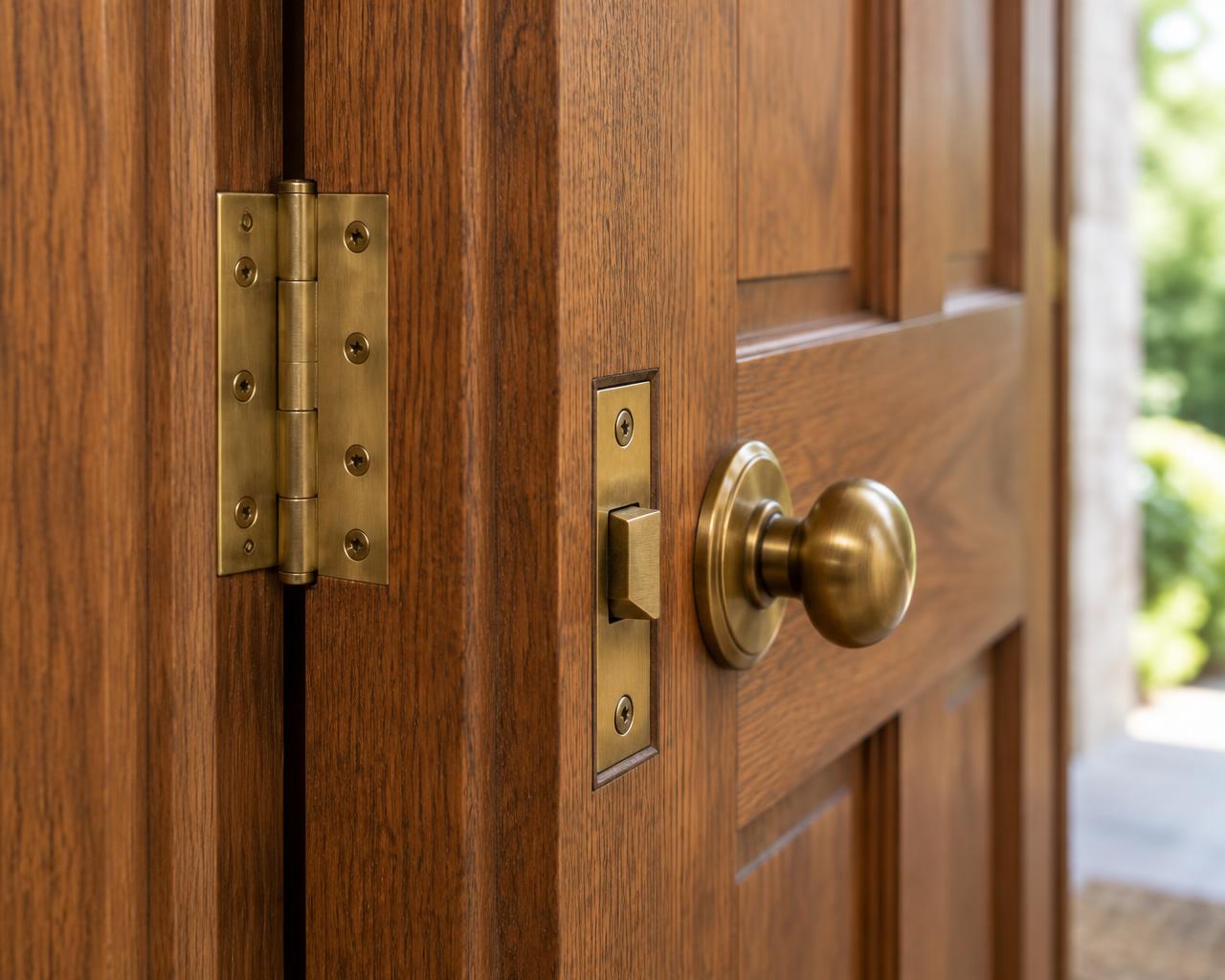

French-Manitoban rural doorways and sheltered approaches
Ste. Geneviève is a rural French-Manitoban settlement south-east of Winnipeg. A household entrance, acreage workshop door and interior passage each need their own assessment; the rural setting alone does not tell us which component has failed.
At a Ste. Geneviève property, tell DoorMend whether trees shelter the opening or whether it faces open ground. Bush debris can obstruct a track, while an exposed storm door may take wind loads that its closer or mounting screws cannot manage.
Manitoba humidity swings can change the fit of timber doors and trim, while cold weather can reveal gaps that were less noticeable in summer. During -30 C winters, frost around the inside edge may involve both indoor moisture and cold surfaces. It does not automatically mean the entire door has failed. Note whether the symptom follows a weather change, happens every day or started suddenly after an impact.
Different building vintages can mean different hinge preparations, threshold profiles and replacement parts. A newer subdivision home should not automatically receive a different diagnosis from an older rural house: both need an examination of the opening. On acreage outbuildings, explain whether the space is heated, what the door protects and whether keeping out weather or maintaining indoor comfort is the main concern. Those details help avoid recommending a household-style solution for a storage opening.
Finding the cause before trimming a Ste. Geneviève door
A useful assessment follows the door through its full movement. The hinge side, latch edge, head clearance and threshold are checked together rather than treated as unrelated complaints. Loose fixings, worn hinge knuckles, a twisted slab and an out-of-square opening can all produce rubbing, but they call for different repairs. Tell DoorMend whether you need to lift the handle, push against the seal or pull the slab upward before the latch catches.
A sticking door in winter should not immediately be cut down. Material removed during a tight season cannot simply be put back when the fit changes. Door adjustment may involve correcting hinge support, checking the relationship between the slab and stops, or aligning the strike after the door hangs properly. If the frame is moving or the timber is unsound, repeated small adjustments can conceal a larger problem without solving it.
If a door won't latch or lock, distinguish the spring latch from the deadbolt when describing the fault. A lock that works with the door open but binds when closed may be meeting resistance at the strike, although that observation is not a complete diagnosis. Avoid forcing the key or enlarging the strike opening without understanding why the alignment changed. The guide “Door Won't Latch or Lock? Diagnosing Hinges, Strikes and Hardware” explains the relationship between these parts.
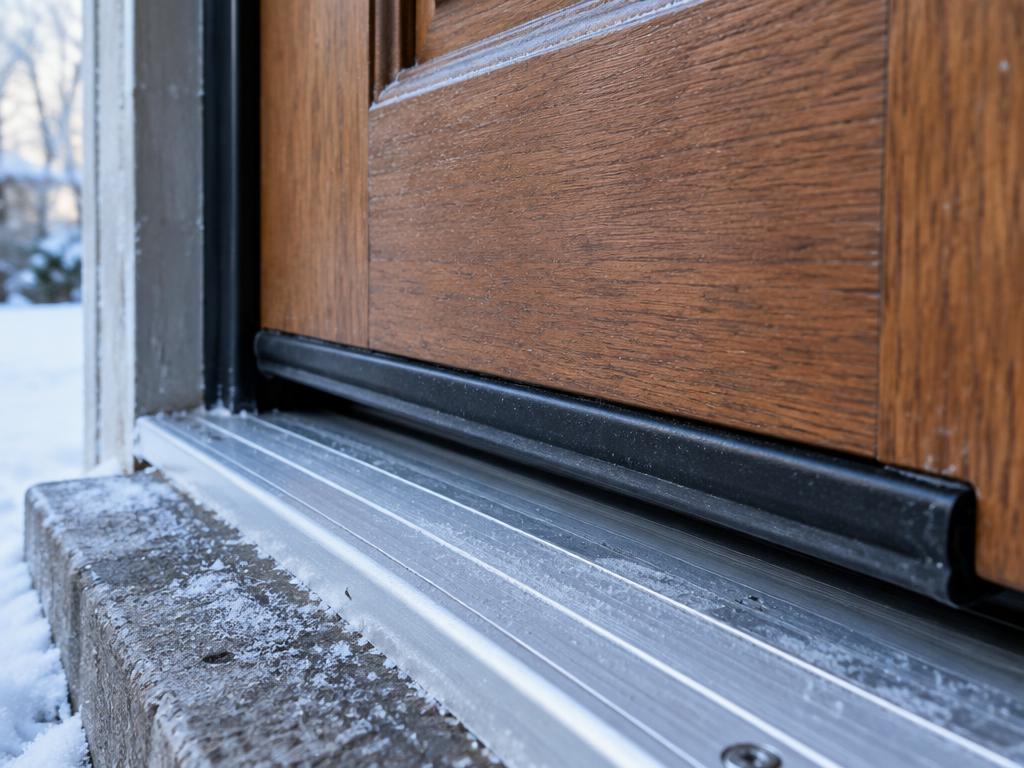
Seal contact and thaw-season moisture in Ste. Geneviève
For a drafty door weatherstripping is only part of the picture. A new compression seal cannot compensate for a badly hanging slab, a loose threshold or an opening beneath the frame. Check where the draught is noticeable and whether it changes with wind direction. Daylight at a corner, a flattened seal along the latch edge and a torn bottom sweep describe different gaps, and each deserves its own inspection.
Spring thaws and summer storms make it worth looking at where water reaches the sill. Damp trim, soft timber or staining should be described rather than covered with another bead of sealant. The assessment needs to distinguish worn door components from water entering through an adjacent building detail. Repairing a door does not by itself correct grading, roofing or broader drainage problems, and those issues may need separate attention.
The guide “Drafty Door? How Weatherstripping and Thresholds Fail” can help you describe poor seal contact before making an enquiry. Avoid packing extra material against a door until it becomes difficult to latch. The aim is consistent contact with a seal that suits the profile, not the thickest possible strip. Keep drainage paths open and use cleaning methods appropriate to the frame finish; aggressive scraping can damage a surface that was still serviceable.
Frames, slabs and replacement decisions for Ste. Geneviève
When discussing door frame repair Ste. Geneviève homeowners can help by identifying whether damage is at a hinge, strike, sill or decorative casing. Loose trim is not the same as a split structural fixing area. Photographs should show the full opening and close details of the damaged area, without removing sound finishes or exposing concealed materials just to obtain a picture. Soft or crumbling timber needs investigation before new hardware is attached.
Repair may be sensible when the slab is sound, the frame holds fixings and suitable parts remain available. Replacement becomes more relevant where decay affects several components, the slab is badly distorted or compatible hardware cannot be sourced. Cosmetic wear alone does not establish that a complete assembly is needed. Conversely, repeatedly patching an unsound latch jamb may not restore a dependable fixing point for the lock hardware.
Pre-hung door installation replaces the slab and its supplied frame as an assembly, but still requires attention to the surrounding opening, support and weather details. Exterior door replacement should account for swing, sill condition, trim and compatible lock preparation. Interior door replacement may retain a sound frame, yet the new slab still needs the right thickness, clearances and hinge locations. Discuss finish colour, painting responsibilities and disposal before agreeing to work so that the proposed scope is understandable.
Patio, screen and inside-door faults around Ste. Geneviève
For a sliding patio door hard to open, describe whether the panel drags throughout its travel or catches at one point. Loose grit can be removed from an accessible track, but a worn roller, damaged running surface or distorted frame needs a different response. Avoid forcing a heavy glazed panel or lifting it out alone. Glass replacement and specialised glazing work depend on capability and may require a separate specialist.
A torn screen or storm door can involve mesh, hinges, a bent frame or the closer attachment. Replacing mesh will not straighten a damaged frame, and turning a closer adjustment screw will not repair a pulled-out mounting bracket. Wind can catch a light storm door, particularly at an open approach. Keep hands away from pinch points and do not rely on a damaged closer to hold an unstable door in position.
For a closet bifold door off track, identify whether a pivot has come loose, a guide is broken or the panel itself is split. Avoid repeatedly pushing a loose panel back into place if it could fall. Interior passage doors also deserve a check for hinge support and clearance over flooring. The guide “Closet, Bifold or Pocket Door Off Its Track?” explains why an accessible guide repair differs from work on a track concealed inside a pocket wall.
Commercial closers and garage safety in Ste. Geneviève
A storefront door not closing needs more than a stronger push from its closer. Dragging at the threshold, worn pivots, damaged seals and pressure differences can interfere with closing. Describe whether the leaf slams, stops before the latch or drifts open again. Door closer repair starts with identifying the closer and checking its mounting and condition; a leaking or damaged unit may not be a suitable candidate for adjustment.
Commercial exit hardware, powered doors and access controls require particular knowledge and compatible components. DoorMend needs to confirm capability before agreeing to that work. Do not disable a closer, wedge an exit shut or alter panic hardware to conceal a fault. Explain the building use and whether the affected opening is an exit so the enquiry can be considered with its safety implications, rather than treated as a routine household latch adjustment.
For a garage door noisy or uneven, stop using it if a panel hangs crooked, a cable appears loose or the door behaves unpredictably. Keep people clear and do not adjust springs, cables or bottom brackets. These components can store dangerous force even when the door looks stationary. The guide “Noisy or Uneven Garage Door? What It Could Mean” describes warning signs, but it is not a repair procedure. Spring and powered-door work depends on specialist capability and may need another provider.
Scope, pricing and arranging a Ste. Geneviève assessment
Price varies with materials, hardware, frame condition and accessibility, not just the name of the symptom. Replacing an accessible hinge is a different scope from repairing its damaged support. Unusual parts, heavy slabs, trim removal and restricted working room can affect the labour and materials needed. Any price range shown on the site is a typical market range, not a DoorMend quote. A job-specific proposal needs the condition and intended work to be understood first.
When enquiring, describe the opening, building use, material if known, symptoms and whether it currently locks. Include clear photographs of the whole door, hinges, latch edge, threshold and visible damage. Mention stairs, tight porches, stored items or other access constraints that could affect handling. State whether the door is the only usable entrance and whether a temporary security concern is involved. This is more useful than trying to diagnose a particular replacement part from a short online description.
An enquiry is not a booking. Availability, assessment arrangements, parts and the scope of work need confirmation; no particular response window or round-the-clock attendance is promised. For emergency door securing after a break-in, contact police if there is immediate danger and avoid disturbing evidence unnecessarily. Describe whether the slab, jamb or lock area is damaged. Temporary securing and a durable repair are different tasks, and DoorMend must confirm whether the requested work and timing can be accommodated.
Door services we can discuss in Ste. Geneviève
Pick the closest match, or describe the door and we'll point you at the right page.
- Residential Door Repair
- Commercial Door Repair
- Entry & Exterior Door Repair
- Interior, Closet & Pocket Doors
- Patio & Sliding Door Repair
- Screen & Storm Door Repair
- Door Frame & Hinge Repair
- Door Installation & Replacement
- Glass Door Repair & Replacement
- Storefront Door Repair
Repair first, replace when it pays
A door that sticks, drags or won't latch is often telling you about hinges, strike plates, a shifted frame or a worn seal — not that the door is finished. We look at the slab, the frame and the hardware together, then tell you which fixes are worth doing and when a new door is the better long-term spend.
The price ranges on this site are typical market ranges for Manitoba homes and businesses, not DoorMend quotes. Your own cost depends on what the assessment finds.
- Enquiries are not bookings; an assessment decides the options.
- Specialist work (glass, springs, powered doors, exit hardware) depends on capability.
How a Ste. Geneviève enquiry works
1. Tell us the problem
Send the door type, what it does wrong and your area. A photo helps, but it isn't required.
2. We arrange an assessment
We reply to find a time, then look at the door, frame, seals and hardware on site.
3. You approve the options
You get repair or replacement options with what each involves, before any work begins.
Sending a request is not a booking or emergency dispatch. We work daily from 7:00 AM to 10:00 PM and reply in the order requests arrive.
Ste. Geneviève door FAQs
Can I ask about a door that only catches occasionally in Ste. Geneviève?
Yes. Explain when it happens, whether temperature or humidity seems connected and whether the lock still operates without force. A short video taken from a safe position can help show the movement. Occasional rubbing still needs a cause-based assessment; it does not establish that cutting the door, replacing the lock or changing the entire frame is appropriate.
Should I order a replacement before the assessment?
It is better to establish the required dimensions, swing, frame condition and hardware preparation first. A nominal size alone may not describe the opening accurately. Ordering early can leave you with a unit that needs unexpected alterations or does not suit the existing sill. Assessment may also show that the current assembly can be repaired rather than replaced.
Does a cold patch mean the weather seal has failed?
Not necessarily. A draught, a cold surface and condensation are different observations. Air leakage can occur at the seal or around the frame, while moisture on a cold surface can also involve indoor humidity. Describe what you feel and see, and where it occurs. Replacing a seal without checking alignment and surrounding details may leave the underlying issue unchanged.
Can the visit include a detached workshop or storage door?
Mention each opening when you enquire, including whether the building is heated and how the door is used. Access, materials and hardware can differ from the main house. Several doors are not automatically part of one agreed scope. DoorMend needs to confirm what can be assessed and whether any of the equipment or components require a specialist.
What happens if hidden damage is found?
The repair approach may need to change if trim removal reveals decay, poor support or incompatible previous alterations. Ask how additional findings will be explained and approved before more work proceeds. An initial description or photograph cannot reveal every concealed condition. The aim is a clear scope based on what can actually support the repaired door and hardware.
Does sending photographs reserve an appointment?
No. Photographs support the enquiry, but they do not confirm a booking, attendance time or final price. DoorMend must review the request and confirm the next steps with you. If the door cannot be secured, say so clearly, while recognising that urgent timing and specialist work depend on availability and capability rather than an automatic commitment.
Helpful guides
- Why Is My Door Sticking in Winter?Doors that rub, stick or need a shoulder to close usually point to swelling, sagging hinges or frame movement. Here's how to tell which.
- Drafty Door? Causes, Weatherstripping and Threshold FixesCold air, frost on the inside edge and rising heating bills often trace back to worn seals, a low threshold or a door that's out of line.
- Patio Door Hard to Slide? Rollers, Tracks and FixesA sliding patio door that drags, jumps or grinds usually needs track cleaning, roller adjustment or new rollers — not a whole new door.
- Door Won't Latch or Lock? Common Causes and Repair OptionsIf you have to lift, push or slam a door to lock it, the latch and strike are probably misaligned. Here's what's usually happening.
- Commercial Storefront Door Not Closing Properly?Slamming, drifting open or failing to latch are common storefront door problems. Closers, pivots and hinges are usually involved.
- Closet, Bifold or Pocket Door Off Its Track?Interior doors that jump the track, hang crooked or won't stay closed usually need a pivot, guide or roller fixed.