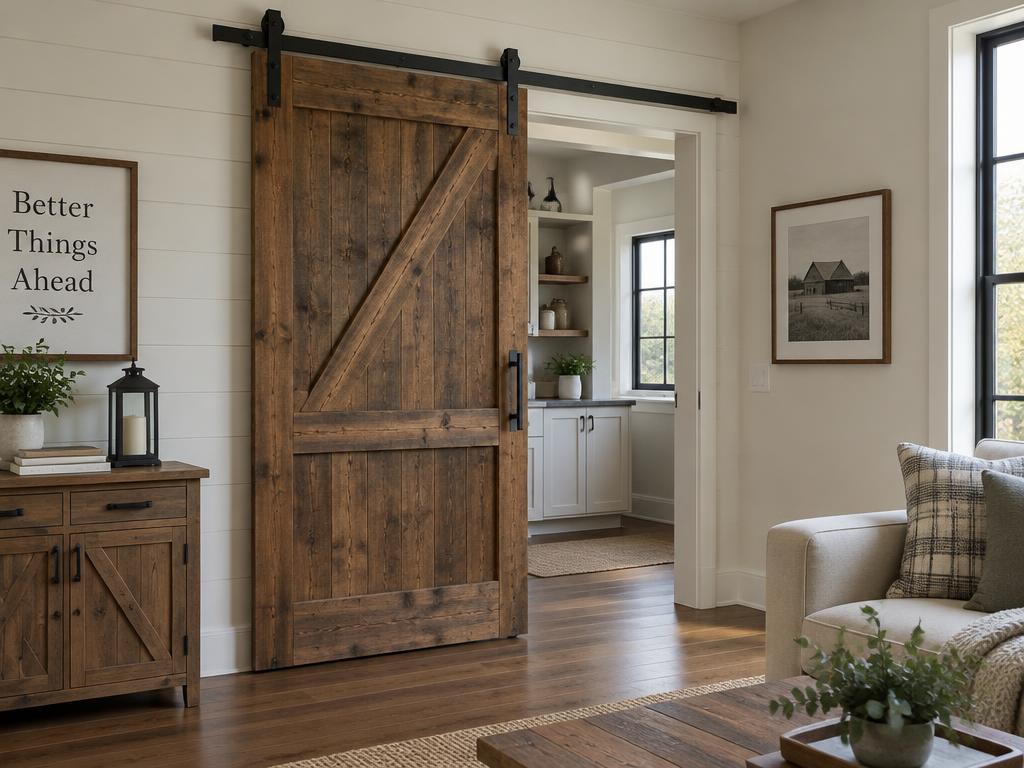
What does pocket door repair in Winnipeg actually cover?
A pocket door is a door that slides on an overhead track and disappears into a cavity built inside the wall, rather than swinging open on hinges. They are popular in Winnipeg homes and condos where floor space is tight, such as small bathrooms, laundry closets, pantries, and hallway entries in older character houses in neighbourhoods like Wolseley or River Heights, as well as newer infill builds downtown. Pocket door repair generally means addressing anything that keeps that door from rolling smoothly in and out of the wall cavity, staying aligned, latching properly, or closing flush with the opening.
Because the hardware and the track sit hidden inside the wall, pocket door problems are often misunderstood as "the wall is broken" when really it is the roller, track, or frame assembly inside the wall that needs attention. Repair work can involve the overhead track, the hanger rollers that ride in the track, the floor guide at the bottom, the door panel itself, the trim and jamb, and sometimes limited drywall access to reach the mechanism.
DoorMend looks at pocket doors for homes, condominiums, and small commercial spaces across Winnipeg, including units in older walk-up apartment buildings where original hardware may be decades old and no longer available from a supplier, as well as newer builds where lower-cost hardware has started wearing out sooner than expected.
- Track and roller adjustment or replacement
- Realigning a door that has dropped or tilts in the opening
- Fixing a door that jumps off the track
- Repairing or replacing floor guides and bottom pivots
- Addressing latch and pull hardware that no longer catches
- Limited drywall or trim access to reach hidden hardware
Why is my pocket door stuck, off track, or hard to slide?
The most common complaint homeowners describe is a pocket door that feels heavy, drags along the floor, or will not slide all the way into the wall cavity anymore. In most cases this points to worn or bent rollers at the top of the door, a track that has collected years of dust and debris, or hardware that has loosened with age and repeated use.
A door that has visibly dropped on one side, so the bottom corner scrapes the floor or the top no longer sits level with the header, usually means a roller has failed or the hanger bracket has pulled away from the door. A door that pops off the track entirely, especially when pushed too hard or bumped by kids or pets, often means the roller wheel has worn down enough that it no longer stays seated, or a track stop has broken off.
Other signs include a door that rattles in the wall cavity, a door that will not latch because it no longer meets the strike plate squarely, a door that feels loose when fully extended, or a pull handle that has loosened or come away from the door face.
How does Winnipeg's climate affect pocket doors?
Winnipeg's seasonal extremes put real stress on interior doors, even ones that never see the outdoors directly. During winter, homes run dry forced-air heat that pulls moisture out of wood doors and door frames, which can cause wood pocket doors to shrink slightly, change their fit in the opening, and loosen screws that hold roller hangers in place.
Freeze-thaw cycles and frost heave mostly affect foundations and exterior structures, but they can indirectly affect interior pocket doors in older homes where the house has shifted slightly over the decades. A house that has settled unevenly can leave interior wall cavities very slightly out of square, which translates into a pocket door track that is no longer perfectly level, even if the track itself is in good shape.
Dry winter air is one of the most underrated factors in interior door performance across Winnipeg. It dries out interior trim, swells and shrinks hollow-core and solid wood pocket door panels, and can loosen the small screws that keep hanger brackets attached to the top of the door.
What does a pocket door assessment and repair involve?
An assessment typically starts with watching how the door currently operates: does it drag, bind, jump the track, or fail to latch, and does the trouble happen at a specific point in its travel or throughout the whole slide. A technician will check the door panel for warping, swelling, or damage, inspect visible hardware such as the pull and latch, and, where the track allows access, look at the rollers and the inside of the track for wear, debris, or bent sections.
Because the track and much of the hardware sit inside the wall cavity, some assessments require removing the casing or a section of trim to see the hanger brackets and the full length of the track. In many cases the access panel or removable header trim used during original installation can be found and reopened without cutting into fresh drywall.
Once the cause is identified, repair work might include replacing worn roller wheels, re-securing or replacing a hanger bracket, adjusting the height and tilt of the door using the adjustment screws most roller hangers include, cleaning and lubricating the track, replacing a broken floor guide, or adjusting the latch and strike plate so the door closes flush.
Pocket door materials and types found in Winnipeg homes
Pocket doors in Winnipeg are most often solid wood, engineered wood, or hollow-core wood panels, with hollow-core being common in budget-built homes and condos because they are lighter for the roller hardware to carry. Solid wood pocket doors are more common in older character homes and higher-end renovations, offering better sound dampening but putting more strain on the roller hardware over time.
Glass pocket doors, often framed in wood or aluminum with a single or divided glass panel, appear in some newer Winnipeg homes and condo developments to bring light into interior spaces like home offices or ensuite bathrooms while still saving floor space. These require careful handling because of weight and glass type; any crack, chip, or damaged glass panel in a pocket door is treated as specialist glass work, and whether that repair can be scheduled depends on confirmed specialist capacity.
Metal or steel-framed pocket door systems show up occasionally in commercial or multi-unit residential settings, and vinyl-clad options are sometimes used in basements or utility areas for moisture resistance.
Should I repair or replace my pocket door?
Most pocket door problems are hardware problems, not door problems, which is good news because hardware is generally far less costly and less invasive to fix than replacing the whole door and track assembly.
Replacement becomes a more realistic conversation when the door panel itself is significantly warped, cracked, delaminated, or water damaged, when the track inside the wall is bent or deteriorated beyond adjustment, or when the wall cavity has shifted enough from settling that the opening is no longer a workable shape for the existing door. In older Winnipeg homes, the opening itself has sometimes settled unevenly over decades, and reworking the opening may be recommended rather than repeatedly patching hardware that keeps failing because of underlying misalignment.
Parts availability matters too. Pocket door hardware on very old installations can be a discontinued size or style, in which case a full hardware kit replacement, or in rare cases a full door and track replacement, may be more practical and longer-lasting than sourcing obsolete parts.
Cost of pocket door repair in Winnipeg
DoorMend does not quote specific prices without first assessing the door in person or reviewing photos and a description of the problem, because pocket door repair costs vary a lot depending on what is actually wrong. A number of factors influence the overall cost of any pocket door repair in Winnipeg.
The extent of drywall or trim access needed is often the biggest cost factor, since a repair done through an existing access panel is simpler than one requiring new trim removal and patching. The type and weight of the door matters too, since solid wood and glass pocket doors generally need heavier-duty roller hardware than hollow-core doors. Whether the issue is a simple adjustment, such as retightening a hanger bracket, versus a full hardware replacement also changes the scope of labour involved.
Other factors include how old and how standard the existing hardware is, since older or oversized tracks may require sourcing less common parts, whether the door panel itself needs refinishing or replacing alongside the hardware, and whether the job is a single pocket door or part of a larger project involving several doors.
What can homeowners check themselves before calling a professional?
There are a few simple, safe things a homeowner can check before deciding whether to request a repair. Vacuuming visible dust and debris out of the bottom floor track or any visible section of overhead track can sometimes resolve minor dragging, since lint, pet hair, and household dust build up in these channels over time.
Checking whether door pull or handle screws have simply worked loose is another easy check, as is looking at the bottom of the door and the floor guide for visible wear or a guide pin that has popped out of its slot. If the door has come off the track but is otherwise undamaged, it is sometimes possible to carefully guide the roller wheels back into the track from the open end, though this should only be attempted if it can be done without forcing the door or reaching into the wall cavity.
Owners should stop and call a trained technician once the problem involves opening drywall, working at height near the header, handling glass panels, or any situation where the door feels unstable or likely to fall out of the opening.
- Safe: vacuum dust and debris from the visible track and floor guide
- Safe: check that handle and pull hardware screws are snug
- Safe: gently inspect the floor guide for visible damage
- Stop and call a professional: opening drywall to reach the track
- Stop and call a professional: a door that feels unstable or heavy
- Stop and call a professional: any crack or damage to a glass panel
How do I prevent my pocket door from needing repairs again?
Regular light maintenance goes a long way toward keeping pocket door hardware working smoothly through Winnipeg's seasonal swings. Vacuuming the track every few months, especially in homes with pets or during dry winter months when dust tends to circulate more, helps prevent the buildup that causes dragging and wear on roller wheels.
Avoiding excessive force when opening or closing the door, and teaching household members including children not to slam a pocket door into the wall cavity, reduces strain on the hanger brackets and track stops that are often first to fail. Keeping indoor humidity reasonably stable, where practical, can also reduce the seasonal swelling and shrinking that affects wood pocket doors, since extreme dryness in January and high humidity in July are both hard on wood panels and the screws holding hardware in place.
Periodically checking that hanger bracket screws and pull hardware are snug, rather than waiting until the door visibly drops or rattles, can catch small issues before they turn into a door that comes off the track.
Pocket doors in condos and commercial spaces versus houses
Pocket doors in Winnipeg condominiums often see more daily use than those in single-family homes, especially when used on a shared bathroom, laundry nook, or storage closet in a smaller unit.
Condo and multi-unit settings can come with building-specific considerations, such as shared walls where opening trim or drywall might require coordinating with a condo board or property manager before work begins, and sometimes fire-rated or sound-rated wall assemblies around the pocket cavity that need to be respected during any repair. DoorMend does not provide code compliance certification, so building-specific requirements like these should be confirmed with building management or a qualified inspector separately from the door repair itself.
In small commercial spaces, such as offices or retail units with a pocket door leading to a stockroom or washroom, durability and frequency of use are the main concerns, and heavier-duty hardware upgrades are sometimes worth considering if original residential-grade hardware is failing faster than expected under commercial traffic levels.
Common questions about pocket door repair in Winnipeg
Can a pocket door be repaired without removing drywall? In many cases yes, particularly when the original installation included an access panel, or when the issue is limited to the door panel, floor guide, or visible hardware. Some repairs do require opening a section of trim or drywall to reach the track and hanger brackets, determined during the assessment.
How long does pocket door hardware typically last before it needs attention? This varies widely depending on the quality of the original hardware, how heavy the door is, how often it is used, and household humidity levels, so signs like dragging, dropping, or rattling are the practical indicator rather than a specific age.
Is a dragging pocket door always a hardware problem? Usually, but not always. Sometimes a door drags because the house has settled and the opening is slightly out of square, which is why an in-person or photo-based assessment is useful rather than assuming every dragging door needs the same fix.
Can DoorMend match the existing hardware exactly? Matching depends on what hardware is currently installed and what is available from suppliers at the time of repair; older or discontinued hardware sometimes needs a compatible replacement rather than an identical match, discussed during the quote process.
What if the pocket door has a lock or privacy latch that has failed? Simple mechanical privacy latches are generally a straightforward repair or replacement; rekeying and broader home security or access control systems are separate services and not something DoorMend provides.
How do I get a quote for pocket door repair in Winnipeg? Describe the problem as specifically as possible, including when it started and how the door is behaving, and send photos of the door, the track area if visible, and any hardware that looks damaged.