What does patio and sliding door repair in Winnipeg actually cover?
Patio and sliding door repair covers the range of problems that stop a sliding glass door, French patio door, or sliding screen door from opening, closing, locking, or sealing properly. In Winnipeg homes, patio doors are often the largest moving opening in the house, taking a beating from temperature swings, moisture, and everyday traffic to the deck or backyard. A repair visit typically looks at the rollers and track, the frame and weatherstripping, the lock and handle hardware, the glass panel and its seals, and the overall alignment of the door within its frame.
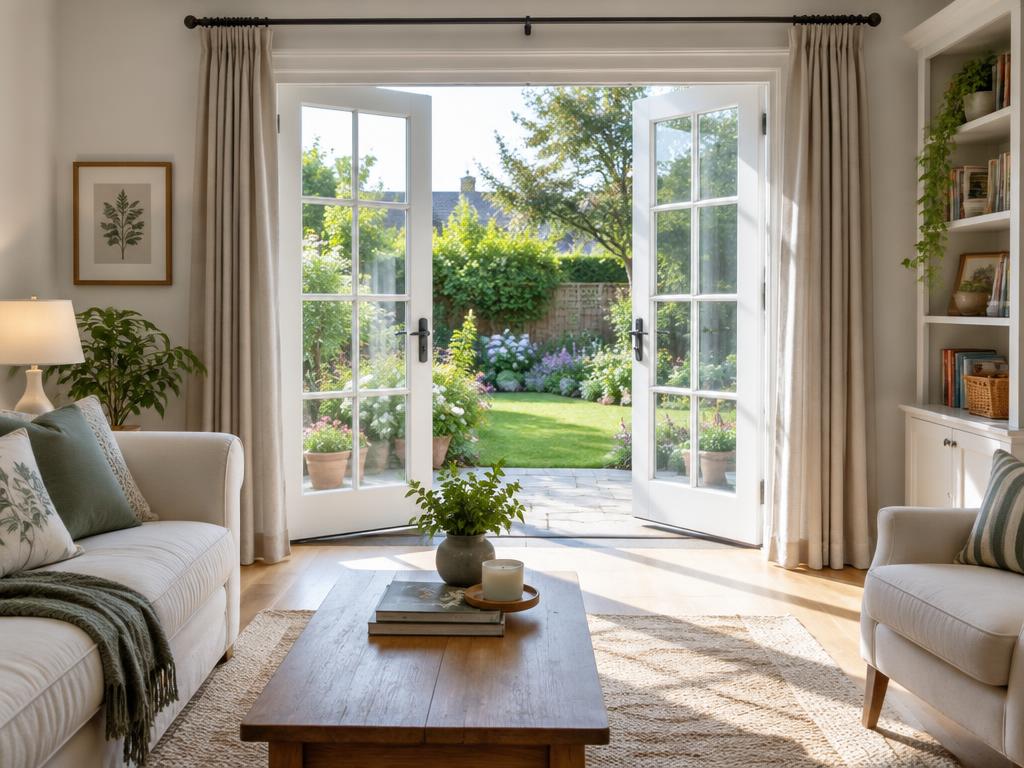
Because "patio door" can mean several products, repair work varies from job to job. A sliding glass door has one fixed panel and one panel that glides horizontally on a roller track. A French patio door has two hinged panels that swing open, closer in operation to a standard double door but sized and glazed like a patio unit. Some homes also have a sliding screen door paired with the glass door, a separate component with its own track and rollers.
This service is meant for doors that are sticking, dragging, difficult to lock, drafty, foggy between the glass panes, or visibly off track, rather than for a full replacement. If an assessment shows the frame, glass unit, or track has deteriorated beyond a reasonable repair, that will be flagged honestly.
Common signs your sliding patio door needs repair
Most homeowners notice a problem with their sliding patio door gradually rather than all at once. The door that used to glide with one hand suddenly needs a shoulder to shove it along the track. That symptom alone covers a wide range of underlying causes, from dirty tracks to worn rollers to a frame that has shifted slightly out of square.
Other signs point to a specific part. A door that rattles in strong wind, whistles during winter storms, or lets in a visible draft along the bottom edge usually points to worn or compressed weatherstripping. A lock that needs to be slammed or lifted to catch, or a handle that spins loosely, points to the latch and strike hardware. Condensation or a hazy, foggy appearance trapped between the panes of glass usually means the seal on an insulated glass unit has failed and let humid air in. Visible gaps where daylight shows around the frame, or a door that scrapes unevenly along the floor track, often point to a settling or warping frame.
- Door is hard to slide open or closed, or needs lifting slightly to move
- Door won't lock, doesn't line up with the strike, or the handle feels loose
- Visible gap or daylight around the frame when the door is closed
- Cold draft felt along the bottom track or side jamb in winter
- Foggy or cloudy patch between the glass panes that won't wipe away
- Door has come off its track partially or fully
- Screen door is torn, bent, or won't glide in its separate track
Why do sliding doors stick or jam more in a Winnipeg winter?
Winnipeg's climate is hard on every exterior door, but sliding patio doors are sensitive because they rely on a long, narrow track and small rollers to move smoothly. When temperatures drop toward -30 °C, aluminum and vinyl frames contract, tightening clearances enough to make a previously smooth-sliding door bind or drag. The same contraction can pull weatherstripping away from the glass or frame, opening small gaps that let in cold air even when the door looks closed.
Freeze-thaw cycling is arguably tougher on patio doors than steady cold. Meltwater and slush from boots or a nearby deck can work into the bottom track, then refreeze overnight, locking rollers in place or building a ridge of ice the door has to climb over. Repeated freezing and thawing at the base of the frame can also contribute to minor frame movement over several winters, especially on a deck or patio slab experiencing frost heave.
Dry indoor winter air creates a different problem: wood-component patio doors and trim can shrink slightly as humidity drops, sometimes showing up as new gaps or a handle and latch that no longer line up. Road salt tracked in on footwear can accelerate corrosion on metal tracks and roller hardware, part of why cleaning the track regularly matters in this climate.
In summer, the reverse issues show up: humidity swelling wood components, and sun exposure contributing to warped vinyl and expansion that makes a previously fine door suddenly tight in its frame.
What happens during a patio door assessment and repair?
An assessment typically starts with a visual and operational check: opening and closing the door through its full range, checking how it sits in the frame, and looking closely at the track, rollers, weatherstripping, lock hardware, and glass for wear or damage. A technician will usually ask when the problem started, whether it's worse in cold weather, and whether anything changed recently, such as a new deck or a hard impact to the door.
The specific repair depends on what is found. A dragging or jammed door often comes down to the rollers, which may need adjustment, cleaning, lubrication, or replacement if worn or bent. The track may need cleaning, straightening if slightly bent, or replacement if corroded or deeply gouged. Weatherstripping that has compressed or torn is generally replaced rather than patched, since partial fixes rarely hold up to another Winnipeg winter.
Lock and handle issues are addressed by checking alignment between the latch and strike plate, which can shift if the door or frame has settled, and by replacing worn internal lock hardware. If the glass unit has a failed seal and visible fogging, that is a matter for the glass unit itself rather than the door hardware, and options are explained as part of the assessment.
Where a door is leaning, racked, or clearly out of square, the repair may involve adjusting the frame, re-securing it to the surrounding structure, or concluding the frame has moved enough that replacement is the more sensible path.
Sliding glass, French patio, and screen doors: repair considerations by type
Sliding glass patio doors are the most common type in Winnipeg homes and condos, and most repair calls involve the roller and track system, along with weatherstripping and lock adjustments. Aluminum-framed sliders tend to show temperature-related binding most noticeably, since aluminum expands and contracts more than vinyl or fibreglass over a seasonal swing. Vinyl-framed sliders are generally more stable through temperature changes but can become brittle in extreme cold.
French patio doors operate on hinges rather than rollers, so their issues look more like a standard exterior door: sagging on the hinges, a strike plate that no longer lines up, or weatherstripping compressed along the meeting edge of the two panels. Because French patio doors often have larger glass panels, checking for seal failure and frame squareness is a bigger part of the assessment.
Screen doors paired with a sliding patio door have their own separate track and lighter-duty rollers that wear out faster with frequent warm-weather use. A torn screen mesh, bent frame, or screen door that has jumped its track is a common, usually straightforward repair distinct from the glass door itself.
Door material matters too. Wood patio doors need attention paid to moisture and finish condition in addition to hardware. Fibreglass doors, a composite material rather than glass, resist warping well but can still have hardware and seal issues. Steel-clad patio doors are less common but follow similar principles, with attention to surface damage near the lock or hinge points.
Repair or replace: how do I decide for a sliding patio door?
Repairing a sliding patio door makes sense when the frame is still square, the glass unit seal is intact, and the issues are limited to hardware: rollers, track, weatherstripping, lock, or handle. These are the most common failure points and can usually be addressed without touching the frame or glass.
Replacement becomes the more sensible conversation when the frame has warped, rotted, or racked out of square, when the glass unit has failed and matching replacement glass is impractical, or when multiple systems fail at once. A pattern of repeat repairs on the same door is also worth discussing honestly, since it may point to underlying frame or foundation movement rather than a hardware problem.
For condos and rental properties, the decision sometimes depends on building standards or matching existing units in a complex, worth mentioning during the enquiry.
What affects the cost of sliding patio door repair in Winnipeg?
The cost of a patio door repair depends on several factors rather than a flat rate, since the range of possible issues is wide. The type of repair needed is the biggest factor: adjusting and lubricating rollers is a smaller job than replacing a full track or re-squaring a frame. The number of separate issues addressed in one visit also affects cost, since multiple problems take longer than a single-issue fix.
Door size and type matter too. A standard residential sliding door is generally more straightforward to work on than an oversized patio door, a multi-panel slider, or a French patio door with two operating panels. Material also plays a role, since aluminum, vinyl, wood, steel, and fibreglass doors each respond differently to adjustment.
Accessibility is another consideration: a ground-floor patio door is usually quicker to assess than one on an upper deck or balcony, or one blocked by furniture or planters. Whether parts need to be sourced or ordered can also affect timeline and cost. A clear description of the problem and photos sent with a quote request help produce a more accurate sense of cost before a technician arrives.
Can I fix a sticking patio door myself, or should I call a professional?
There are a few safe checks a homeowner can reasonably do before requesting a repair. Vacuuming out the bottom track to remove sand, dirt, and debris, then wiping it down, resolves a surprising number of dragging-door complaints on its own. Looking at the weatherstripping for obvious tears or gaps, and checking whether the lock visibly lines up with the strike plate when the door is fully closed, are also reasonable things to inspect.
Beyond that, it's best to stop and call a professional. Adjusting roller height screws incorrectly can make a door worse, and forcing a door that is jammed or off its track risks cracking the glass. Any work involving the glass panel itself should be left to trained technicians. If a patio door is part of a larger system with an automatic or powered opener, or any integrated access control, availability for that specialist work depends on confirmed specialist capacity.
Window repair, lockouts, rekeying, and security or alarm system work are handled separately from patio door repair and are not part of this service, even though they sometimes come up in the same conversation about a home's exterior openings.
- Safe to check yourself: dirt and debris in the track, obvious gaps in weatherstripping, visible lock-to-strike alignment
- Leave to a professional: roller adjustment screws, a door off its track, any cracked or damaged glass, frame squaring
- Not part of this service: window repair, lockouts, rekeying, and security or alarm system work
How do I maintain a sliding patio door so problems don't come back?
Regular maintenance goes a long way toward preventing the most common patio door complaints, given how much Winnipeg's seasonal swings stress these doors. Vacuuming the track every few weeks, and more often during winter when salt and slush get tracked in, keeps debris from building up around the rollers. A light wipe-down with a damp cloth followed by drying the track helps prevent corrosion from salt residue.
Checking weatherstripping once or twice a year, ideally before winter and again in spring, helps catch compression or tearing before it becomes a drafty door or a spike in heating bills. Keeping the area just outside the door clear of heavy snow reduces load against the bottom track and frame. For homes with a deck or patio slab prone to frost heave, watching how the door sits relative to the frame from season to season can catch early signs of movement.
Operating the door through its full range periodically, even during winter when it's used less, helps keep rollers from seizing. Addressing a small drag or squeak early usually means a smaller repair rather than a bigger one down the road.
Homes, condos, and businesses: does patio door repair differ, and how do I request a quote?
Most patio door repair work in Winnipeg is residential, but condos and some small commercial spaces also use sliding or French patio-style doors for balcony and courtyard access. In condo buildings, there can be building-wide standards for exterior door appearance or material worth mentioning when requesting a quote, since matching an existing style sometimes matters to a condo board even for a hardware-only repair. For businesses with patio-style doors, higher-traffic doors wear out roller and lock hardware faster, which can shift the repair-versus-replace conversation sooner than for a typical home.
Requesting a quote starts with describing the problem as specifically as possible: whether the door sticks, won't lock, feels drafty, has come off its track, or shows fogging between the glass panes, and whether the issue is new or has been getting worse. Noting the door type helps frame the assessment from the start. Sending a few clear photos of the track, the lock area, and the frame where it meets the wall, along with a photo of the whole door, helps give a fuller picture than a written description alone.
From there, an assessment determines the realistic options, whether a straightforward roller and track service, weatherstripping replacement, lock hardware repair, or a more involved look at the frame and glass. An enquiry is not a booking; it starts a conversation so the scope of work can be sorted out before anything is scheduled for your Winnipeg home, condo, or small business.
Frequently asked questions about patio and sliding door repair
Why does my patio door only stick in winter? Cold temperatures can shrink or contract aluminum and vinyl frame components, tightening clearances around the rollers and track. Combined with meltwater refreezing in the track, this is one of the most common seasonal complaints.
Can a foggy patio door window be fixed without replacing the whole door? Often the issue is a failed seal on the glass unit itself rather than the frame or hardware, treated as a separate consideration during an assessment.
My sliding door came off its track, is that an emergency? It's not something to force back into place on your own, especially if the glass panel has shifted, but it's a common repair request worth describing clearly when requesting a quote.
Do you repair screen doors too? Sliding screen doors paired with a patio door are a common, usually simpler repair, covering torn mesh, bent frames, and track or roller issues.
How long does a typical patio door repair take? It depends on what's wrong, from a quick roller adjustment to a more involved frame or weatherstripping job, which is why an assessment comes before any estimate.
Is it better to repair an older patio door or replace it? That depends on the condition of the frame and glass rather than age alone; an older door with a sound frame and intact glass seal is often still a good repair candidate.