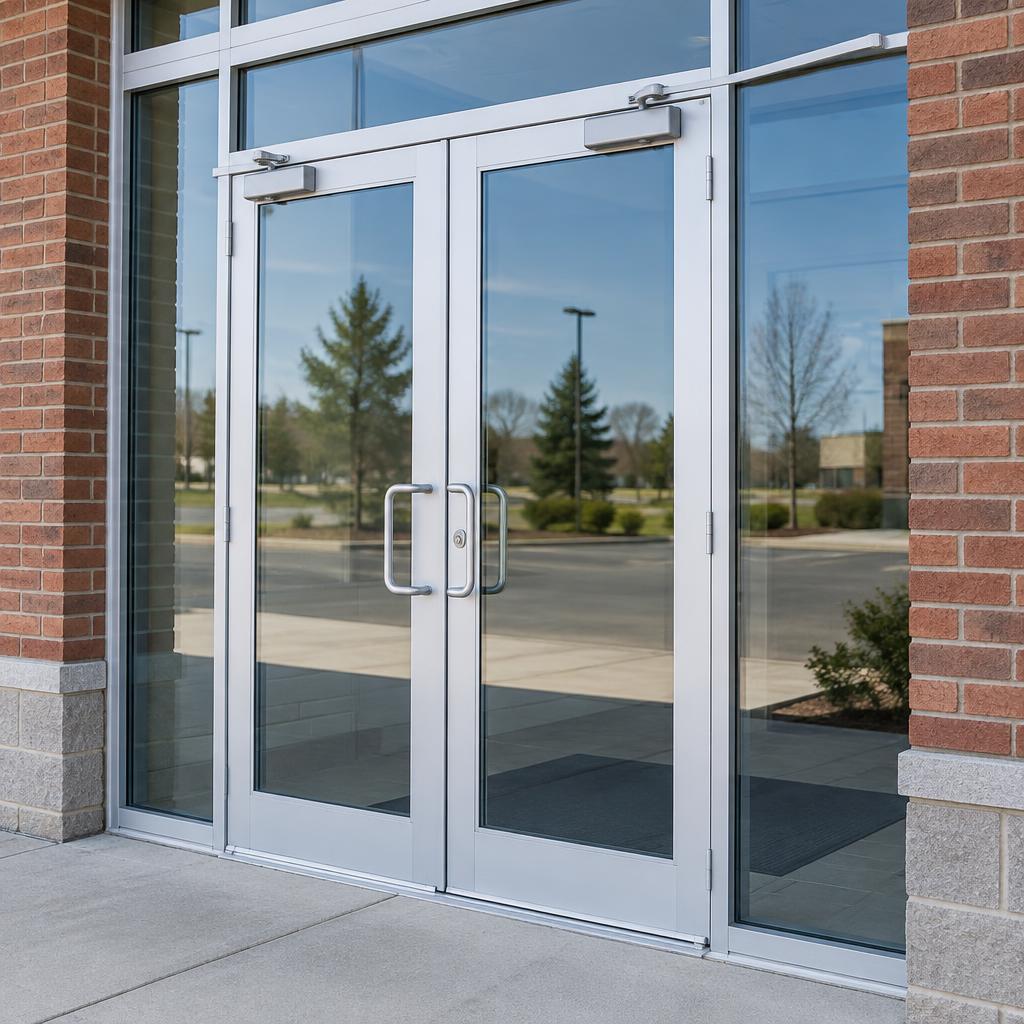
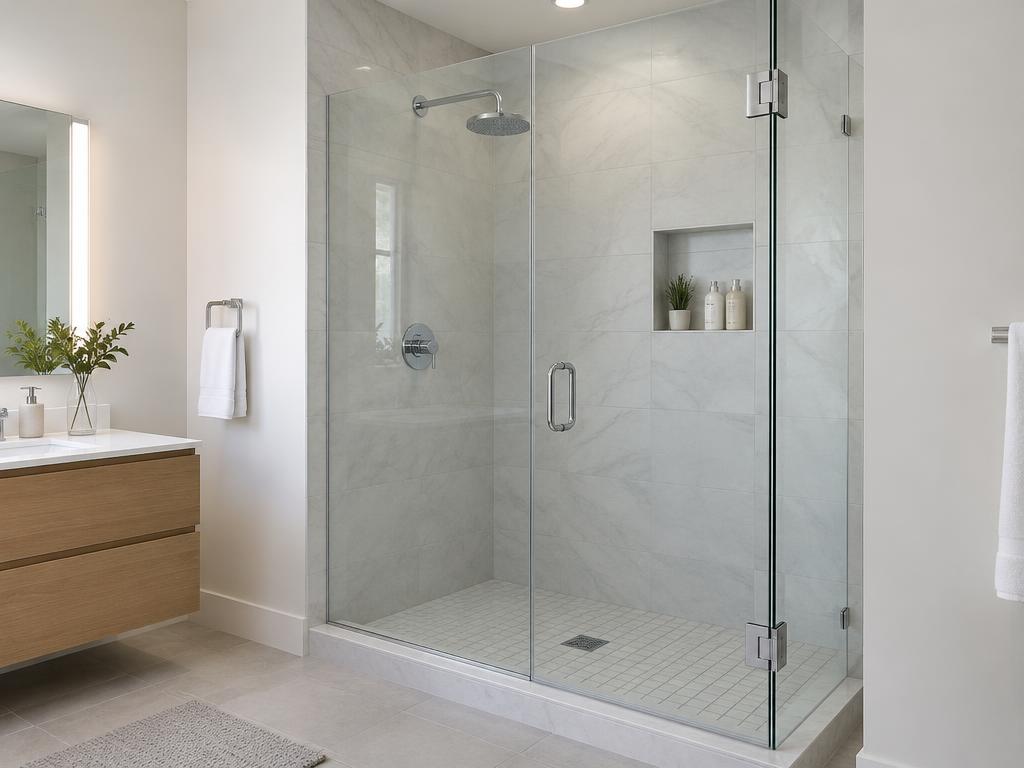
What does aluminum sliding glass door repair in Winnipeg actually cover?
Aluminum sliding glass door repair covers the moving glass panel, the aluminum frame, the rollers it glides on, the track it rides in, the locking mechanism, and the weatherstripping that seals out drafts and moisture. In Winnipeg homes and condos, these doors are common on patios, balconies, and sunrooms, and problems usually show up as a panel that sticks, drags, rattles, or won't latch securely.
A typical service call starts with identifying whether the issue is mechanical (worn rollers, bent track, misaligned frame), related to the glass unit itself (fogging, cracks, failed seals), or related to hardware (handles, locks, latches). Because aluminum frames expand and contract with Winnipeg's wide temperature swings, repairs often need to account for how the door will behave in both a July heat wave and a January deep freeze, not just how it performs on the day of the visit.
Homeowners searching for sliding glass door repair in Winnipeg are often dealing with more than one issue at once - for example, a door that is hard to slide and also whistles in the wind. An assessment looks at the whole assembly rather than just the symptom that is easiest to notice.
This kind of combined approach also helps avoid a situation where one repair is done in isolation and a related issue is missed, only to resurface a season later. For example, replacing worn rollers without checking why they wore out in the first place - such as a track that has been collecting grit for years - can lead to the new rollers wearing prematurely as well.
Common signs your aluminum slider needs attention
Sliding glass doors tend to give warning signs well before they fail completely. Catching these early can mean a simpler repair instead of a full track or panel replacement.
Some signs point to roller or track wear, others to frame distortion, and others to seal or glass problems. Separating these causes is a key part of any proper assessment, since a worn roller and a bent track can produce a very similar dragging feeling underfoot.
- The door is difficult to slide open or closed, or requires lifting the panel to move it
- Grinding, squeaking, or scraping noises when the panel moves along the track
- Visible gaps between the panel and frame when the door is closed
- The lock no longer catches, or the handle feels loose or wobbly
- Condensation or fog forming between the panes of a double-glazed panel
- Cold drafts near the door frame during winter months
- The panel appears to sag or tilt slightly in its frame
How does Winnipeg's climate affect aluminum sliding doors?
Winnipeg's climate is hard on sliding glass doors in several distinct ways. Aluminum is a highly conductive metal, so frames contract noticeably in extreme cold, which can tighten tolerances around rollers and tracks and make a door that slid smoothly in summer suddenly feel stiff or stuck once temperatures drop toward -20°C or -30°C.
The freeze-thaw cycle common to Manitoba winters also affects the building envelope around the door opening. As the ground shifts with frost heave, a door frame that was square in the fall can become slightly out of alignment by spring, leading to new gaps, a sticky latch, or a panel that no longer sits flush.
Dry winter air inside Winnipeg homes can shrink and crack old weatherstripping, while humid summer air can cause swelling in wood components nearby and increase condensation between glass panes if a seal has already started to fail. Road salt and sand tracked onto balconies and patios can also work into the track, accelerating wear on rollers and corroding aluminum surfaces over time if not kept clear.
Balcony doors on higher floors of a condo tower face additional wind exposure, which can accelerate the wear on weatherstripping and put extra stress on frame seals compared to a sheltered backyard patio door at ground level. This is worth keeping in mind for anyone comparing notes with a neighbour whose door seems to be holding up better or worse under similar conditions.
What happens during an aluminum sliding door assessment?
An assessment typically starts with a visual and functional check of the panel, frame, track, rollers, and hardware. A technician will usually slide the door through its full range of motion, check for binding points, inspect the track for debris or damage, and look closely at the alignment of the frame in the opening.
Next comes a closer look at the glass unit itself, checking the seals for signs of failure such as fogging or visible moisture, and checking the condition of any safety glazing if the panel is near floor level. The locking hardware is tested for proper engagement, and weatherstripping is checked for gaps, compression loss, or cracking.
From there, the technician can usually outline the available options, whether that means cleaning and lubricating the track and rollers, adjusting the frame alignment, replacing worn rollers, replacing a failed glass unit, or addressing the weatherstripping. For aluminum sliding glass door repair in Winnipeg, this step-by-step process helps separate a quick fix from a job that needs more involved work.
Roller, track, and frame repairs explained
Rollers are small wheeled components mounted at the bottom of the sliding panel that let it glide along the track. Over years of use, especially with grit and debris working into the mechanism, rollers wear down, flatten, or seize, which is one of the most common reasons an aluminum slider becomes difficult to move.
The track itself can become bent, dented, or filled with debris, sand, and old lubricant residue. A damaged track often needs straightening or, in more severe cases, replacement of the track section, since a bent track will continue to cause roller wear even after new rollers are installed.
Frame alignment issues are usually tied to the building settling or frost heave shifting the opening slightly. In some cases this can be corrected by adjusting the frame or the hardware; in more significant cases, the frame itself may show enough distortion that a full panel or door replacement becomes the more sensible option.
Repair or replace an aluminum sliding glass door?
Deciding between repair and replacement depends on the condition of the frame, the glass unit, and how often problems have recurred. A door with a sound frame, intact glass seal, and worn rollers or hardware is usually a strong candidate for repair.
Replacement tends to make more sense when the frame is significantly bent or corroded, when the glass unit has failed and the frame is also aging, or when a door has needed repeated repairs for different issues over a short span of time. An older aluminum frame that no longer seals well against Winnipeg's winter air, even after weatherstripping is replaced, is another sign that the frame itself may be at the end of its useful life.
An assessment is the best way to get a clear answer, since it accounts for the specific pattern of wear on that particular door rather than a general rule of thumb. DoorMend technicians can walk through what they find and explain which options are realistic for that door.
It is also worth noting that a door which has been forced open or closed repeatedly while binding on a bent track can develop additional stress on the frame corners over time, which is another reason to address a dragging or sticking slider sooner rather than later rather than continuing to force it through a sticky section of track.
What affects the cost of sliding glass door repair in Winnipeg?
Several factors influence the cost of repairing an aluminum sliding glass door, though exact pricing always depends on what the assessment finds for that specific door.
Because every home and every door has a different history, DoorMend does not list set prices online; instead, a technician reviews the details of the job before any cost is discussed.
- The number of components involved - rollers, track, frame, glass, and hardware may need attention individually or together
- Whether a replacement glass unit is needed and its size and glazing type
- Whether the frame needs alignment work in addition to hardware repairs
- Access to the door, such as upper-floor balconies versus ground-level patios
- Whether the door is original to an older building or a more recent installation
- Any additional work uncovered once the track and frame are opened up for inspection
What can homeowners safely check before calling for repair?
There are a few simple, safe checks a homeowner can do before booking an assessment. Vacuuming debris, sand, and grit out of the track, and wiping down the track with a damp cloth, can sometimes improve a sticky slide on its own. Checking whether the panel is simply sitting slightly off its rollers, which can sometimes be reseated gently by hand, is also reasonable for most people to try.
It is also safe to visually inspect the weatherstripping for obvious tearing or gaps, and to check whether the lock is catching properly when the door is fully closed.
What is not safe or advisable is attempting to remove a heavy glass panel from its track alone, trying to force a bent frame back into alignment, or attempting to replace a glass unit without proper training, since mishandling a large glass panel carries real injury risk. If cleaning the track and checking the obvious points does not resolve the issue, it is time to stop troubleshooting and request an assessment.
Maintenance tips to keep your slider working through Winnipeg winters
Regular maintenance goes a long way toward preventing the most common aluminum slider problems. Keeping the track clear of dirt, leaves, and winter sand, and lubricating rollers periodically with a product suited to the hardware, helps reduce wear.
Checking weatherstripping each fall before the cold sets in, and replacing it when it looks compressed or cracked, helps the door seal properly against drafts once temperatures drop. Gently cleaning the glass and frame reduces grime buildup that can hide early signs of seal failure or corrosion.
For condo and balcony doors exposed to more wind and temperature swings than a ground-level patio door, a seasonal check before winter and again in spring, after the freeze-thaw period, can catch alignment issues from frost heave before they turn into a stuck or jammed panel.
Homes, condos, and commercial balcony doors - does it matter?
Aluminum sliding glass doors appear in single-family homes, condo units, and some commercial settings such as ground-floor patios attached to offices or suites. The repair principles are similar across these settings, but access and building considerations can differ.
In a condo building, a balcony door repair may need coordination with building management, especially for higher floors, and the exposure to wind can accelerate wear on weatherstripping and hardware compared to a sheltered backyard patio door. In a commercial setting, a sliding door used frequently by staff or customers may show wear faster simply due to the volume of use.
Whatever the setting, an assessment helps determine the right approach for that specific installation, taking into account how the door is used and how exposed it is to Winnipeg's weather.
More questions about aluminum sliding glass door repair
Can a foggy sliding door glass panel be fixed without replacing the whole door? In most cases, yes - a fogged or failed glass unit can typically be replaced within the existing aluminum frame, provided the frame itself is in good condition.
Why does my sliding door only stick in winter? This is usually related to aluminum's contraction in cold temperatures combined with any existing wear in the rollers or track, which becomes more noticeable once tolerances tighten up in the cold.
Is it normal for an older aluminum slider to need more frequent repairs? Older frames and hardware do tend to need more attention over time, and at a certain point repeated small repairs may be a sign that replacement is worth considering during an assessment.
Does DoorMend repair sliding doors in condos and apartment buildings as well as houses? Yes, DoorMend works on sliding glass doors in a range of residential and some commercial settings across Winnipeg; an assessment confirms what is involved for that specific building and door.
How do I get a quote for sliding glass door repair in Winnipeg? Describe the problem as specifically as you can - whether the door sticks, won't lock, feels drafty, or has a fogged glass panel - and send a few clear photos of the door, track, and any visible damage. An assessment from there determines the realistic options for that door. Submitting an enquiry starts this conversation; it is not a booking or a confirmed appointment time.