What does closet door repair in Winnipeg actually cover?
Closet door repair covers the hinges, tracks, rollers, panels, and hardware that let a bedroom, hallway, or storage closet door open and close the way it was designed to. In Winnipeg homes this can mean anything from a bifold closet door that has popped off its track, to a sliding closet door that drags on the carpet, to a hinged closet door with a warped panel that no longer sits flush in the frame.
Because closets come in so many configurations, the scope of a repair job varies a lot. A simple hinge tightening on a swinging closet door is a quick fix. A full closet door track replacement, or re-squaring a bifold closet door that has fallen out of alignment, takes more time and sometimes new hardware. An assessment is the only reliable way to know which category a specific closet door problem falls into.
Most closet door repair requests in Winnipeg fall into one of a few buckets: doors that won't slide or fold smoothly, doors that have come off their track or pivot pins, doors with damaged or delaminating panels, and doors with hardware that has worn out or broken. DoorMend looks at the whole assembly, not just the symptom, because a dragging door is often a track or roller problem rather than a door problem.
Common signs your closet door needs attention
Homeowners usually notice a closet door problem well before it becomes a bigger issue, but it helps to know what to watch for. Catching these signs early often means a smaller repair instead of a full closet door replacement later.
Sliding closet doors, bifold closet doors, and hinged closet doors each show wear in slightly different ways, but there is enough overlap that most Winnipeg homeowners will recognize at least one of these.
- A sliding closet door that sticks, jumps the track, or needs to be lifted to move
- A bifold closet door that folds unevenly, scrapes the floor, or won't close flush
- Visible gaps at the top or sides of a hinged closet door when it is shut
- Squeaking, grinding, or scraping noises when opening or closing the door
- Loose, stripped, or missing screws around hinges, pivots, or track brackets
- Panels that have started to warp, bow, bubble, or separate at the seams
- Rollers that have cracked, flattened, or fallen out of their housings
- A door that has come off its track or pivot pin entirely and won't stay seated
Why do bifold and sliding closet doors act up more in winter?
Winnipeg's climate puts real stress on interior doors, even though closet doors live indoors and seem sheltered from the weather. Indoor humidity swings dramatically between Winnipeg's dry winter air and more humid summer months, and wood-based closet doors, door frames, and the walls around them expand and contract in response. A bifold closet door that glided easily in July can bind or stick by January simply because the wood panel and the frame it sits in have both shifted slightly with the season.
Homes built on Winnipeg's clay-heavy soil are also prone to minor seasonal movement from frost heave and freeze-thaw cycles in the foundation. That movement can be barely noticeable in most rooms, but it is often enough to throw an interior door frame slightly out of square, which shows up first as a closet door that no longer closes evenly or a track that sits a few millimetres off level.
Furnace-driven dry air in a Winnipeg winter can also shrink wood door panels and MDF closet door panels just enough to loosen panel joints or create small gaps that weren't there in summer. This is one of the most common reasons DoorMend gets closet door repair calls clustered in the colder months: it isn't that the door broke overnight, it's that seasonal movement finally pushed a marginal fit past the point of working smoothly.
What happens during a closet door assessment and repair?
A typical closet door assessment starts with identifying the door type — sliding, bifold, bypass, or hinged — and the material it's made from, since the diagnosis and the repair approach differ for each. The technician checks whether the frame is square, whether the track or hinges are mounted securely, and whether the door panel itself is warped, cracked, or intact.
For sliding and bypass closet doors, the assessment usually includes checking the top and bottom tracks for debris, bending, or wear, inspecting the rollers or guide pins, and confirming the door is hung with even clearance on both sides. For bifold closet doors, the check extends to the top pivot bracket, the bottom pivot socket, and the alignment between panels so they fold without binding.
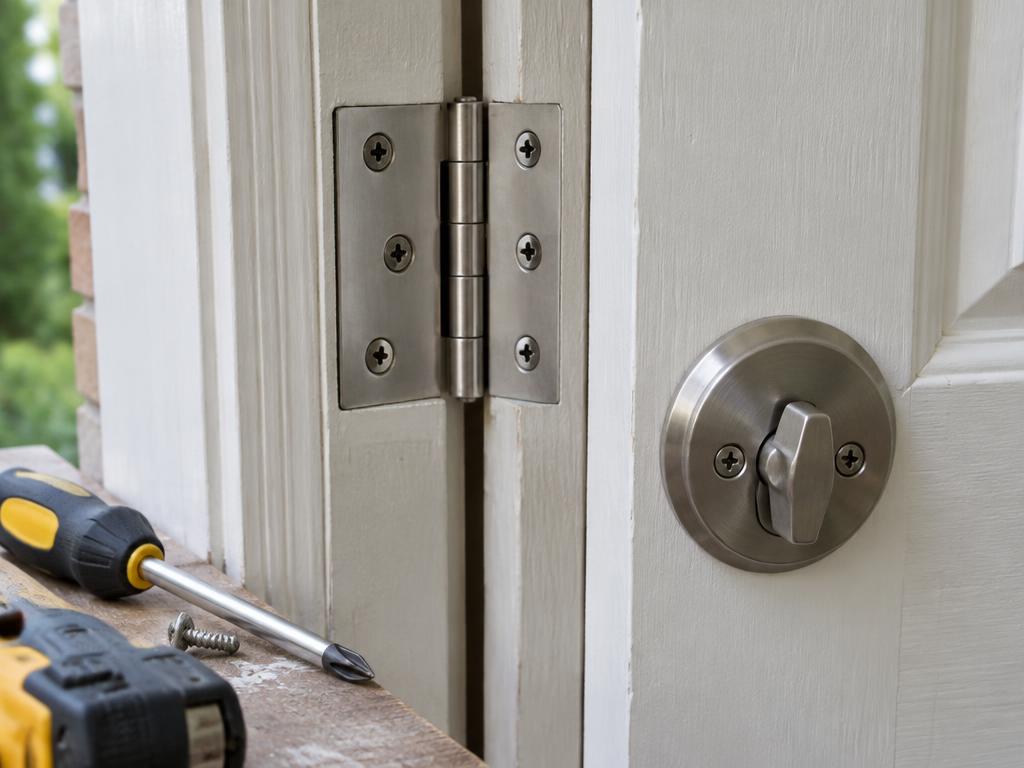
Hinged closet doors get a different look: hinge screws, hinge mortises, strike plate alignment, and whether the door has twisted or sagged on its hinges over time. In many cases, a sagging hinged closet door can be corrected by resetting or shimming hinges rather than replacing the door, but that depends on how much the wood has moved.
Once the diagnosis is clear, the repair itself might involve realigning or replacing a track, swapping out worn rollers or pivot hardware, tightening or relocating hinge screws into solid wood, adjusting a strike plate, or addressing a panel that has started to separate. If a panel is damaged beyond a straightforward fix, the technician will explain the options rather than assuming a full door replacement is the only path forward.
Wood, MDF, mirrored, and vinyl closet doors: does material change the repair?
Closet doors in Winnipeg homes show up in a range of materials, and each one responds differently to repair work and to the local climate. Solid wood closet doors can be sanded, re-glued at joints, and re-hung, but they are also the most sensitive to humidity swings, which is why they're more prone to seasonal sticking.
Hollow-core and MDF (engineered wood) closet doors are common in newer Winnipeg builds because they're lightweight and affordable, but they don't tolerate moisture or impact the same way solid wood does. A corner that's been bumped too many times can crumble rather than dent, and in those cases, hardware adjustment can only go so far before the panel itself is the limiting factor.
Mirrored sliding closet doors bring an extra consideration: the frame around the mirror has to stay square or the glass can bind in the track or, in a worst case, crack under pressure. Vinyl-clad and laminate closet doors resist moisture better than raw wood but can still delaminate at the edges over time, especially near a humid ensuite closet.
Whatever the material, the hardware — tracks, rollers, hinges, pivots — is usually steel, nylon, or a combination, and that hardware tends to wear out before the door panel itself does. That's good news for homeowners, because hardware replacement is often less expensive and less disruptive than panel or door replacement.
Repair or replace a damaged closet door?
Deciding between closet door repair and closet door replacement comes down to a handful of practical questions: how extensive is the damage, is the door still structurally sound, is matching hardware or a matching panel still available, and does the existing frame and opening remain usable.
Repair tends to make sense when the issue is isolated to hardware — a track, a roller, a hinge, a pivot bracket — and the door panel itself is still flat, solid, and undamaged. Many sliding, bifold, and hinged closet door problems fall into this category, which is why a hardware-focused repair is often the first thing an assessment looks for.
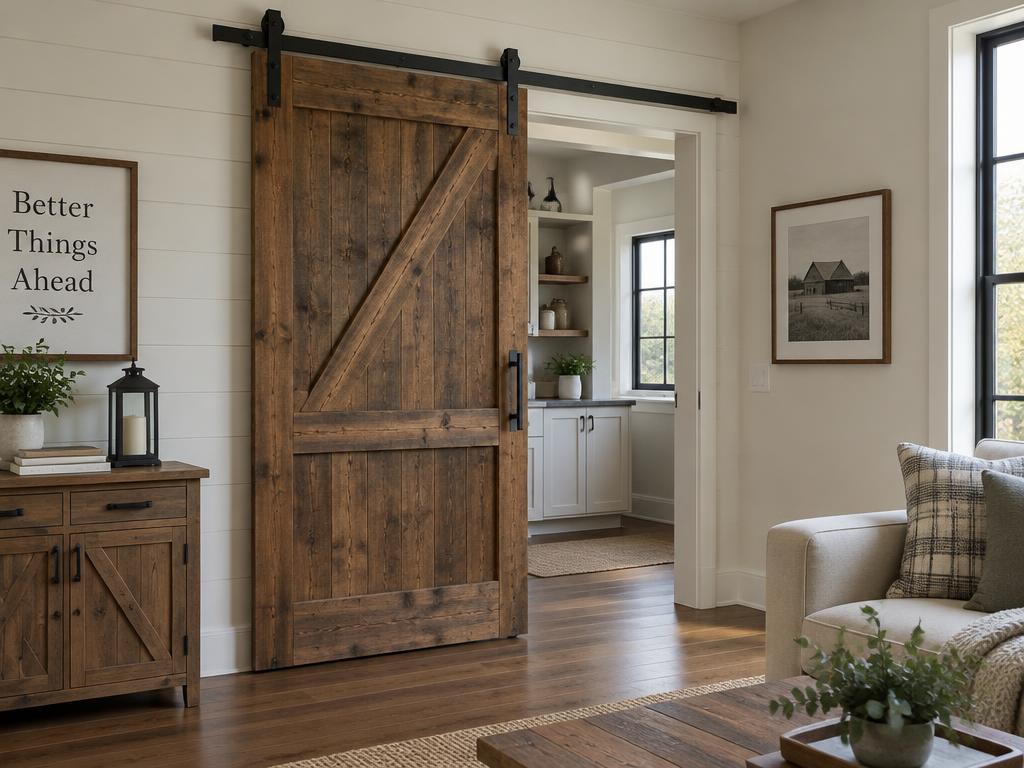
Replacement becomes the more sensible route when a panel has warped significantly, when water damage has caused swelling or delamination that keeps coming back, when the door no longer matches the rest of a renovated space, or when a style upgrade (for example, moving from an older bifold to a modern sliding or barn-style closet door) is the real goal. There are also cases where the frame or rough opening itself has shifted enough that a new, properly sized unit is more reliable long-term than continuing to adjust an old one.
An assessment is the most reliable way to get a clear answer, since photos and a description only tell part of the story — a technician looking at the frame, the hardware, and the panel in person can confirm which option actually solves the problem.
What affects the cost of closet door repair in Winnipeg?
DoorMend doesn't quote fixed prices online because closet door repair costs depend on a number of variables that only become clear once a technician has assessed the specific door. That said, homeowners researching closet door repair cost in Winnipeg should know what generally drives the price up or down.
The type of door matters: a single hinged closet door with a loose hinge is a smaller job than a multi-panel bifold or bypass system with several tracks and rollers to address. The extent of the damage matters too — adjusting hardware that's still in decent shape costs less than sourcing and installing replacement parts for discontinued or custom hardware.
Accessibility and the condition of the surrounding frame also play a role. If the door frame itself needs correction, or if trim needs to be removed and reinstalled to access a track, that adds time. The material of the door affects cost as well, since solid wood repairs can involve more careful handling than engineered wood or vinyl-clad panels.
Finally, whether matching parts are readily available or need to be sourced specifically for an older or discontinued closet door system can shift the cost and timeline. The best way to get an accurate picture is to request an assessment and describe the door and the problem as specifically as possible.
What can homeowners safely check before calling for closet door repair?
There are a few simple things a homeowner can check safely before deciding whether to book a closet door assessment. These checks won't fix every problem, but they can rule out the easiest causes and give a technician useful information up front.
On the other hand, some closet door issues are better left to a trained technician, particularly when hardware is heavily rusted, when a panel is cracked in a way that could shed splinters or shards, or when forcing a stuck door risks pulling a track or hinge loose from the wall and causing further damage.
- Check for visible debris, lint, or small objects stuck in a sliding closet door track
- Look at the top and bottom tracks to see if they're bent, loose, or pulling away from the frame
- Gently test whether hinge screws on a hinged closet door are loose, without forcing the door
- Check whether a bifold door's pivot pins are still seated in their top and bottom brackets
- Note whether the problem happens with one panel or the whole door assembly
- Stop and call a professional if the door has come off the track or pivots entirely and won't reseat with light pressure
- Stop and call a professional if a mirrored or glass-panel closet door shows any cracking
- Avoid forcing a stuck or jammed door, since that can bend track or strip hardware further
How do I stop a closet door from sticking again after it's repaired?
Once a closet door has been repaired, a bit of regular maintenance goes a long way toward preventing the same problem from coming back, especially given how much Winnipeg's seasonal humidity and temperature swings affect interior doors.
Keeping tracks clean is one of the simplest habits: dust, carpet fibres, and small debris build up in sliding and bypass closet door tracks over time and are a common cause of dragging or sticking. A light vacuum or wipe-down a few times a year keeps tracks moving freely.
It's also worth periodically checking that hinge and bracket screws are snug, since normal use loosens them gradually, and catching a loose hinge early prevents the door from sagging and throwing off its alignment. For homes that run a humidifier or dehumidifier seasonally, keeping indoor humidity relatively stable can reduce how much wood closet doors and frames expand and contract between Winnipeg's dry winters and humid summers.
Avoiding slamming or forcing a closet door that's sticking even slightly also helps; a door that's dragging a little and gets forced shut repeatedly is far more likely to need hardware repair sooner than one that's adjusted as soon as the drag is noticed.
Closet doors in condos, rentals, and shared spaces
Closet door repair needs look a little different depending on whether the space is an owner-occupied home, a rental unit, or a condo. In rental properties, closet doors tend to see more turnover of use and sometimes less consistent care between tenants, which can mean hardware wears out faster or gets forced when it starts sticking.
In condos, closet doors are often part of a standardized builder package across many units, which can make it easier to find comparable hardware but can also mean the original parts were chosen for cost rather than long-term durability. Property managers coordinating closet door repair across multiple units benefit from describing each door's symptoms separately, since even identical-looking units can have slightly different wear patterns.
Whatever the setting — a single-family home, a rental suite, or a condo near downtown Winnipeg — the same basic assessment process applies: identify the door type and material, check the hardware and frame, and determine whether a hardware-level repair or something more involved is the right path.
Common questions about closet door repair
Can a bifold closet door be repaired without replacing the whole unit? In most cases, yes — bifold door problems are frequently hardware issues (pivot pins, top track, guide brackets) rather than problems with the panels themselves, so a hardware-focused repair is often enough.
Why does my sliding closet door only stick in winter? This is usually related to seasonal humidity changes affecting the wood door panel and surrounding frame, or minor seasonal movement in the home's structure that shifts the track slightly out of level.
Is it normal for closet door hinges to need re-tightening over time? Yes, this is normal wear from repeated opening and closing, and it's one of the easiest closet door issues to catch early with a quick visual check.
Can a cracked mirrored closet door panel be repaired? Mirrored and glass panels require careful handling, and any cracked glass panel should be left to a trained technician to assess rather than handled as a DIY fix.
Do you repair closet doors in older Winnipeg homes with non-standard openings? Assessments account for the specific opening and hardware present, including older or custom-sized closets, though availability of matching parts can affect the repair approach.
What if I'm not sure whether my closet door needs repair or just an adjustment? That's exactly what an assessment is for — describing the symptoms and sending photos lets DoorMend give a clearer sense of what's likely involved before any work is scheduled.
How to request a closet door repair quote from DoorMend
Getting started with a closet door repair request is straightforward: describe the problem as specifically as possible — the type of door (sliding, bifold, bypass, or hinged), what it's doing (sticking, sagging, off the track, damaged panel), and roughly how long the issue has been happening. Details like these help set expectations for what an assessment will likely need to look at.
Photos make a real difference too. A few clear pictures of the door, the track or hinges, and any visible damage give a much fuller picture than a description alone, and they can help identify the door type and hardware style ahead of time.
It's worth being clear that submitting an enquiry is not the same as booking a repair. An enquiry starts a conversation, and an assessment is what actually determines the available options and next steps for a particular closet door, whether that's in a home, a rental, or a condo in Winnipeg.