What does garage door maintenance in Winnipeg actually cover?
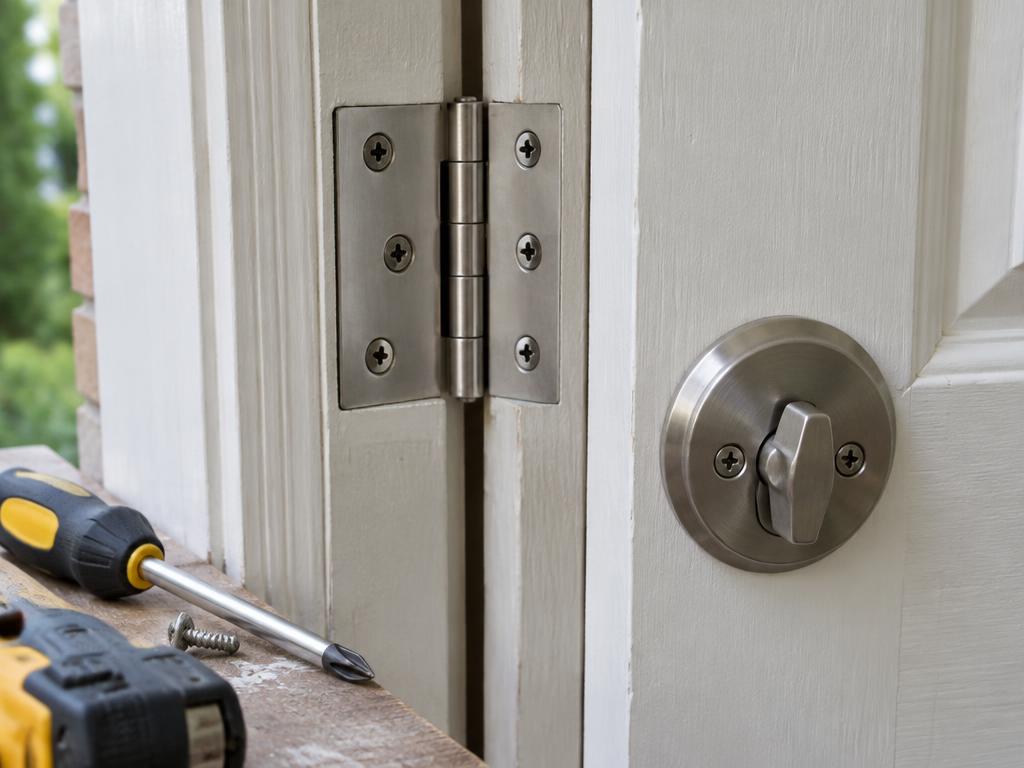
Garage door maintenance is the ongoing care that keeps a sectional, roll-up, or carriage-style garage door opening and closing the way it should, without forcing homeowners into an unplanned repair bill in the middle of a cold snap. A maintenance visit from DoorMend typically starts with a visual and functional assessment of the whole system: the door panels, the tracks, the rollers, the hinges, the weatherstripping, and the hardware that holds everything together. Because garage door springs, cables, and powered operators carry stored tension or electrical load, any work on those specific components is left to trained technicians rather than described here as a do-it-yourself task.
In a city like Winnipeg, where garage doors face some of the widest temperature swings in the country, maintenance is less about luxury and more about preventing small issues from becoming big ones. A door that drags slightly in October can seize completely by January once grease has thickened and moisture has frozen inside the track. Regular maintenance is meant to catch that kind of drift before it becomes a failure that leaves a garage door stuck half open on a -30 °C morning.
Maintenance differs from a repair in that it is largely preventative: lubrication, adjustment, cleaning, and inspection rather than replacing a broken part. That said, many maintenance visits uncover a worn roller, a cracked panel, or deteriorated weatherstripping that is flagged for follow-up. The goal of a maintenance-focused visit is to extend the useful life of the existing door and operator system and to reduce the odds of an inconvenient breakdown.
- Visual inspection of panels, tracks, rollers, and hinges
- Lubrication of moving hardware where appropriate
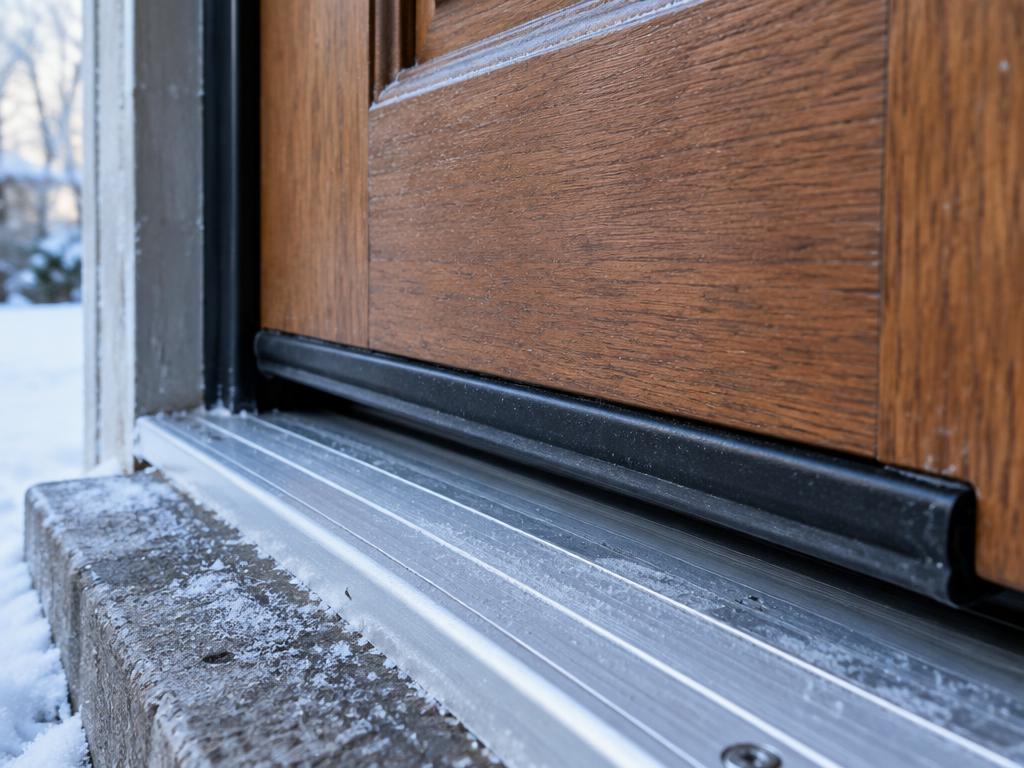
- Check of weatherstripping and seals around the door perimeter
- Balance and alignment observations reported back to the homeowner
- Flagging of any worn parts that may need future repair
Common signs a Winnipeg garage door needs maintenance
Garage doors tend to announce their problems gradually rather than all at once, and Winnipeg homeowners often notice the first signs during a seasonal transition. A door that used to glide quietly may start to squeal, grind, or judder partway through its travel. Unusual noise is one of the most common reasons people search for garage door maintenance in Winnipeg, since it is the easiest symptom to notice from inside an attached garage or a bedroom above it.
Visible sagging at the bottom panel, gaps of daylight along the sides when the door is closed, or a door that no longer sits flush against the floor are all signs worth noting. So is a door that appears to move unevenly, with one side lifting faster than the other, which can point to a hardware or alignment issue rather than a simple lubrication fix.
Homeowners also commonly describe a door that feels heavier than it used to when operated manually, or an opener that strains and takes longer to complete a cycle. None of these signs should be ignored, since garage doors are large, heavy moving assemblies and a developing fault can affect safety as well as convenience.
- Grinding, squeaking, or popping sounds during operation
- Visible gaps or uneven contact along the bottom seal
- Door moving unevenly or appearing crooked as it travels
- Slower or jerkier operation than normal
- Increased resistance when the door is moved by hand
How does Winnipeg's climate affect garage door performance?
Winnipeg's climate is genuinely tough on garage doors. The freeze-thaw cycle that runs through much of the fall and spring causes moisture to seep into small gaps, freeze overnight, and expand, which can widen cracks in weatherstripping or gradually loosen hardware. Over several seasons, this cycle is one of the leading reasons a previously well-functioning door starts to bind or rattle.
Deep cold is its own challenge. At -30 °C, metal contracts, lubricants thicken, and rubber seals lose flexibility and can crack if flexed too aggressively. A door that was due for lubrication in September but was skipped often reveals the consequences by January, when a thickened old lubricant combined with cold-stiffened hardware makes the door noticeably harder to lift.
Dry winter air inside a heated garage can also dry out wood trim and some seal materials, leading to shrinkage and small gaps that let in cold air and snow. In summer, Winnipeg's humidity swings the other way, causing wood components to swell slightly and some doors to bind in their tracks for a few weeks at a time.
Road salt tracked in on vehicle tires and frost heave affecting the garage slab are two more factors specific to the Prairies. Salt residue can accelerate corrosion on exposed metal hardware, while frost heave can shift a concrete slab just enough to throw off a garage door's alignment with its tracks, something a maintenance visit is well placed to catch early.
What happens during a garage door maintenance assessment?
A typical assessment starts with a conversation about what the homeowner has noticed: unusual sounds, a door that seems to stick, or simply a desire to get ahead of winter. From there, a technician walks through the visible components of the door and its hardware, checking for wear, corrosion, misalignment, and damaged seals.
Because garage door springs and cables operate under significant tension, and because many garages in Winnipeg use a powered operator, a technician's assessment includes observing how the door responds during an operating cycle rather than manually testing spring tension directly. Any adjustment to springs, cables, or the opener itself is treated as specialist work.
Once the assessment is complete, the technician explains what was found in plain language: which hardware is in acceptable condition, which parts are showing wear, and which issues, if any, should be addressed sooner rather than later. This gives homeowners a clear picture of their door's condition and the options available, without pressure to commit to work beyond what the door actually needs.
- Discussion of symptoms the homeowner has noticed
- Visual and operational check of panels, tracks, and hardware
- Observation of door balance and smoothness of travel during a cycle
- Explanation of findings in plain, non-technical language
- Recommendations prioritized by urgency, not upsold as a package
Garage door materials and how they age in Winnipeg garages
Garage doors come in several common materials, and each ages a little differently under Winnipeg conditions. Steel doors are widely used because they are relatively low-maintenance, but exposed steel edges can be prone to surface corrosion where paint has chipped, especially with road salt exposure near the base of the door.
Wood and wood-composite garage doors offer a traditional look but are the most climate-sensitive, expanding and contracting with humidity swings and requiring attention to sealing and finish to prevent moisture absorption. Fibreglass garage doors, a composite material rather than glass, tend to resist denting and are less reactive to humidity than solid wood, though the frame and hardware beneath the fibreglass skin still need the same seasonal attention as any other door type.
Aluminum-framed doors with inset panels, sometimes used in carriage-style designs, are lightweight and corrosion-resistant but can be more prone to minor dents, and their hardware still needs lubrication appropriate to the cold. Some decorative garage doors include small glazed or window sections; where specialist glass work is required for those inserts, availability depends on confirmed specialist capacity.
How often should garage doors be maintained in Winnipeg?
There is no single answer that fits every household, but a sensible pattern for many Winnipeg homes is to have a garage door looked at before the depths of winter and again as the weather warms in spring, since those are the two points where the climate swings hardest against the hardware. Homes that use the garage as a daily entry point, with the door cycling multiple times a day, will generally see wear accumulate faster than a garage used only occasionally.
Owners who notice early symptoms, such as new noise or a door that feels heavier, should not wait for a seasonal schedule and should request an assessment sooner. Catching an issue while it is minor is almost always simpler to address than waiting until the door stops functioning altogether.
Garages attached to a heated living space, where the door forms part of the thermal envelope of the home, often benefit from slightly more frequent seal checks, since a degraded seal there affects comfort and energy loss inside the house, not just the garage itself.
Garage door maintenance vs repair: what's the difference?
Maintenance and repair sit on a spectrum rather than being entirely separate services. Maintenance is preventative: lubrication, cleaning, minor adjustment, and inspection intended to keep a functioning door functioning well. Repair addresses something that has already gone wrong, such as a damaged panel, a broken roller, or hardware that has failed outright.
In practice, a maintenance visit often reveals a component that is still working but clearly wearing out, such as a roller with a flat spot or weatherstripping that has cracked in several places. Replacing that part proactively, before it fails, is usually simpler and less disruptive than waiting for it to fail during a particularly cold stretch, when a stuck garage door can leave a vehicle trapped inside or outside.
For anything involving garage door springs, lift cables, or the powered operator itself, the line between maintenance and repair is intentionally firm: these are not owner-adjustable components, and any sign of wear, fraying, or imbalance in them should be assessed by a trained technician rather than addressed informally.
What affects the cost of garage door maintenance in Winnipeg?
Several factors influence what a garage door maintenance visit involves and, in turn, what it costs, though specific pricing depends on the particular door and findings of an assessment rather than a flat rate that applies to every home. The size and type of door matters: a single-car residential door is a different scope of work than a double-wide door or a commercial overhead door serving a shop or warehouse.
The current condition of the door plays a large role as well. A door that has been neglected for several seasons, with corroded hardware, dried-out seals, and misaligned tracks, generally requires more time and more parts than a door that has simply gone slightly out of adjustment. Access and the layout of the garage, including whether the door is easily reached or obstructed by stored items, can also factor into the time a visit takes.
Finally, whether any parts need replacing as part of the visit, such as rollers, hinges, or weatherstripping, affects the overall scope compared with a maintenance visit that finds the hardware in good shape and only needs lubrication and adjustment.
- Door size, material, and single versus double width
- Current condition and amount of wear on hardware
- Ease of access to the door and surrounding storage
- Whether worn parts are identified for replacement
- Residential versus commercial scope and door type
What can homeowners safely check themselves?
There are a handful of simple things homeowners can look at without any specialized tools. Checking the weatherstripping along the bottom and sides of the door for visible cracking, gaps, or stiffness is a reasonable visual check. Listening for new or unusual noises during normal use and noting when they occur, such as only on the way down or only in cold weather, gives useful information for an assessment.
Keeping the tracks free of dirt, leaves, and ice buildup with a soft brush, and making sure nothing is stored in a way that could obstruct the door's path, are both safe and useful habits. Wiping down visible hardware to remove road salt residue after winter can also help slow corrosion on exposed metal parts.
What homeowners should not attempt is any adjustment to the torsion or extension springs, the lift cables, the opener's internal mechanisms, or the electrical connections feeding the operator. These components store significant force or carry electrical current, and improper handling can cause serious injury. If a door suddenly feels unbalanced, if a cable looks frayed, or if the opener behaves erratically, the safest step is to stop using the door and contact a trained technician rather than investigating further.
- Visually check weatherstripping for cracks or gaps
- Note when and where unusual noises occur
- Clear tracks of dirt, leaves, and ice buildup
- Wipe down exposed hardware to reduce salt residue
- Never adjust springs, cables, or opener electronics yourself
Do condos and commercial garages need different maintenance than houses?
Garage doors serving condominiums, townhouse complexes, and commercial properties often see far more cycles per day than a single detached home, since multiple vehicles or a steady flow of deliveries pass through the same door. That higher usage generally means hardware wears faster and benefits from a more frequent maintenance rhythm than a door used by one household.
Commercial overhead doors are also more likely to be paired with automatic operators tied into a business's daily operations, where downtime has a direct cost. For these doors, availability of specialist attention for powered operators and access control components depends on confirmed specialist capacity, since this work requires particular expertise.
Condo boards and property managers also need to weigh shared responsibility: a garage door serving multiple units or a shared parkade is often common property, which can affect who authorizes maintenance work and how it is scheduled, something individual homeowners dealing with a private single-family garage do not need to navigate.
Common questions about garage door maintenance
How do I know if my garage door is still balanced? A door that is properly balanced should move smoothly when operated and shouldn't feel like it is fighting the opener in one direction. Noticeable strain, slow travel, or a door that reverses unexpectedly can indicate a balance issue, and since balance is closely tied to spring tension, this is something to flag to a technician rather than test by removing the opener's drive mechanism.
Can I lubricate my own garage door hardware? Light lubrication of rollers and hinges with an appropriate product is something many homeowners do without issue, but it's worth having a technician confirm which parts should and shouldn't be lubricated, since over-lubricating certain components can attract dust and grit that accelerates wear.
Why does my garage door only act up in winter? Cold temperatures stiffen lubricant, shrink rubber seals, and can make slight misalignments far more noticeable than they are in warmer months, which is why many Winnipeg homeowners first notice a developing issue once temperatures drop.
Is it normal for a garage door to sound different after a tune-up? Yes, a well-maintained door is usually noticeably quieter, so a change in sound after a maintenance visit is often a sign that lubrication and adjustment resolved friction points that had built up over time.
Does maintenance prevent every future repair? No single maintenance visit can guarantee a door won't need repair later, since components do wear out with age and use, but routine maintenance is intended to catch developing issues early and reduce the chance of a sudden, inconvenient failure.
What's the difference between maintaining a residential and a commercial garage door? The core principles are similar, but commercial doors typically see heavier daily use and may include automatic operators or access control hardware, where specialist involvement depends on confirmed capacity.
How to request a garage door maintenance quote from DoorMend
Requesting a garage door maintenance visit from DoorMend starts with describing the problem as specifically as possible: what the door is doing, when it started, whether it's affected by temperature, and any noises or visual changes noticed. The more detail provided upfront, the easier it is to understand the scope before a technician arrives.
Sending a few photos of the door, including the panels, tracks, and any visibly worn or damaged hardware, helps give context ahead of an in-person assessment. Photos taken from a few different angles, including close-ups of anything unusual, are particularly useful.
From there, an assessment is used to determine the options available for that specific door, taking into account its age, material, and condition. It's worth being clear that submitting an enquiry is not the same as booking a service; it starts a conversation about the door's condition and the maintenance or repair options that make sense, whether the property is a single-family home in a Winnipeg neighbourhood, a condo complex, or a commercial building.
- Describe the symptoms, when they started, and any patterns noticed
- Send clear photos of the door, tracks, and hardware
- An in-person assessment determines the realistic options
- An enquiry starts a conversation and is not a confirmed booking