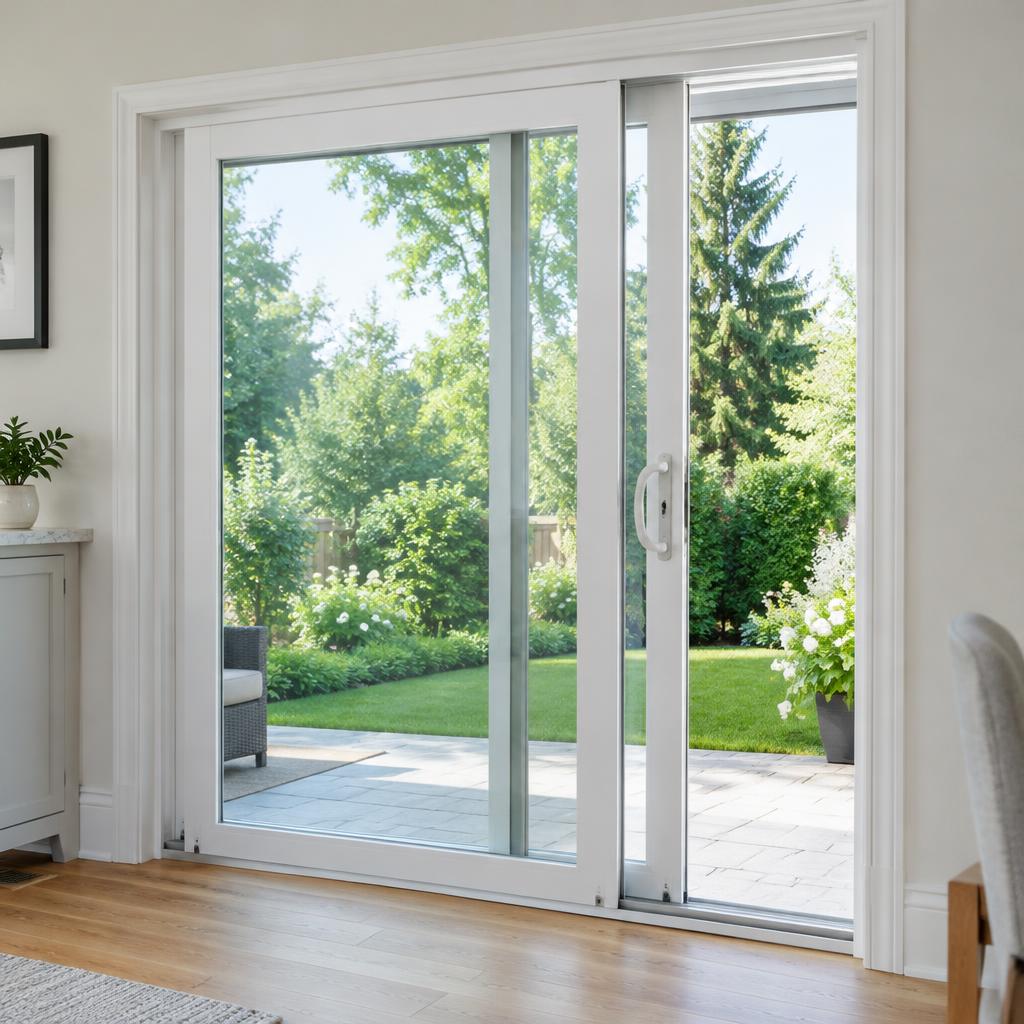
What does glass entry door repair in Winnipeg actually cover?
Glass entry doors bring natural light into a front hallway, a lobby, or a storefront, but all that glazing comes with maintenance needs a solid wood or steel door doesn't have. When people search for glass entry door repair Winnipeg, they're usually dealing with one of a few issues: a door that's hard to open or close, visible fogging between glass panes, a cracked or chipped pane, failing hardware, or a frame that has shifted and no longer seals properly.
DoorMend looks at the full assembly when assessing a glass entry door, not just the glass. That includes the frame material (often aluminum, vinyl, or fibreglass-clad), the weatherstripping, the hinges or pivot hardware, the threshold, and the locking hardware. A problem that looks like it's in the glass is often actually in the frame or hardware, so a proper assessment looks at the whole door.
DoorMend's glass entry door work focuses on door assemblies — the frame, hardware, seals, and glass units installed in those doors. Specialist or custom glass fabrication, and window repair on fixed window units elsewhere in a building, are handled separately and aren't part of this service. If your glass entry door needs a replacement insulated glass unit, availability depends on confirmed specialist capacity at the time you reach out.
Common signs your glass entry door needs attention
Many of the glass entry door problems homeowners and business owners notice in Winnipeg share a common thread: they get worse gradually, then suddenly seem urgent. Catching the early signs can mean a smaller repair instead of a full door or glass unit replacement down the road.
Some signs are purely cosmetic at first, like a slightly hazy patch in the corner of a sealed glass unit, while others are functional right away, like a door that drags on the threshold or won't latch. Either way, these are worth having looked at before Winnipeg's seasonal temperature swings make the underlying issue worse.
- Fog, mist, or a cloudy film visible between the panes of a sealed glass unit, which usually signals a failed seal letting in moisture
- A door that sticks, drags, or needs a shoulder to close, suggesting the frame or hinges have shifted
- Visible gaps around the frame where daylight or a draft is noticeable, especially along the top or latch side
- A crack, chip, or stress fracture in the glass itself, even a small one near an edge or corner
- Hardware that feels loose, a handle that wiggles, or a deadbolt that doesn't align with the strike plate
- A rattling sound in windy weather, which often points to loose glazing beads or worn weatherstripping
- Difficulty locking the door fully, or a lock that only catches when the door is pulled or pushed at an angle
- Water pooling on the interior sill after rain or snowmelt, indicating a seal or flashing failure
How does Winnipeg's climate affect glass entry doors?
Winnipeg's climate is genuinely tough on glass entry doors. Winters that regularly dip toward -30 °C put enormous stress on sealed glass units. The insulated glass relies on a sealed gap between two panes for insulation, and that seal is made of materials that expand and contract with temperature. Repeated freeze-thaw cycles slowly fatigue that seal until it fails and moisture seeps in, causing the fogging between panes that many Winnipeg homeowners eventually notice.
Dry winter air inside a heated Winnipeg home also plays a role. Low indoor humidity combined with extreme outdoor cold creates a sharp difference across the glass and frame, which can accelerate wear on weatherstripping and shrink wood or composite frame components, opening small gaps that let in drafts.
Frost heave is another regional factor. As the ground freezes and thaws unevenly around a foundation, nearby door frames can shift slightly out of square. A glass entry door is especially sensitive to this because even small frame distortion can cause a sealed panel to bind or crack under new stress.
Summers bring their own challenges, too. Humid air pushing against air-conditioned interiors puts moisture pressure on seals from the opposite direction, and road salt tracked in during slushy spring months can corrode metal hardware and aluminum frames, especially near the threshold where salt and moisture collect.
Repair or replace a glass entry door — how do you decide?
One of the most common questions Winnipeg homeowners have is whether a struggling glass entry door is worth repairing or whether it makes more sense to replace the glass unit or the whole door. The honest answer depends on several things, and an in-person or photo-based assessment is really the only reliable way to know for sure, but there are some general patterns worth understanding.
If the frame, hardware, and structure of the door are in good shape and the main issue is a failed seal causing fogging in one glass unit, replacing just that glass panel is often a reasonable option, since the rest of the door assembly doesn't need to change. Similarly, a door that sticks or doesn't latch properly because of worn hinges, a misaligned strike plate, or settled weatherstripping is frequently a repair job rather than a replacement, because those are serviceable components.
On the other hand, if the frame itself is warped, rotted (in the case of wood-framed units), or has been damaged by long-term moisture intrusion, repair may only be a temporary fix. A door with multiple compounding issues — cracked glass, a failing frame, and worn hardware all at once — often reaches a point where the cost and effort of repeatedly repairing individual parts starts to approach what a full replacement would cost, and at that point replacement becomes the more sensible long-term option.
Age matters too. An older glass entry door that has already had its glass unit replaced once and is now showing frame wear as well is a different conversation than a five-year-old door with a single failed seal. DoorMend's assessment process is built around giving you the realistic options for your specific door, rather than defaulting to the most expensive answer.
What happens during a glass entry door assessment and repair?
A typical glass entry door assessment starts with understanding what you're experiencing: is the door hard to operate, is there visible fog or damage in the glass, is there a draft, or some combination? A technician examines the panel, frame, hinges or pivot hardware, weatherstripping, threshold, and glass to identify the real source of the problem rather than just the symptom.
For hardware and alignment issues, repair usually involves adjusting or replacing hinges, tightening or replacing loose fasteners, realigning the strike plate, and replacing worn weatherstripping to restore a proper seal. For frame issues caused by settling or frost heave, this can involve re-squaring the frame where possible or addressing the specific point where it has shifted.
When a sealed glass unit has failed and is fogging, the typical approach is replacing the glass unit within the existing frame, provided the frame is sound. This requires carefully removing glazing beads, extracting the failed unit, and installing a correctly sized replacement with fresh sealant and glazing materials. Because this involves full glass unit fabrication and handling, availability depends on confirmed specialist capacity.
Throughout, the goal is restoring proper function and a tight seal against Winnipeg's weather, not just a cosmetic fix.
Glass entry door frame materials: aluminum, vinyl, steel, and fibreglass
Glass entry doors come in a range of frame materials, each behaving a little differently in Winnipeg's climate. Aluminum frames are common in commercial storefront-style entries and are valued for their slim profile, but aluminum conducts cold efficiently, which can lead to interior condensation during cold snaps if the frame's thermal break isn't performing well.
Vinyl-framed glass entry doors are more common residentially and handle temperature swings reasonably well, though vinyl can become brittle in extreme cold, worth noting if a vinyl component needs work during a deep-winter repair.
Steel-framed or steel-clad glass entry doors offer strength and security but are prone to surface rust if the finish is scratched, particularly where road salt and moisture collect near the base. Fibreglass-clad frames, a composite material rather than true glass, resist warping and don't conduct cold or heat the way metal does, making them a comfortable match for a glass-paned entry door in a region with this much temperature swing.
Whatever the frame material, the glass itself in most entry doors is a sealed insulated unit, often with safety glazing on at least one layer. Any work involving cutting, replacing, or handling that glass should be done by someone trained to do it safely.
What affects the cost of glass entry door repair in Winnipeg?
DoorMend doesn't publish fixed prices for glass entry door repair because the right approach, and its cost, depends on what's actually wrong with your door. Still, several factors generally influence cost and can help you anticipate what a quote might consider.
The scope of the repair is the biggest factor: adjusting hinges and replacing weatherstripping is a smaller job than removing and replacing a full sealed glass unit. The size and type of glass matters too, since larger panes, decorative or textured glass, and units with safety glazing requirements take more effort to source and install than a standard clear pane.
The condition and material of the frame plays a role as well. A frame that just needs adjustment is simpler than one with rot, corrosion, or warping needing attention before new hardware or glass can go in. Accessibility matters too — a ground-level entry door is typically more straightforward than a glass door on an upper floor of a condo or commercial building.
Whether the job needs standard parts or a custom-sized glass unit also affects cost, since custom glass usually takes longer to source. Because of these variables, DoorMend's process starts with an assessment: you describe the problem and send photos, and that's what allows for a realistic discussion of options and cost for your door.
What can I check myself, and when should I call a professional?
A homeowner or business owner can reasonably check a few things on a glass entry door before reaching out, and knowing the difference between a safe self-check and a job for a trained technician saves back-and-forth.
It's reasonably safe to visually inspect weatherstripping for obvious gaps or wear, check whether hinge or strike plate screws have worked loose and gently tighten them, and clean the threshold and track of dirt, salt residue, and debris causing it to stick. You can also simply observe and describe what you're seeing — where drafts come from, whether fog appears only at certain temperatures, or whether the door binds at the top, bottom, or middle — since this detail is genuinely useful for an assessment.
Any work involving the glass itself should be left to a trained technician. Glass entry doors frequently use tempered or safety glazing, and handling or replacing that glass without the right training and equipment carries real risk of injury and can compromise the door's safety performance if done incorrectly. If your glass entry door is part of an automatic or powered entry system, or includes access control or panic hardware, that work shouldn't be attempted as a DIY project, and availability for that specialist work through DoorMend depends on confirmed specialist capacity. If you're ever unsure whether something is a simple check or a job for a professional, it's safer to stop and ask.
Maintaining a glass entry door to prevent repeat problems
A bit of regular maintenance goes a long way toward preventing glass entry door problems from coming back, especially given how hard Winnipeg's seasonal swings are on these doors. Keeping the threshold and track clear of dirt, ice, and road salt buildup through the winter and spring helps prevent both physical obstruction and the slow corrosion that salt causes on metal hardware and frame components.
Checking weatherstripping each fall before the cold really sets in, and again each spring, helps catch wear before it turns into a draft or a moisture problem. Lubricating hinges and pivot hardware periodically (with a product suited to the hardware finish) keeps the door operating smoothly and reduces strain on the frame from a door that has to be forced open or shut.
Keeping indoor humidity at a reasonable, consistent level during winter can also help reduce the temperature and moisture stress on sealed glass units, since extreme swings between very dry indoor air and frigid outdoor air are part of what fatigues glass seals over time. Finally, addressing small issues — a slightly sticking door, a bit of visible fog starting in a corner of the glass, a loose handle — while they're still minor tends to be far simpler than waiting until the frame has shifted significantly or the glass unit has fully fogged over.
Glass entry doors for homes vs. businesses and condos
Glass entry doors show up across Winnipeg, from a single-family home's front entry to a condo lobby to a downtown storefront, and the considerations differ by setting. A homeowner's main concerns are usually comfort, energy efficiency, and curb appeal — a drafty or foggy glass entry door is both an eyesore and a source of heat loss in a cold-climate home.
Condo buildings and multi-unit properties often see heavier daily traffic through shared glass entries, accelerating wear on hinges, closers, and hardware. Shared entryways also tend to be a higher priority to keep functional since they affect every resident, not just one household.
Commercial and storefront glass entry doors near downtown Winnipeg and other business districts face frequent opening and closing and a greater emphasis on a clean, professional appearance. A foggy or damaged glass pane at a business entrance reflects on the business, which often motivates a quicker repair timeline. Across these settings, the technical considerations around frame materials, seals, and Winnipeg's climate are largely the same — mainly the usage pattern and urgency shift.
Common questions about glass entry door repair
Can a foggy glass pane in my entry door be fixed without replacing the whole door? In most cases, yes — if the frame and hardware are sound, the typical approach is to replace just the sealed glass unit rather than the entire door assembly.
Why does my glass entry door only stick in the winter? Cold temperatures can cause frame materials to contract slightly and can make weatherstripping stiffer, both of which can change how a door fits its frame compared to warmer months. Frost heave affecting the surrounding frame can also contribute.
Is a cracked glass pane in an entry door dangerous to leave for a while? A cracked pane, even a small one, can be a safety and security concern and may worsen with further temperature changes, so it's best not to leave it unaddressed longer than necessary.
Does DoorMend repair window glass as well as entry door glass? No — DoorMend's work is focused on door assemblies. Window repair on fixed window units is a separate service and isn't something DoorMend offers.
Can I get a quote without an in-person visit first? You can start by describing the problem and sending photos of your glass entry door; that information is what allows for an initial assessment and a discussion of realistic options, keeping in mind that an enquiry at this stage is not a booking.
How do I request a quote for glass entry door repair in Winnipeg? Reach out with a description of the issue — whether that's fogging, a draft, a sticking door, or damaged glass — along with photos from a few angles, including the frame and any visible damage. From there, an assessment helps determine the realistic repair or replacement options for your specific door before anything is scheduled.