What does front door repair in Winnipeg actually cover?
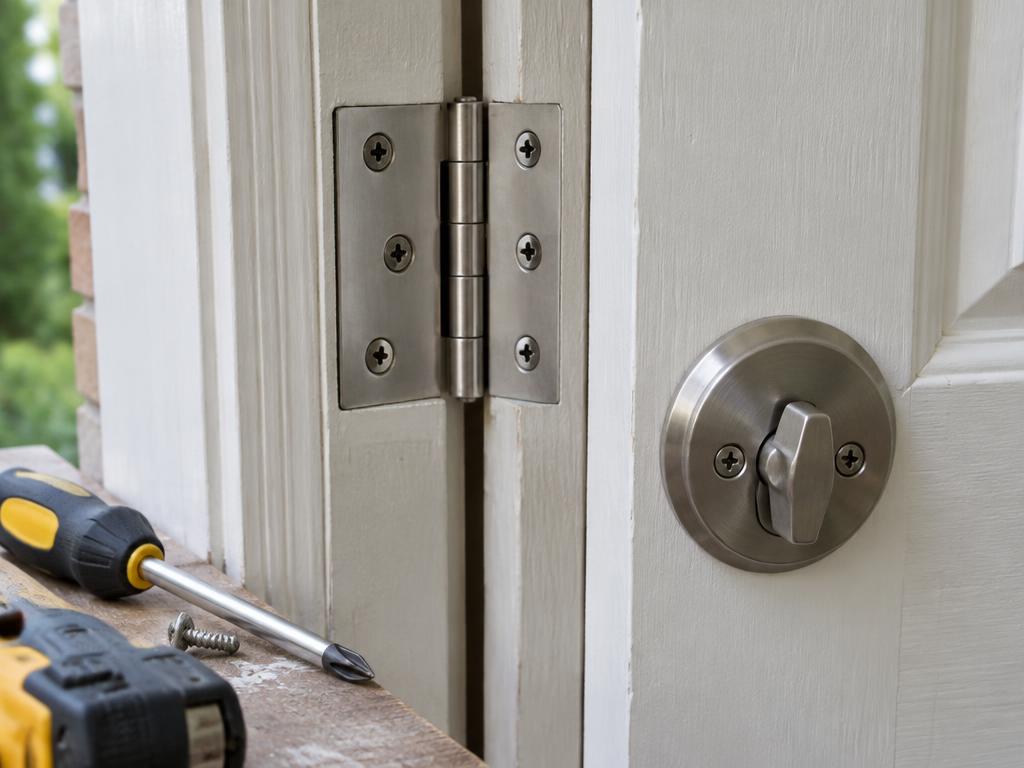
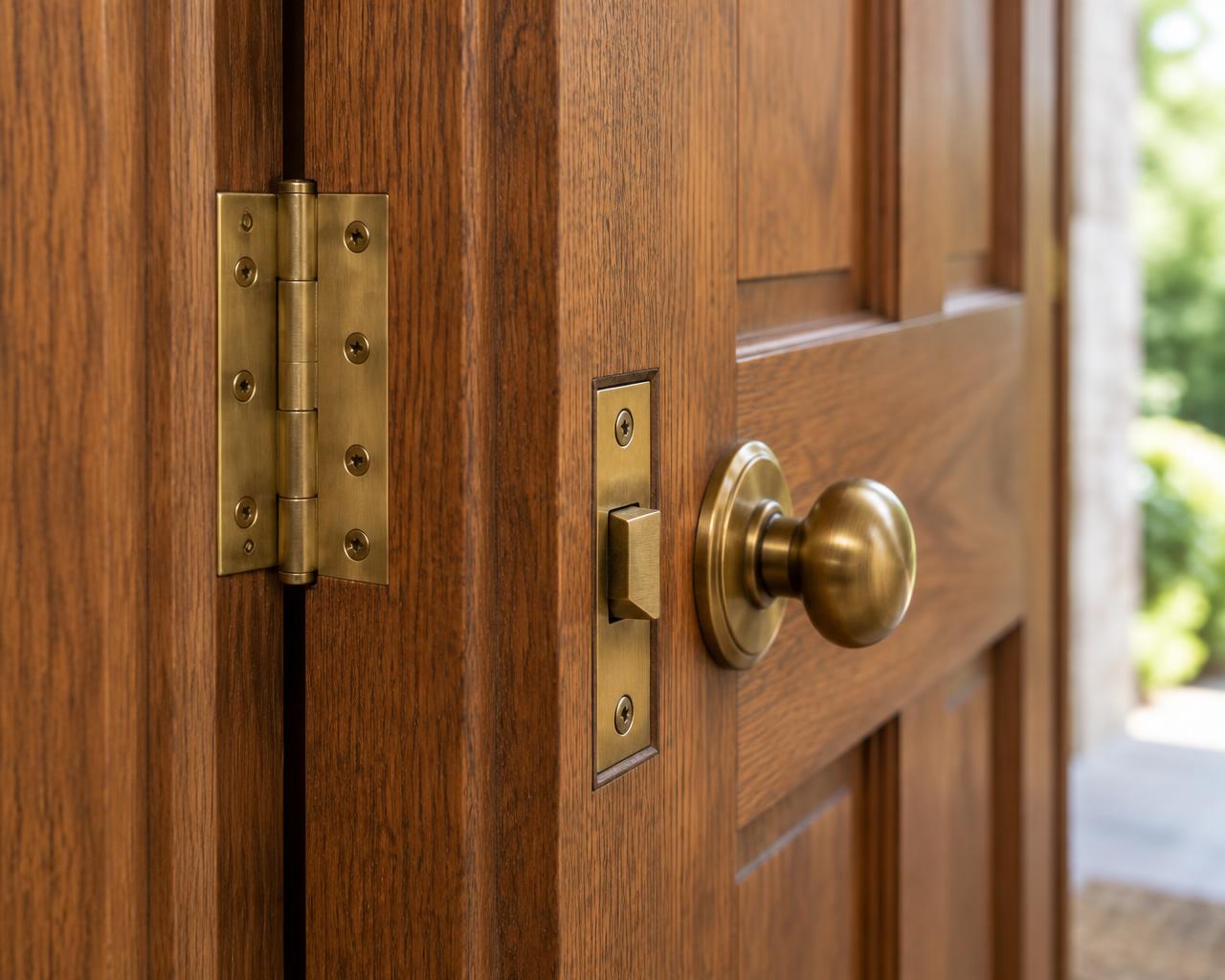
Front door repair covers the full range of problems that stop a main entry door from opening, closing, locking, or sealing properly. That includes doors that stick in the frame, doors that have dropped on their hinges, weatherstripping that has failed, thresholds that have rotted or rusted, frames that have shifted, and hardware such as deadbolts, handlesets, and closers that no longer line up or operate smoothly. Front door repair in Winnipeg also often means addressing a door slab itself, whether it is wood, steel, or fibreglass, when the surface has warped, delaminated, or cracked.
Because the front door is the most used entry on most homes, and the one most exposed to weather, wear shows up faster here than on side or patio doors. An assessment usually starts with the whole system: slab, frame, hinges, strike plate alignment, weatherstripping, and threshold, since a problem that looks like a lock issue is frequently a frame or hinge issue instead.
Homeowners searching for front door repair near downtown Winnipeg or in surrounding neighbourhoods are usually dealing with one or more of: a door that will not latch, a door that lets in a draft, a door that has become hard to lock and unlock, or visible damage from age, weather, or an attempted break-in. DoorMend looks at the whole opening rather than swapping one part and hoping the rest holds up.
- Door slab repair or refinishing for wood, steel, and fibreglass entry doors
- Frame repair where wood has rotted or shifted out of square
- Hinge adjustment or replacement when a door sags
- Weatherstripping and threshold replacement for draft control
- Deadbolt, handleset, and strike plate alignment
Common signs your front entry door needs attention
The most common complaint is a door that sticks, either dragging along the floor or catching on the frame partway through its swing. This is usually a sign that the door has dropped slightly on its hinges or that the frame has racked out of square, which happens gradually as a house settles or as humidity swings pull wood fibres apart over the seasons.
Another frequent sign is a deadbolt that is hard to turn or will not throw at all unless the door is pulled or pushed in a certain direction. That almost always points to misalignment between the bolt and the strike plate rather than a failed lock mechanism, though in some cases the lock hardware itself has simply worn out after years of daily use.
Visible gaps of daylight around the edges of a closed door, a rattling door in windy weather, or a noticeable draft at floor level in winter all point to worn or missing weatherstripping and a threshold that no longer seals. Cracking or splitting on a wood door's surface, or bubbling paint and rust streaks on a steel door, are signs the slab itself is deteriorating and may need more than a simple adjustment.
- Door drags on the floor or sticks in the frame
- Deadbolt is stiff, hard to align, or will not fully throw
- Visible daylight or drafts around the closed door
- Cracked, warped, or delaminating door surface
- Door rattles in wind or does not sit flush in the frame
How Winnipeg winters cause front door problems
Winnipeg's climate is hard on exterior doors in ways that many homeowners do not expect. Deep freeze-thaw cycles cause wood frames and door slabs to expand and contract repeatedly, which loosens screws, widens gaps, and eventually pulls hinges away from the jamb. A door that closed perfectly in September can bind or gap by January simply because the materials around it have moved.
Extreme cold down to minus thirty degrees also stiffens weatherstripping, making rubber and foam gaskets brittle and prone to tearing or compressing permanently so they no longer spring back to seal the gap. Metal components such as steel door skins and hinge pins contract in the cold too, which can change how smoothly a door swings and how well a deadbolt lines up with its strike plate.
On top of the cold, dry winter indoor air pulls moisture out of wood doors and frames, sometimes causing shrinkage and warping that is the opposite of the swelling that happens in Winnipeg's humid summers. That seasonal back and forth is one of the biggest reasons wood front doors in particular need periodic adjustment here, far more than they would in a milder, steadier climate.
Frost heave is another local factor. As the ground around a foundation freezes and shifts, exterior door frames anchored nearby can move slightly out of square, which throws off a previously well-fitted door. Road salt tracked in on boots can also accelerate corrosion on steel thresholds, hinges, and hardware near a front entry over time.
What happens during a front door assessment and repair?
A typical assessment starts by watching how the door operates through its full range of motion, checking for binding points, and inspecting the hinges, frame, threshold, and weatherstripping for wear or damage. Technicians also check whether the frame itself is still square, since repairs that only address the door slab will not hold if the frame has shifted.
From there, the plan depends on what is found. Minor sticking is often resolved with hinge adjustment, shimming, or planing a high spot on the door edge. A failing deadbolt alignment may only need a strike plate adjustment or a longer screw set to re-anchor the hinge into solid wood. More involved repairs can include replacing rotted sections of a frame, swapping out a damaged threshold, or installing new weatherstripping along the full perimeter of the door.
When the door slab itself has significant damage, such as deep warping, delamination on a fibreglass or steel door, or extensive rot on a wood door, the assessment will outline whether a localized repair is realistic or whether the slab should be replaced while keeping the existing frame if it is still sound. Every option is explained before any work proceeds, since the right fix depends heavily on the specific damage and the age and construction of the door.
Repair or replace a damaged front door?
Whether a front door should be repaired or replaced depends on where the damage is and how far it has progressed. A door with a sagging hinge, a misaligned lock, or worn weatherstripping is almost always a repair candidate, since those are isolated, fixable problems that do not affect the structural integrity of the slab or frame.
Replacement becomes the more sensible option when rot has spread through a wood frame in multiple places, when a steel door's core has rusted from the inside out, when a fibreglass skin has delaminated extensively, or when warping is severe enough that the door can no longer seal regardless of adjustment. In these cases, repeated repairs tend to be a short-term fix for a problem that keeps coming back.
Age and prior repair history matter too. A front door that has already had several rounds of patchwork fixes over many years may be closer to the end of its practical service life, while a newer door with an isolated issue is usually worth repairing. An assessment can lay out both paths with their trade-offs so the decision is based on the specific door rather than a guess.
What affects the cost of front door repair?
The cost of front door repair varies quite a bit because it depends on what exactly is wrong and how much of the door system is affected. A simple hinge adjustment or weatherstripping replacement is a smaller job than repairing a rotted frame section or replacing a damaged slab, so cost scales with the scope of work required.
Material also plays a role. Solid wood doors often require more labour-intensive repair techniques, such as filling, sanding, and refinishing, compared to steel or fibreglass doors where a damaged component might be swapped more directly. Custom sizes, decorative glass inserts, or older hardware that is harder to source can also add time to a job.
Access and the condition of surrounding materials factor in as well. If a frame has shifted and needs to be brought back into square before a door will operate properly, that is more involved than adjusting a door that already hangs in a straight frame. The best way to understand cost for a specific situation is through a proper assessment, since estimating over the phone without seeing the door tends to be unreliable.
- Scope of the repair, from a single hinge to a full frame rebuild
- Door material: wood, steel, or fibreglass
- Condition of the surrounding frame and threshold
- Whether matching hardware or finishes need to be sourced
- Accessibility of the entry and any related carpentry work
What can a homeowner check before calling for repair?
There are a few simple things a homeowner can look at before requesting service. Checking whether screws in the hinges and strike plate are loose is safe and can sometimes be tightened with a screwdriver to temporarily improve how a door sits. Looking at the weatherstripping around the door for obvious tears, gaps, or flattened sections is also something most people can do without tools.
It also helps to note when the problem happens: does the door stick only in winter, only after rain, or all the time? Does the deadbolt only fail to throw when the door is pushed one way? These details are genuinely useful for an assessment and cost nothing to observe.
That said, homeowners should stop short of removing a door from its hinges, forcing a stuck deadbolt with extra pressure, or attempting to reshape a warped slab, since these actions can damage hardware or injure someone if the door is heavier or more awkward than expected. Any sign of structural rot in a frame, or a door that will not close at all, is a sign to leave the diagnosis and repair to a trained technician.
Maintenance tips to keep a front door working smoothly
Regular maintenance goes a long way toward preventing the common front door problems that show up in Winnipeg homes. Lubricating hinges once or twice a year, particularly before winter, helps hardware handle temperature swings without binding. Inspecting weatherstripping each fall and replacing it when it has lost its spring is one of the simplest ways to stop drafts and reduce strain on the door's seal.
For wood doors, periodically checking the finish for cracks or thinning and resealing exposed wood helps manage the swelling and shrinking that comes with Winnipeg's humidity swings between summer and winter. For steel and fibreglass doors, keeping an eye out for scratches or chips in the surface finish and addressing them early can prevent moisture from reaching the core material underneath and causing rust or delamination.
It is also worth checking the threshold seasonally for wear, since this is a high-contact area that takes abuse from foot traffic, salt, and moisture. Addressing small issues as they appear, rather than waiting for a door to stop closing altogether, tends to be far less involved than fixing a problem that has had years to get worse.
Front door repair for homes versus businesses and condos
Front door repair needs look a bit different depending on the setting. A single-family home typically has one main entry door that gets daily use by a small number of people, so wear tends to build slowly and repairs are usually about restoring comfort, security, and a tight seal.
Businesses and condo or apartment buildings often have front doors that see far more daily traffic, which accelerates wear on hinges, closers, and locking hardware. In shared or commercial settings, there can also be building management or condo board approval involved before work proceeds, and any shared entry may need scheduling around tenant or customer access.
Commercial and multi-unit front entries sometimes include features like automatic closers, panic hardware, or access control readers integrated with the door. Work involving those specialized systems depends on confirmed specialist capacity, since they are a different category of equipment from a standard residential entry door repair.
Frequently asked questions about front door repair
Why does my front door only stick in the winter? This is usually a combination of frame movement from freeze-thaw cycles and weatherstripping that has stiffened or compressed in the cold, rather than a problem with the door itself. An assessment can confirm which factor is the main cause.
Can a warped front door be fixed without replacing it? Sometimes, if the warping is mild and the core structure is sound, but significant warping in wood, steel, or fibreglass doors often cannot be fully corrected and replacement of the slab may be the more lasting option.
How long does a front door repair usually take? It depends entirely on scope, from a quick hardware adjustment to a longer job involving frame or slab work, and that timeline is part of what an assessment will outline.
Is it normal for a front door to need yearly adjustment in Winnipeg? Given the scale of our seasonal temperature and humidity swings, periodic adjustment is common and not a sign that something was done incorrectly the first time.
Does DoorMend repair glass inserts or sidelights on a front door? Decorative glass elements can be part of a front entry system, but specialist glass work depends on confirmed specialist capacity separate from standard door repair.
How to request a front door repair quote from DoorMend
Requesting a quote starts with describing the problem as clearly as possible: what the door does or does not do, when the issue started, and whether it is tied to weather or temperature. Details like whether the deadbolt catches, whether the door drags on the floor, or whether there is visible damage all help frame the initial picture before anyone sees the door in person.
Sending photos of the door, the frame, the hinges, and any visible damage or gaps is one of the most useful things a homeowner or property manager can do when submitting an enquiry. Photos taken from a few angles, including close-ups of hardware and the gap between the door and frame, give a much clearer starting point than a description alone.
From there, an assessment is what determines the actual repair options and scope of work for that specific door. An enquiry through DoorMend's contact form is a request for that assessment, not a booking or a confirmed appointment, and next steps are arranged after the details and photos have been reviewed.