What does storm door installation in Winnipeg actually involve?
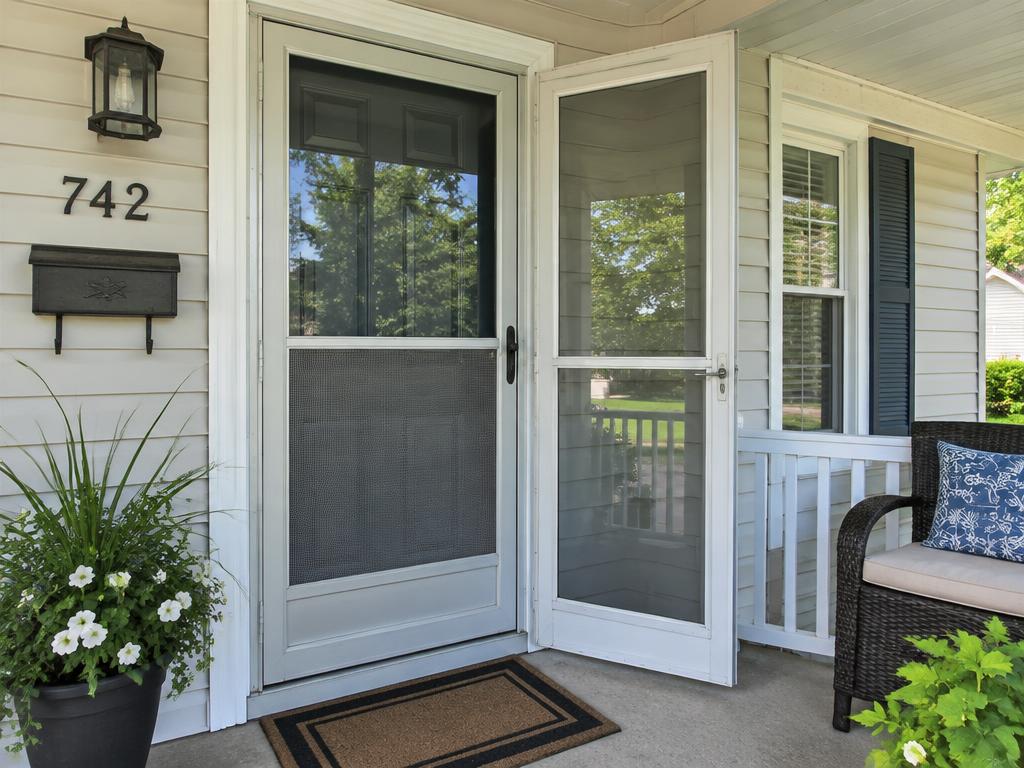
Storm door installation is the process of fitting a secondary door, usually glass and screen combination, in front of an existing exterior entry door. In Winnipeg, where winters bring extended stretches of extreme cold and summers bring humidity and insects, a storm door adds a layer of protection that a single entry door often cannot provide on its own. The storm door sits in its own frame, mounted to the existing door casing, and is designed to work alongside the primary door rather than replace it.
A proper installation starts with measuring the opening carefully, since even small gaps between the storm door frame and the house framing can let in drafts or moisture. The frame is then fitted, levelled, and fastened so the door hangs square and the closer mechanism works smoothly. Hardware such as handles, latches, and pneumatic closers are attached, and weatherstripping is checked to ensure a tight seal against wind-driven snow.
Homeowners across Winnipeg request storm door installation for a mix of reasons: adding curb appeal, improving ventilation in summer, reducing heat loss in winter, and protecting a newer or higher-value entry door from direct exposure to the elements. Whatever the motivation, the installation itself needs to account for the specific shape and condition of the existing door frame, which is rarely perfectly square in older Winnipeg homes.
Signs your home could benefit from a new or replacement storm door
Not every home needs a storm door, but there are some clear indicators that one would help. If you notice cold drafts near the front entry even with the main door closed, or if your entry door shows signs of wear from sun and weather exposure, a storm door installation Winnipeg homeowners often choose can extend the life of that primary door considerably.
Existing storm doors that no longer close properly, have cracked or fogged glass panels, sagging screens, or a closer arm that slams the door shut are also strong candidates for replacement rather than repair. A storm door that no longer seals against the frame is doing very little to stop winter air infiltration, which somewhat defeats its purpose.
- Visible daylight or airflow around the storm door frame when closed
- Glass panel is cracked, pitted, or the seal between panes has failed and fogged
- Door does not latch securely or has become difficult to open and close
- Screen is torn, loose, or missing entirely
- Frame has warped, rusted, or separated from the house at the corners
How Winnipeg's climate affects storm doors and their installation
Winnipeg's climate is one of the more demanding environments in the country for exterior doors. Temperature swings from well above freezing to -30 °C and colder within the same season cause materials to expand and contract repeatedly. Over time, this cycle can loosen fasteners, shift frames slightly out of square, and stress weatherstripping until it no longer compresses evenly.
Dry winter air also plays a role. Low indoor and outdoor humidity during the coldest months can cause wood components in a storm door frame to shrink slightly, which sometimes opens small gaps that let in cold air. In summer, the reverse happens: humidity causes wood to swell, and a door that fit well in January can feel tight and sticky in July.
Frost heave is another factor specific to this region. As the ground freezes and thaws, foundations and the door framing attached to them can shift by small amounts season to season. An installation that accounts for some adjustability, rather than being fastened in a perfectly rigid way, tends to hold up better against this gradual movement. Road salt tracked in on footwear can also accelerate corrosion on aluminum or steel storm door frames and hardware near entryways, so material choice and placement of the closer and hinges matter in this climate.
Step by step: what a storm door installation typically involves
A typical storm door installation begins with an assessment of the existing entry door opening, including checking whether the frame is square, whether the brick moulding or trim is in good condition, and confirming the rough opening dimensions match the door being installed. Any irregularities in the opening need to be addressed before the new frame goes in, since fastening a storm door to an uneven surface is one of the most common causes of early failure.
Once the opening is confirmed, the storm door frame is set in place, shimmed as needed to keep it plumb and level, and secured with fasteners appropriate to the surrounding material, whether that is wood trim, vinyl siding, or masonry. The door panel is then hung on its hinges, and the closer mechanism is installed and adjusted so the door closes fully but without slamming.
Final steps include fitting the handle set, adjusting the sweep at the bottom of the door to seal against the threshold, and testing the door through a full range of motion, open and closed, to confirm the latch, closer, and any pet door or ventilation panel options are functioning as expected. A finished installation should leave the storm door closing smoothly, sealing evenly around all four sides, and operating independently of the primary entry door behind it.
Full-view glass, retractable screen, or ventilating: choosing a storm door type
Storm doors come in a few common configurations, and the right choice depends on how the entryway is used. Full-view storm doors have a single large glass panel that can often be swapped for a screen in warmer months, which suits entries that get a lot of natural light. Ventilating storm doors have separate glass and screen panels that slide independently, allowing partial airflow without removing the glass entirely.
Retractable screen storm doors roll the screen up out of the way when not needed, which some homeowners prefer for a cleaner look. Each type has slightly different hardware and frame requirements, so the choice affects not only the look of the entry but also how the installation is approached, including which closer and latch hardware is compatible.
Material matters too. Aluminum frames are light and resist rust reasonably well, especially with a factory finish, while fibreglass storm door frames, a composite material rather than glass, offer more rigidity and can better resist the warping that sometimes affects wood-core doors through Winnipeg's humidity swings.
Repair the old storm door or install a new one?
Deciding between repairing an existing storm door and installing a replacement comes down to the condition of the frame and how the problems are distributed. If the issue is isolated, such as a single cracked glass panel, a damaged screen, or a closer arm that needs adjustment or replacement, a repair is often the more sensible route and can restore full function without disturbing the frame.
If the frame itself has warped, rusted through, or separated from the house framing, or if multiple components are failing at once, a new installation tends to make more sense. A frame that no longer sits square will continue to stress new hardware installed into it, so repeatedly repairing individual parts on a compromised frame can become a cycle without a lasting fix.
An on-site assessment is the most reliable way to tell which category a given storm door falls into, since photos and a description of the symptoms can only go so far in judging the condition of the frame and its attachment to the house.
What affects the cost of storm door installation in Winnipeg
Several factors influence what a storm door installation project costs, without a flat number applying to every home. The size and shape of the opening, whether the existing trim needs repair or replacement before the new door can be fitted, and the type of door selected (full-view, ventilating, or retractable screen) all play into the scope of work.
Material choice is another variable: aluminum, steel, fibreglass, and wood-core storm doors differ in price and in how much preparation their installation requires. The condition of the existing frame and house structure also matters, since an opening that is out of square or has deteriorated trim will need more adjustment work than a straightforward, square opening.
Access and location can factor in as well, particularly for condos, businesses, or multi-unit buildings where the entry may have different hardware requirements or building considerations compared with a single-family home. Because of all these variables, DoorMend reviews each situation individually rather than quoting a flat rate over the phone.
What you can check yourself before calling a professional
There are a few things a homeowner can reasonably check before deciding whether a storm door needs repair, replacement, or professional installation. Checking whether the door closes fully and latches, whether there is visible daylight around the frame when the door is shut, and whether the closer arm is loose or disconnected are all simple visual checks.
It is also reasonable to tighten visibly loose screws on hinges or the closer mount, provided they are accessible without removing structural hardware. However, adjusting or replacing the main frame, working with sealed glass units, or any task that involves taking the door off its hinges is best left to someone experienced with storm door installation, since a misaligned frame can be more difficult to correct after the fact than to get right the first time.
- Check: does the door latch fully without needing to be slammed?
- Check: is there visible light or airflow around the frame edges?
- Check: is the closer arm still attached at both ends?
- Leave to a professional: removing or resetting the door frame
- Leave to a professional: handling cracked or sealed glass panels
Maintenance tips to keep a storm door working through Winnipeg winters
Once a storm door is installed, a small amount of seasonal maintenance goes a long way toward keeping it functioning well through Winnipeg's temperature extremes. Before winter, it helps to check that weatherstripping is still making full contact around the frame and that the closer is adjusted so the door shuts completely rather than resting slightly open against the latch.
Keeping hinges and the closer mechanism lightly lubricated helps them continue moving smoothly as temperatures drop, since cold can make unlubricated metal parts stiff or sticky. Wiping down tracks and sills to remove grit and road salt residue tracked in from footwear also reduces the corrosion risk on aluminum and steel components over time.
In spring, it is worth rechecking the frame for any movement that may have occurred over winter due to frost heave, and confirming the screen or glass panel still sits correctly in its channel. Addressing small issues as they appear, rather than waiting until the door no longer closes at all, tends to keep a storm door in service longer.
Storm doors for homes versus condos and businesses in Winnipeg
Storm door installation looks a little different depending on the type of building. Single-family homes generally have more flexibility in door style, colour, and configuration, since the choice only needs to suit the homeowner's preferences and the existing entry trim.
Condominiums and multi-unit buildings often have building standards that restrict the style, colour, or even whether a storm door can be installed at all on a shared entryway, so it is worth checking those requirements before planning an installation. Businesses may have additional considerations around door width, traffic patterns, and how a storm door interacts with existing entry hardware, especially at entrances used frequently throughout the day.
In all of these settings, an on-site assessment helps confirm what is actually possible for that specific opening, since generic product descriptions do not always reflect the realities of an individual building's entryway.
Common questions about storm door installation in Winnipeg
Does a storm door really help with heating costs in winter? A well-sealed storm door adds a layer of still air between it and the primary entry door, which can reduce drafts at the entryway, though the overall effect depends on the condition of the primary door and the quality of the installation.
Can a storm door be installed on any entry door? Most standard entry door openings can accommodate a storm door, but older homes with non-standard trim or an out-of-square opening may need some adjustment work first, which is something an assessment will identify.
How long does a storm door installation take? Timeframes vary depending on the condition of the existing opening and whether any trim repair is needed, so it is best discussed as part of an individual assessment rather than assumed in advance.
What is the difference between a storm door and a screen door? A storm door typically combines a glass panel with a separate or sliding screen, offering protection from weather as well as ventilation, while a basic screen door usually offers screen only.
How do I get started with a storm door installation quote from DoorMend? The simplest way to begin is to describe the entry door and the issue or goal, such as drafts, an old door that no longer closes, or wanting added protection for a new entry door, and to send a few photos of the opening from inside and outside. From there, an assessment helps determine what options suit that specific entryway, keeping in mind that submitting an enquiry is a request for information and not a booking.