What does commercial door replacement cover in Winnipeg?
Commercial door replacement means swapping out an existing door, and sometimes its frame, for a new one at a Winnipeg business, office, retail unit, warehouse, or condo common area. This differs from a repair in that the whole door, or the door and frame together, is taken out and replaced rather than adjusted or patched. It also differs from new installation in that there is already an opening, wall structure, and often existing hardware context to work around.
A replacement project can be as focused as putting a new steel slab into an existing, sound frame, or as involved as removing a damaged frame along with the door and setting a new one into the wall opening. Businesses in Winnipeg typically consider replacement when a door has reached the point where repairs no longer hold, when the look or function of an entrance needs updating, or when damage from an incident has made the existing door unsafe or unusable.
Because commercial doors see much heavier daily traffic than typical house doors, replacement decisions often weigh not just the current problem but how the new door and hardware will hold up under that volume of use over the coming years.
Common signs a commercial door needs replacing, not repairing
Certain conditions tend to point toward replacement rather than another round of repair. A door slab that has delaminated, warped, or developed soft spots, especially on wood or lower-grade hollow doors, usually cannot be restored to a flat, properly sealing surface. Steel doors with rust-through at the bottom edge or frame corrosion that has weakened the metal are in a similar category.
A frame that has been bent or knocked out of square, often from a forklift, cart, or delivery impact, is another common trigger for replacement in commercial settings, since a bent frame rarely holds a door properly no matter how the slab itself is adjusted. Doors that have been repaired multiple times for the same recurring issue, such as a closer that keeps failing or a latch that keeps slipping out of alignment, often indicate an underlying frame or slab problem that only replacement will resolve.
For storefronts and lobbies, outdated or damaged glazing within an aluminum frame system, chronic drafts that persist despite new weatherstripping, or hardware that no longer matches a building's updated access control setup are also common reasons Winnipeg businesses move to full replacement.
- Door slab delamination, warping, or soft spots
- Rust-through or significant corrosion at a steel frame or door base
- A frame bent or knocked out of square from impact
- Recurring hardware failures tied to the same door
- Persistent drafts or ice buildup despite prior repairs
How Winnipeg's climate shortens the life of commercial doors
Winnipeg's wide temperature swings, from deep winter cold near or below -30 °C to warm, humid summers, put ongoing stress on commercial door assemblies. Freeze-thaw cycles cause small amounts of moisture that get into frame anchors, masonry, and concrete thresholds to expand and contract repeatedly, which over years can loosen a frame or crack a threshold even when the original installation was solid.
Dry indoor air during winter heating season can cause wood and some composite components to shrink slightly, while sudden shifts between a heated interior and a cold vestibule or loading area create condensation that collects on glass, metal frames, and hardware. That moisture, combined with road salt carried in on footwear, carts, and vehicle traffic near loading docks, accelerates corrosion on steel doors and frames faster than many owners expect.
Frost heave affects at-grade commercial entrances by shifting the ground and slab beneath a frame slightly each winter, which can throw a previously square frame out of alignment over several seasons. For businesses with loading docks or frequently propped-open doors, the constant cycling between indoor and outdoor temperatures adds extra wear to hinges, closers, and weatherstripping compared to a door that is opened only occasionally.
These conditions are a major reason commercial doors in Winnipeg often need replacement sooner than the door material alone might suggest, and they inform decisions about weatherstripping, threshold design, and anchoring when a new door goes in.
Choosing materials for a replacement: steel, aluminum, fibreglass, and more
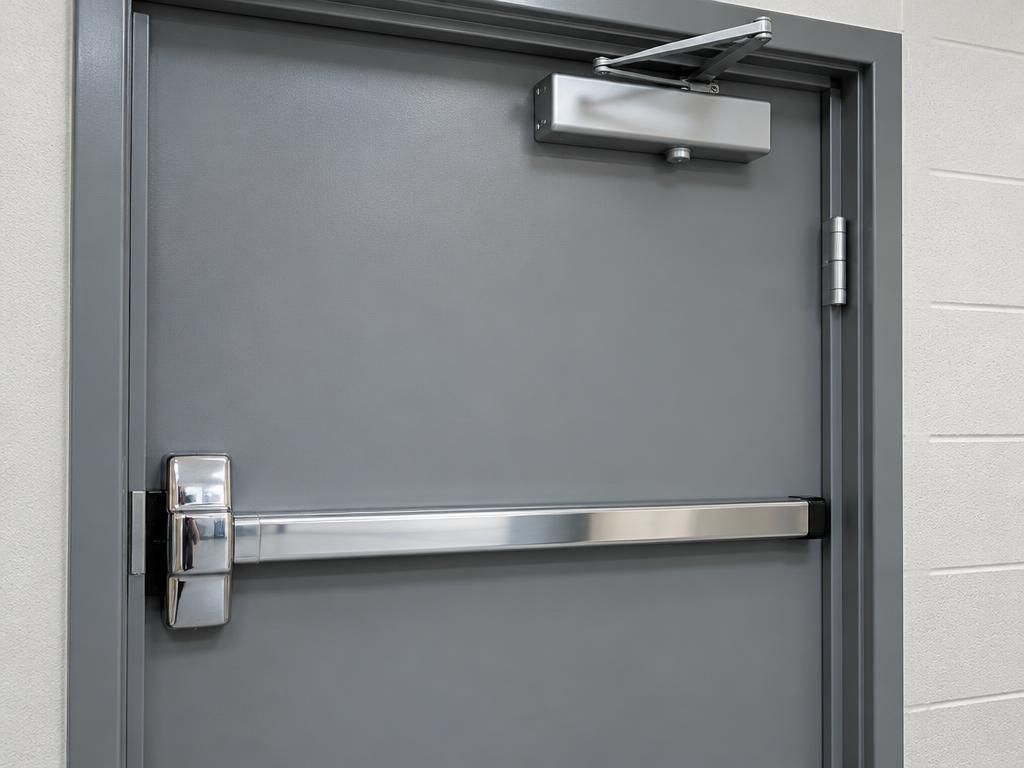
When replacing a commercial door, the material chosen often mirrors what worked, or didn't, with the previous door. Steel remains a common choice for service entrances, warehouses, and back-of-house doors because it withstands heavy daily use and can be insulated for exterior applications. If the old steel door failed due to rust, it is worth discussing drainage and threshold details during replacement so the new door is less exposed to standing moisture and salt.
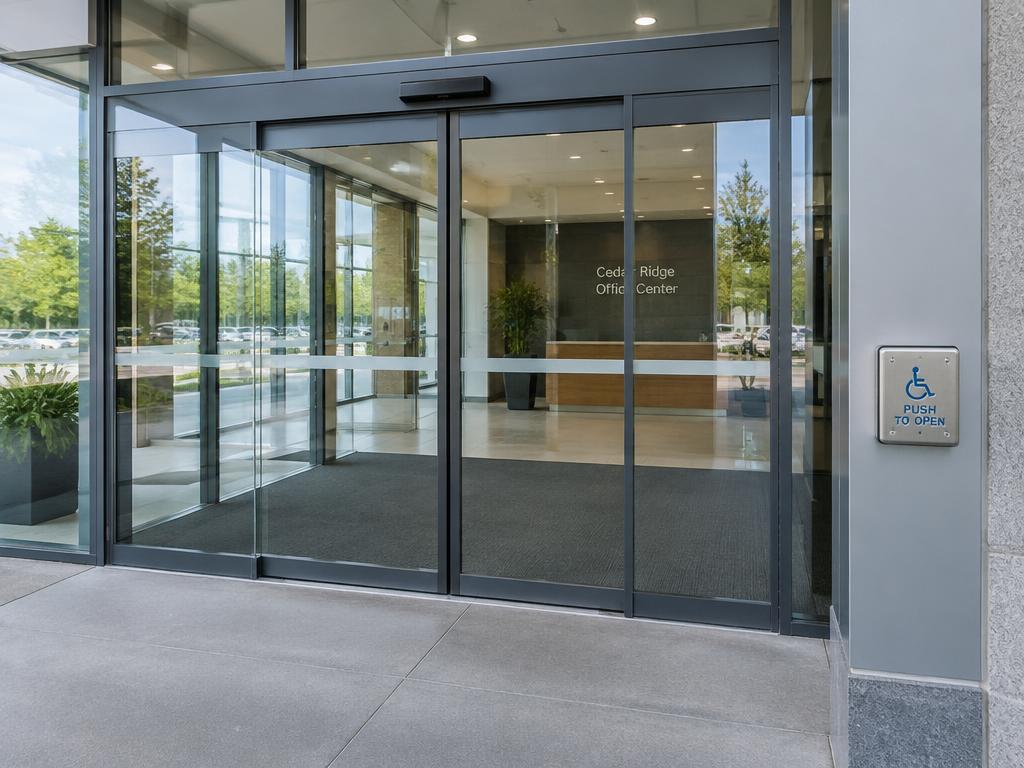
Aluminum-framed systems with glazed panels are typical for storefront and lobby replacements, since they allow visibility while supporting commercial hardware. Fibreglass, a composite material rather than glass, is sometimes chosen as a replacement for wood doors in commercial interiors where a finished look is wanted along with better resistance to humidity swings and dents than solid wood offers.
Wood commercial doors are less common for exterior replacement in Winnipeg due to the upkeep needed through humidity changes, though they still appear in some office interiors and heritage buildings. Vinyl shows up occasionally in lower-traffic interior settings but is not typical for a primary commercial entrance.
Replacing a door that involves specialist glass, an automatic or powered operator, or integrated access control and panic hardware is handled based on confirmed specialist capacity, since these systems need specific expertise beyond a standard slab-and-frame swap.
Step by step: how a commercial door replacement project works
A replacement project typically starts with an assessment of the existing door and frame to determine whether the frame can stay in place or needs to come out with the door. This step also covers measuring the opening, reviewing what hardware the business currently uses, and discussing whether that hardware should carry over or be upgraded as part of the project.
The removal stage involves taking out the old door and, if needed, the old frame, then preparing the rough opening. Setting the new frame so it is plumb, level, and square is one of the most important steps, since even a well-built door will perform poorly in a frame that is out of alignment. Once the frame is set, the new door is hung, hardware is fitted, and weatherstripping, sweeps, and thresholds are installed with Winnipeg conditions in mind.
Final adjustments typically include setting the door closer so the door closes fully and latches consistently, checking that locks and any panic hardware engage correctly, and confirming the perimeter seal is tight against drafts. For businesses, this stage often also includes a walk-through to confirm the replacement meets the expected look and function before the project is considered complete.
Where a replacement involves a fire-rated assembly, a correctly installed and labelled door and frame matter, but confirming code or fire-rating compliance remains the responsibility of the building owner or manager, not something DoorMend certifies.
Repair, patch, or full replacement: how to decide
The decision between continuing with repairs and moving to full replacement usually comes down to whether the underlying frame and slab are still sound. If a commercial door's problems are limited to hardware, such as a worn closer or a misaligned strike plate, and the frame itself is square and free of corrosion or damage, repair is often the more cost-effective path.
Replacement becomes the more sensible option once the frame has shifted, rusted, or been damaged by impact, or once the slab itself has structural issues like warping or delamination that affect sealing and security. It also makes sense when a business is changing its hardware needs significantly, such as adding panic hardware or integrating new access control, since an older frame may not easily support those upgrades.
For buildings with several doors of similar age, it can be worth assessing them together rather than one at a time, since doors installed around the same period and exposed to similar conditions tend to reach the end of their service life around the same time. This is a common consideration for condo boards managing multiple common-area entrances.
What affects the cost of commercial door replacement in Winnipeg
Several factors shape the cost of a commercial door replacement, and no two projects are quite the same. Whether the existing frame can be reused is one of the biggest factors, since replacing both the frame and door is a larger project than swapping the slab alone within a sound frame.
Material selection affects cost as well, with steel, aluminum and glass, and fibreglass options differing in price and installation complexity. The hardware specified for the replacement, including commercial-grade closers, panic hardware, or access control components, adds to both material and labour considerations.
The condition of the surrounding structure matters too: if the wall or storefront framing around the opening needs repair before a new door can be properly set, that adds to the project. Access and scheduling can also be a factor, particularly for businesses that need work done outside regular hours to avoid disrupting customers or operations, or for loading dock doors that need to stay usable during the project.
Because of these variables, DoorMend does not provide a price without first assessing the specific door, frame, and hardware involved.
- Whether the existing frame is reused or replaced along with the door
- Material choice: steel, aluminum and glass, fibreglass, or wood
- Hardware specified, including closers, panic hardware, or access control
- Condition of surrounding wall or storefront structure
- Access and scheduling needs around business operations
What can business owners check themselves before booking an assessment?
Before reaching out for an assessment, a business owner or property manager can note a few useful details. Check whether the door closes and latches on its own without being forced, look for gaps, rust, or visible damage around the frame, and note whether the problem is tied to a specific season, such as worse drafts in winter or sticking in humid summer weather.
It also helps to note the door's history, including roughly how old it is and whether it has been repaired before, along with any incident that may have caused damage, such as an impact from equipment or a delivery vehicle. Photos of the door and frame from inside and outside, including close-ups of any damaged areas, give a much clearer starting point for an assessment than a description alone.
What should not be attempted without trained technicians includes removing heavy commercial door slabs or frames, working on doors with spring-loaded or powered components, or touching any hardware tied into building access systems or electrical connections. These tasks carry real risk of injury or further damage, and electrical work specifically is outside DoorMend's scope and should be handled by a licensed electrician.
Keeping a replaced commercial door performing well through Winnipeg winters
Once a commercial door has been replaced, simple maintenance steps help it hold up through repeated winters. Clearing ice, salt, and grit from thresholds and weatherstripping keeps the seal effective and reduces wear on moving parts. Wiping down metal frames periodically, particularly near entrances exposed to salted walkways or parking areas, helps slow corrosion before it starts.
It is worth checking door closer adjustment again a season or two after replacement, since a building can settle slightly and change how the door swings or latches. On high-traffic storefront and office doors, periodically checking that hinge and hardware screws remain tight catches small issues early.
In summer, Winnipeg's humidity can affect wood doors more than steel, aluminum, or fibreglass, so any wood components in a commercial setting may need attention to finish and sealing to avoid swelling. Keeping a simple seasonal maintenance routine, even an informal one, for a replaced commercial door helps it continue sealing and operating well for longer.
Replacing doors for condos, offices, and multi-tenant commercial buildings
Condo boards and property managers often replace shared entry doors that see constant use from residents, visitors, and delivery traffic, which means replacement decisions need to account for far more daily cycles than a single-family home door experiences. Scheduling a replacement for a shared entrance generally needs coordination so residents are not left without working access longer than necessary.
Office buildings and retail tenants have their own factors to weigh, such as keeping a storefront replacement consistent with the rest of a building's appearance, or making sure new hardware works with an existing building-wide access control system. In mixed-use or multi-tenant buildings, interior doors near common areas sometimes carry fire-rating expectations that influence what can be installed as a replacement, though confirming code compliance stays with the building owner or manager rather than being something DoorMend certifies.
Whether the replacement is a single back-office door or a full storefront system, describing how the door is used, who uses it, and how often helps an assessment recommend hardware and materials suited to that level of traffic.
Frequently asked questions about commercial door replacement
How do I know if my commercial door needs full replacement or just a repair? Generally, if the frame is still square and sound and the problem is limited to hardware or weatherstripping, repair is often enough. If the frame or slab itself is damaged, rusted, or warped, replacement is usually the more lasting fix.
How long does a commercial door replacement take in Winnipeg? Timing depends on whether the frame is being replaced along with the door, the materials and hardware involved, and site access, so it can range from a shorter single-door job to a longer project for a full storefront system.
Can I keep my existing hardware when replacing a commercial door? Sometimes, particularly if it is in good condition and compatible with the new door and frame, though this is confirmed during the assessment rather than assumed beforehand.
Does DoorMend replace automatic or access-controlled commercial doors? Availability for automatic operators, access control integration, and panic hardware depends on confirmed specialist capacity given the specific expertise these systems require.
Will replacing my commercial door disrupt my business hours? Scheduling around operating hours is something to discuss as part of the assessment, since minimizing disruption is often a priority for commercial and retail clients.
Is requesting a quote the same as scheduling the replacement? No. An enquiry starts the conversation about your door and its condition; an assessment is needed afterward to determine the actual options and scope before any work is booked.
How should I request a quote for commercial door replacement in Winnipeg? Describe the door's condition and location within the building as specifically as you can, note any hardware details, and send photos from a few angles, including the frame and any visible damage. That gives an assessment a solid starting point before a site visit is arranged.