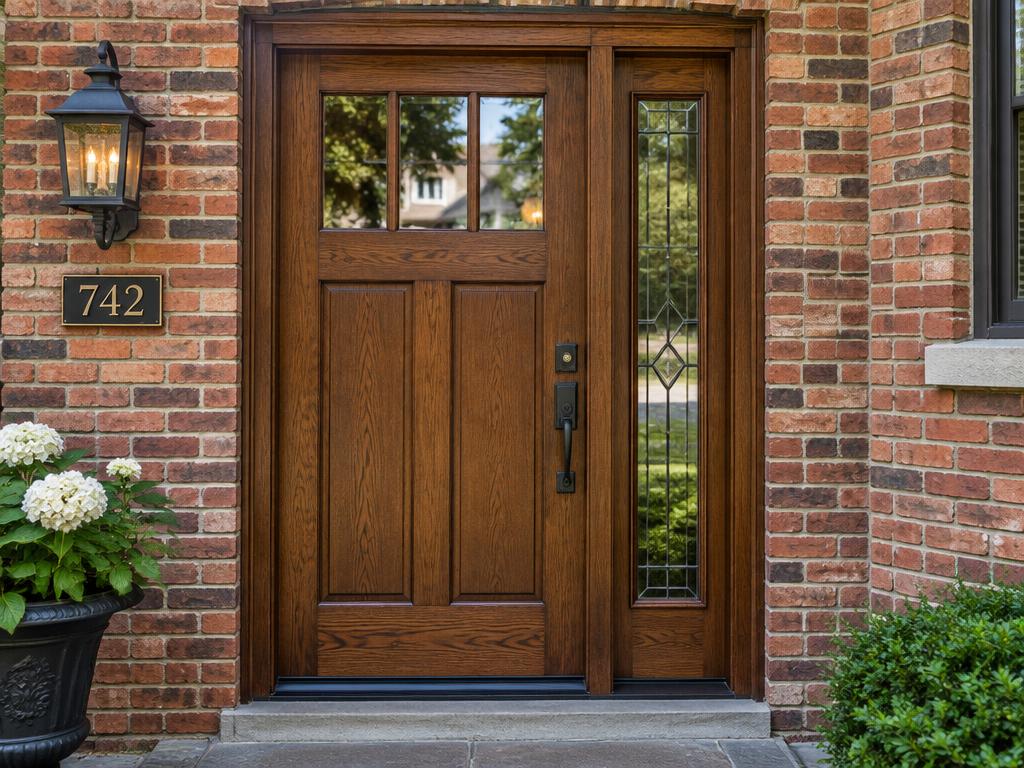
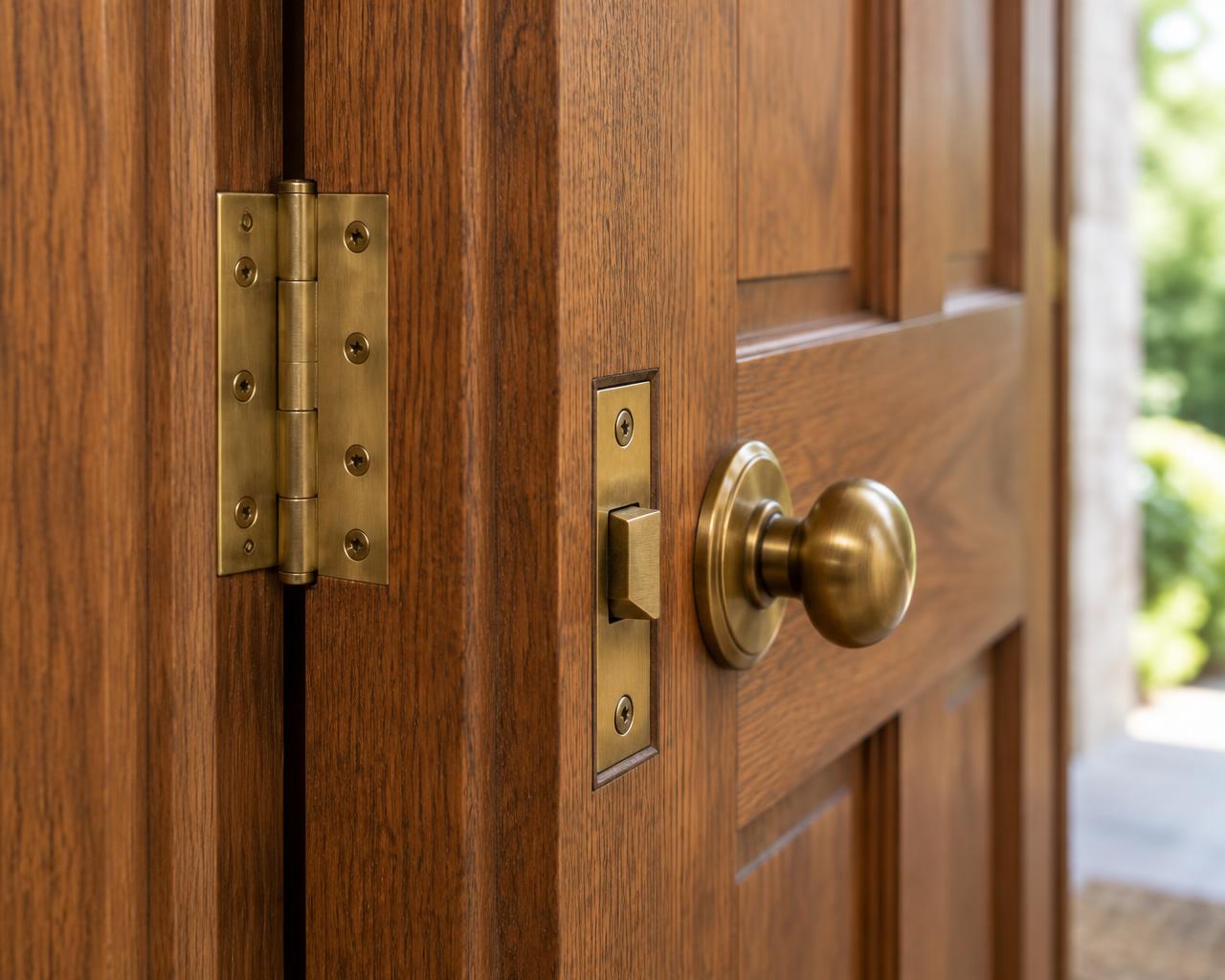
What does weatherstripping and threshold repair in Winnipeg actually cover?
Weatherstripping and threshold work covers the strips, sweeps, bulb seals, and sill plates that close the gap between a door slab and its frame. On an exterior door this includes the compression seal around the jamb and head, the door sweep along the bottom edge, and the threshold itself, which is the metal, wood, or composite sill the door closes against at floor level. When any of these parts wear out, shrink, or crack, cold air, dust, insects, and moisture find their way straight into a Winnipeg home or business.
DoorMend looks at weatherstripping and thresholds as a system rather than isolated parts, because a worn sweep paired with a sagging threshold behaves very differently from a tight sweep against an out-of-level sill. A proper assessment checks the full perimeter seal of a door, not just the piece that is obviously broken, since a draft near the floor is often caused by a problem up near the hinge side that pulls the whole slab slightly out of square.
This service applies to entry doors, patio doors, and secondary doors such as side or back entrances on both wood, steel, fibreglass, and vinyl door systems. Garage doors and other powered or specialist door types are not part of this weatherstripping service; availability for those depends on confirmed specialist capacity, so if your concern is a garage door seal, mention that clearly when requesting a quote so it can be routed correctly.
Common signs your door seals or threshold need attention
Winnipeg homeowners usually notice weatherstripping problems before they notice the cause. A cold draft at ankle height near an exterior door, daylight visible around the edges of a closed door, or a whistling sound during a windy evening are all classic signs that the seal has failed somewhere along the perimeter.
Threshold issues tend to show up as water intrusion, a door that drags or catches as it swings, or visible gaps between the bottom of the slab and the sill when the door is latched. Sometimes the threshold itself has shifted or cracked, especially on older homes where the sill was installed directly over a concrete step that has since settled.
- Visible light gaps around the door frame when the door is closed
- A noticeable draft or temperature difference near the door in cold weather
- Frost or condensation forming on the inside of the door or frame
- A rubber or vinyl sweep that has gone stiff, cracked, or pulled away from the door
- Water stains or soft flooring near the threshold after rain or snowmelt
- A door that is harder to open or close than it used to be
- Increased dust, pollen, or insects getting in along the bottom of the door
Why does my door leak cold air every winter in Winnipeg?
Winnipeg's climate is uniquely hard on door seals. Winters that regularly dip toward -30 °C cause vinyl and rubber weatherstripping to lose flexibility, shrink, and sometimes crack outright, which is why a seal that worked fine in October can suddenly let in a steady draft by January. The dry winter air compounds the problem by drawing moisture out of wood thresholds and door slabs, causing shrinkage that opens up gaps that were not there in summer.
Then spring and summer bring the opposite extreme: humid air that swells wood components and can make a door that was drafty all winter suddenly stick or bind. This freeze-thaw and humidity swing, repeated every year, is the single biggest reason weatherstripping and thresholds wear out faster in Winnipeg than in milder climates.
Frost heave is another factor specific to the Prairies. As the ground freezes and thaws unevenly beneath a concrete step or entryway slab, the foundation under an exterior door can shift slightly over a season, throwing the door and its threshold out of level. A threshold that was flush and tight in the fall can end up with a visible gap on one side by the following winter simply because the slab beneath it moved.
Road salt and winter sand tracked in on boots also accelerate wear on metal thresholds, pitting aluminum sills and corroding steel components over several seasons of exposure. Combined with repeated freeze-thaw cycling, this is why even well-installed weatherstripping and thresholds in Winnipeg typically need inspection and occasional replacement more often than comparable components in a milder, more humid part of the country.
What happens during a weatherstripping and threshold assessment?
A proper assessment starts with checking the door itself before touching the seals, because weatherstripping cannot compensate for a door that is out of square, a hinge that has sagged, or a frame that has shifted. A technician will typically open and close the door several times, checking for even contact along the whole perimeter and noting where gaps appear.
Next comes a close look at the existing weatherstripping material: its type, condition, and how it is fastened to the frame. Compression seals, kerf-in strips, and adhesive-backed foam all wear differently and are replaced with different techniques, so identifying the existing system correctly matters for getting a durable repair rather than a quick patch.
The threshold gets checked separately for level, for wear grooves where the door sweep has been dragging, and for signs of water intrusion underneath. In some cases the threshold itself is sound but simply needs an adjustable height screw turned to close a gap; in other cases the sill has deteriorated enough that replacement is the only lasting fix.
Once the assessment is complete, the technician explains what is causing the draft or water issue and what options are available, from a simple sweep replacement to a full threshold and weatherstripping system swap. This step by step approach means homeowners are not just told what failed but understand why it failed, which also helps prevent the same issue from returning in a year or two.
Weatherstripping materials and threshold types: what works best in Winnipeg
There is no single weatherstripping material that suits every door, and Winnipeg's climate makes material choice more important than in milder regions. Vinyl bulb seals are common and cost-effective but can stiffen in extreme cold; silicone-based seals tend to hold flexibility better through a Winnipeg winter, though they are not always compatible with every frame design. Foam-backed strips work well for smaller gaps but compress permanently over time and need more frequent replacement.
Door sweeps come in several styles: simple vinyl or nylon brush sweeps, rigid aluminum sweeps with a flexible insert, and heavier-duty sweeps designed for uneven thresholds. The right choice depends on the gap size, the threshold material, and how much floor-level traffic the door sees.
Thresholds themselves are typically aluminum, wood, or composite. Aluminum thresholds resist moisture well but can become pitted from road salt over years of winter exposure. Wood thresholds look good on traditional entries but are the most vulnerable to the dry-then-humid cycle that defines a Winnipeg year, often requiring refinishing or replacement sooner than metal or composite alternatives. Composite thresholds combine some of the moisture resistance of aluminum with a more traditional appearance, and are a reasonable middle ground for many entry doors.
The door slab material matters too. Steel and fibreglass doors (fibreglass being a durable composite material, not glass) tend to hold their shape well through temperature swings, so weatherstripping on these doors often fails before the slab itself shows any problem. Wood doors can expand and contract more with humidity, which sometimes means the weatherstripping needs adjustment rather than outright replacement as the seasons change. Vinyl-clad doors and patio door panels have their own track-mounted seal systems that need to be matched carefully to the existing hardware.
Repair or replace: when is it time for a new threshold?
Many weatherstripping problems are solved with a straightforward strip or sweep replacement, especially when the door and frame are still square and the only issue is aged or damaged seal material. This is usually the lower-cost, faster path and is worth pursuing first.
A threshold replacement becomes the better option when the sill is cracked, rotted, significantly worn down from years of door sweep contact, or has shifted out of level due to frost heave or foundation settling. Patching a damaged threshold with extra weatherstripping often just delays a proper fix and can mask water intrusion that is slowly damaging the subfloor underneath.
If the door itself is warped, badly out of square, or the frame has shifted enough that no amount of weatherstripping adjustment closes the gap evenly, the conversation shifts toward door or frame repair rather than just the seals. An honest assessment will flag this rather than selling a weatherstripping fix that will not hold.
For older homes with original wood thresholds and vintage hardware, replacement with a modern adjustable threshold sometimes changes the look of the entry slightly. DoorMend can discuss options during the assessment so homeowners understand the trade-offs between preserving an original appearance and getting the best possible seal performance.
What affects the cost of weatherstripping and threshold repair?
Several factors influence the cost of this type of repair, though specific pricing depends on what the assessment finds. The scope of work is the biggest driver: replacing a single door sweep is a much smaller job than replacing an entire threshold along with full perimeter weatherstripping.
Material choice also affects cost. Basic vinyl weatherstripping is generally less expensive than silicone or heavy-duty composite systems, and a standard aluminum threshold typically costs less than a custom-fit wood or composite one, especially on non-standard door widths found in some older Winnipeg homes.
Accessibility and door type play a role as well. A straightforward single entry door is usually quicker to service than a wide patio door system with multiple track-mounted seals, or a commercial storefront door with specialized hardware. Whether the existing frame and threshold are in good structural condition or need additional repair before new weatherstripping can be installed also changes the scope and therefore the cost.
Because every door and every home settles differently, DoorMend does not quote prices without first assessing the specific door in question. Requesting a quote starts with describing the problem and the door type so the right information can be gathered before any site visit is arranged.
What can I check myself before calling a professional?
There are a few safe checks a homeowner can do before deciding whether to request a repair. Closing the door and running a hand along the inside edge of the frame on a cold or windy day can help locate exactly where a draft is coming from, which is useful information to share when requesting a quote.
Looking at the door sweep for obvious cracking, stiffness, or gaps where it no longer touches the threshold is another simple visual check, as is looking underneath the door from outside to see if daylight is visible along the bottom edge. Checking for loose screws on an adjustable threshold and seeing whether turning them (gently, without forcing anything) changes the gap can also help.
What is not a safe DIY project is attempting to realign a door frame, remove and reset a heavy threshold, or do any structural work around an entry door, since these tasks can affect the integrity of the surrounding wall and door operation if done incorrectly. If weatherstripping adjustment alone does not solve the draft, it is time to stop and have a trained technician take a look rather than forcing hardware that was not designed to be adjusted that way.
- Feel along the door frame for drafts on a cold or windy day
- Visually inspect the sweep and seals for cracking or gaps
- Check for daylight visible under the closed door from outside
- Gently test adjustable threshold screws without forcing them
- Avoid attempting frame realignment or threshold removal yourself
Maintenance tips to keep seals and thresholds performing through a Winnipeg winter
Routine maintenance extends the life of weatherstripping and thresholds significantly, which matters given how hard Winnipeg's seasonal swings are on these components. A light annual inspection before the first deep freeze of the year, checking for cracked seals and loose threshold screws, catches small problems while they are still cheap and easy fixes.
Keeping the threshold and seal channel clear of dirt, sand, and salt residue helps prevent premature wear, since grit trapped against a sweep accelerates cracking and pitting. A simple wipe-down with a damp cloth a few times a season, especially after winter when salt and sand tracking is heaviest, goes a long way.
Avoiding excessive force when opening or closing a door that feels tight, rather than forcing it, helps prevent weatherstripping from tearing or pulling loose from its track. If a door is dragging on its threshold, it is better to have that adjusted properly than to keep forcing the door shut, which can damage both the sweep and the sill surface over time.
- Inspect seals and threshold screws before the first hard freeze each year
- Clear dirt, sand, and salt residue from the threshold and seal channel regularly
- Avoid forcing a door that drags instead of having the threshold adjusted
- Address small gaps and cracks promptly before winter widens them
Homes, condos, and businesses: do seal needs differ?
Residential entry doors generally see less daily traffic than commercial doors, so homeowners can often get by with a basic inspection once a year plus attention after any unusually harsh winter. A single-family home's exterior doors also tend to be more sheltered than a storefront entrance, which affects how quickly seals wear.
Condo and multi-unit buildings often have shared entry doors that see much higher traffic, meaning weatherstripping and thresholds wear out faster and need more frequent attention. Building management or a condo board may need to coordinate access and approvals before any repair work can proceed, which is worth mentioning when requesting a quote for a condo unit or common entryway.
Commercial and business entrances face similar high-traffic wear, plus the added factor of needing doors to seal well for energy efficiency without interfering with customer flow. Storefront doors sometimes use different weatherstripping hardware than residential doors, so an assessment for a business entrance may take a slightly different approach than for a house.
Frequently asked questions about weatherstripping and threshold repair
How long does weatherstripping typically last in Winnipeg? It varies by material and exposure, but the repeated freeze-thaw cycling and dry winter air common here generally shorten the lifespan of vinyl and foam seals compared to milder climates, so periodic replacement should be expected as normal maintenance rather than a sign something went wrong.
Can weatherstripping fix a drafty door on its own, or do I need a new threshold too? It depends on where the draft is coming from. If the frame and threshold are in good shape and level, new weatherstripping alone often solves the problem. If the threshold is worn, cracked, or out of level, weatherstripping alone usually will not fully close the gap, and a threshold repair or replacement is needed alongside it.
Will new weatherstripping stop condensation or frost inside my home near the door? Improved sealing reduces the cold air infiltration that often contributes to frost and condensation near doors, though broader humidity and ventilation factors in a home also play a role, so results can vary.
Does DoorMend repair window seals or do lockout and rekeying work along with weatherstripping? No. Window repair, lockouts, and rekeying are separate services that DoorMend does not provide, so those should be arranged with a different provider.
Is DIY threshold replacement a reasonable weekend project? Replacing a threshold involves getting it level, properly fastened, and sealed against water intrusion, and mistakes can lead to leaks or a door that never closes properly. It is generally better left to a trained technician, particularly on older homes where the original sill may not match standard replacement sizes.
Can a cracked wood threshold just be patched instead of replaced? A small cosmetic crack might be manageable short term, but a structurally cracked or rotted threshold usually needs replacement, since patching does not restore the sill's ability to support the door and block water.
How to request a weatherstripping or threshold quote from DoorMend in Winnipeg
Requesting a quote starts with a clear description of the problem: where the draft or water issue is located, what type of door is involved, and how long the issue has been noticeable. Mentioning whether the door is in a house, condo, or business helps route the enquiry appropriately, especially if building access needs to be arranged in advance.
Photos make a significant difference in the quality of an initial assessment. Clear pictures of the weatherstripping, the threshold, and the general condition of the door and frame, taken from both inside and outside if possible, help identify likely causes before anyone visits the property in person.
From there, an assessment determines what options are available, whether that is a simple sweep replacement, a full threshold swap, or a broader look at the door and frame if misalignment is contributing to the problem. It is worth noting that submitting an enquiry is not the same as booking a repair; it is the first step toward getting an accurate picture of the work involved, after which scheduling can be discussed.
Whether the concern is a single drafty entry door, a patio door that no longer seals well against Winnipeg's winter wind, or a commercial entrance threshold worn down by years of salt and traffic, describing the issue clearly and sending a few photos is the most useful way to start the process.