What does screen and storm door repair in Winnipeg cover?
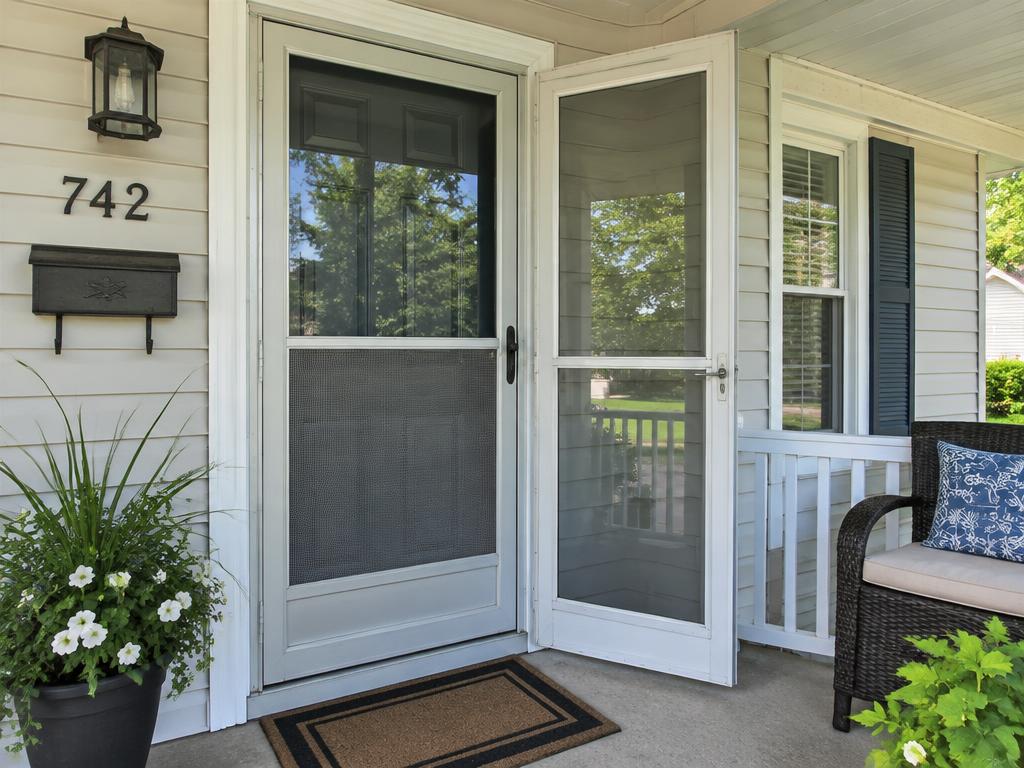
Screen and storm door repair covers the secondary door mounted in front of a main entry, whether it's a lightweight screen door used in summer, a combination storm door with interchangeable glass and screen panels, or a storm door left in place year-round. These doors take on a lot of day-to-day abuse: kids running through them, wind catching them when they're not latched, and constant opening and closing that a primary entry door rarely sees. Repair typically covers the frame, the closer or pneumatic arm, hinges, the latch and handle set, the screen mesh or glass insert, and the weatherstripping along the edges.
Because storm and screen doors are mounted outside the main door, they're exposed directly to Winnipeg's weather rather than being partly sheltered. That makes them prone to a particular set of issues: bent aluminum frames from wind, torn screens from pets or debris, and closers that work properly in summer but behave unpredictably once the temperature drops. An assessment usually starts by figuring out whether the problem is with the door itself, the closer mechanism, or how the whole unit is mounted to the main doorframe.
Common signs your screen or storm door needs attention
A storm or screen door usually announces a problem well before it stops functioning altogether. The most common complaint is a door that slams shut hard, or conversely one that drifts open on its own and won't stay latched. Both point toward the closer arm, which is designed to control the speed and final travel of the door but loses that control as it wears or as its fluid thickens in the cold.
Torn or bulging screen mesh is another frequent issue, often from a pet pushing through, a branch brushing against it in wind, or simple age and UV exposure. A storm door that rattles loudly in wind, or that has a visible gap along one edge when closed, suggests the frame may have racked slightly or the latch and strike are no longer lining up. A door that drags along the threshold, especially in winter, often means the hinges have loosened or the frame has shifted.
- Door slams shut or won't stay closed without being latched manually
- Screen mesh is torn, bulging, or pulled loose from the frame spline
- Door rattles or whistles in windy conditions
- Visible gap along the top, bottom, or side when the door is closed
- Closer arm leaks fluid or moves erratically between seasons
- Glass or screen insert won't stay in place or has fallen out of its track
- Door drags on the threshold or scrapes the main doorframe
How does Winnipeg's winter affect storm and screen doors?
Storm doors exist largely because of exactly this climate, adding a layer of wind and cold protection in front of the main entry, but the door itself still has to cope with everything Winnipeg's winter brings. Door closers rely on a small amount of hydraulic fluid to control swing speed, and that fluid thickens as temperatures drop toward -30 °C, which is why a storm door that closes smoothly in September can suddenly slam or barely move at all in January. Aluminum frames also contract in deep cold, which can shift how precisely the door meets its latch and weatherstripping.
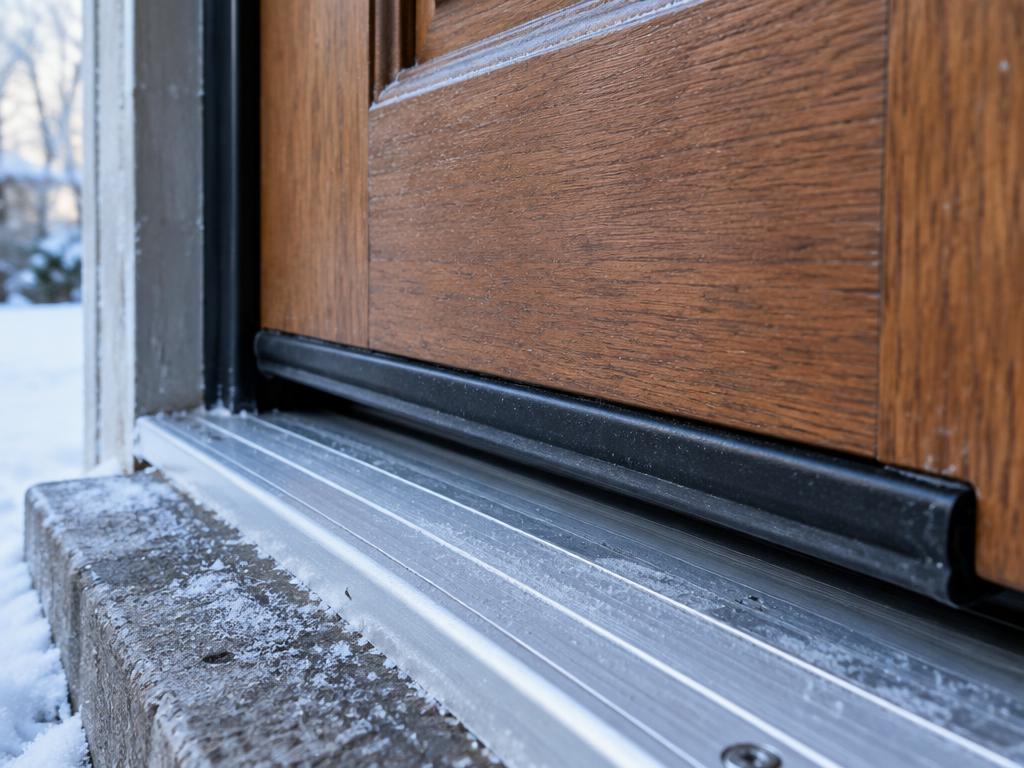
Freeze-thaw cycling brings its own set of problems. Snow and ice that build up along the threshold or bottom sweep can prevent a storm door from closing fully, and repeated freezing of meltwater around the bottom corner of the frame can gradually work hinges and corner joints loose. Frost heave affecting the concrete step or porch slab beneath the doorframe can, over a few seasons, shift the frame just enough that a door which used to close cleanly starts catching on one side.
Dry winter air isn't usually a major factor for aluminum or vinyl storm doors, but it can affect any wood trim or wood-frame screen doors, causing minor shrinkage that shows up as new gaps. In summer, the challenge flips: humidity and heat can make a wood screen door swell just enough to stick, and strong wind gusts common on the open Prairies put real strain on hinges and closers if the door isn't properly checked against slamming.
What happens during a storm or screen door assessment?
An assessment starts by operating the door through a full open-and-close cycle and watching how it behaves: whether it closes too fast, too slow, not at all, or catches partway through its swing. The frame is checked for square, the hinges are checked for looseness or wear, and the latch is checked against the strike plate for alignment. If the complaint involves a screen or glass insert, that panel is examined separately from the door frame itself.
From there, repairs are matched to the specific cause. A closer that's slamming or drifting is usually adjusted at its tension screw first, and replaced if adjustment doesn't resolve the behaviour or if it's visibly leaking fluid. Loose hinges are tightened or re-set with longer screws if the surrounding wood has worn out, and a racked frame may need to be squared and re-secured to the main doorframe. Torn screen mesh is generally re-spline and re-stretched into the existing frame channel, which is usually more practical than replacing the whole door if the frame itself is sound.
Weatherstripping or a bottom sweep that has compressed or torn is replaced to restore a proper seal, and a latch or handle set that doesn't catch reliably is adjusted or replaced depending on its condition. If a glass insert has cracked or a storm door's structural frame has bent significantly, those findings are explained clearly, including the realistic options available.
Aluminum, wood, vinyl, and fibreglass: screen and storm doors by material
Aluminum is the most common frame material for storm doors because it's light and holds its shape reasonably well, though it can dent or bend from a hard impact and transmits cold efficiently, which is part of why its closer behaves so differently between summer and deep winter. Vinyl components on some storm doors, such as kick panels or trim, can become brittle in extreme cold and crack if struck.
Wood screen doors are less common on modern Winnipeg homes but still show up, especially on older character houses, and need attention to moisture, finish, and seasonal swelling in addition to standard hardware wear. Fibreglass is occasionally used for storm door panels or trim pieces; as a composite material rather than glass, it resists warping well and holds paint or finish longer than wood, but it can still crack under a hard impact.
The screen mesh itself, whether fibreglass mesh or aluminum mesh, and the glass insert used in combination storm doors are treated separately from the frame material, since a screen or glass panel can fail independently of an otherwise sound door frame.
Repair or replace a storm or screen door?
Repair is usually the right call when the frame is still square and the problems are limited to the closer, hinges, latch, weatherstripping, or screen mesh. These components wear out individually and are generally straightforward to service or swap without needing a new door altogether, which keeps the cost and disruption contained.
Replacement becomes a more realistic conversation when the frame itself is bent, badly corroded, or racked enough that it no longer sits properly in the main doorframe, or when several components are failing at once on an older door that's already seen multiple repairs. A storm door that no longer matches the style or colour of a newer main entry door is sometimes replaced for appearance reasons alongside functional ones, which is worth mentioning at the enquiry stage if it's a factor.
For condos or multi-unit buildings, matching an existing building standard for storm door style sometimes influences whether repair or replacement makes more sense, and that context is useful to share up front.
What affects the cost of storm and screen door repair in Winnipeg?
Cost depends mainly on the scope and number of issues being addressed. Adjusting or replacing a single closer is a smaller job than squaring a racked frame, replacing hinges, and re-spline a torn screen all in the same visit. The door's size and configuration also matter, since a full-view storm door with an interchangeable glass and screen insert generally has more moving parts than a simple screen-only door.
Material affects parts availability and handling time; aluminum frames are generally straightforward to work with, while an older or less common wood or custom storm door may need parts sourced or fabricated rather than picked up as a standard replacement. Accessibility, such as a door on a raised porch or one blocked by a storm enclosure, can also factor into the time a repair takes. As with any repair, a clear description of the problem and a few photos sent when requesting a quote help produce a more accurate sense of likely cost before a visit.
For businesses or multi-unit buildings with several storm doors needing attention, the number of doors involved in a single visit is also a relevant cost factor worth mentioning at the enquiry stage.
What can I check myself before calling a professional?
A few things are safe and reasonable for a homeowner to check first. Looking at the closer's tension screw, usually a small adjustable screw at the end of the closer arm, can sometimes resolve a door that slams too hard, though it's easy to get this wrong and make the behaviour worse rather than better. Checking whether the latch visibly lines up with the strike plate, and inspecting the screen mesh for small tears that might just need a patch kit rather than full replacement, are both reasonable visual checks.
Beyond that, it's better to stop and call a professional. Removing a storm door from its hinges to work on it, or attempting to re-square a bent aluminum frame, risks making the frame worse or causing an injury if the door is heavier or more awkward than expected. Any cracked glass insert should be left to trained technicians rather than handled as a DIY repair, since broken glass handling carries real risk. If a storm or screen door is integrated with any kind of electronic access control or alarm contact, that work is separate from standard door repair and isn't something to attempt without the right expertise.
It's worth noting that window repair, lockouts, rekeying, and security or alarm system work are handled separately from screen and storm door repair and fall outside this service, even when they come up in the same conversation about a home's entryway.
- Safe to check: closer tension screw (carefully), latch-to-strike alignment, small screen tears that might take a patch
- Leave to a professional: removing the door from its hinges, squaring a bent frame, any cracked glass insert
- Not part of this service: window repair, lockouts, rekeying, and security or alarm system work
How do I maintain a storm or screen door through Winnipeg's seasons?
A bit of seasonal maintenance goes a long way for these doors, which are used constantly and exposed to the weather directly. Lubricating hinges and the closer's pivot points with a suitable lubricant once or twice a year helps keep motion smooth through temperature swings. Checking the closer's tension as the seasons change, since fluid viscosity shifts with temperature, can prevent both slamming in summer and a sluggish, barely-closing door in deep winter.
Clearing snow and ice from the threshold and bottom sweep regularly in winter prevents the door from being forced against a buildup that can bend hardware or crack a frame over time. Checking weatherstripping and the bottom sweep each fall for wear helps maintain a proper seal before the coldest months arrive. For screen panels, a gentle rinse and inspection at the start of each season helps catch small tears before they widen, and storing or swapping in the glass insert panel, where the door allows it, before the first hard freeze keeps the storm door doing its job through winter.
Keeping an eye on how the door sits in its frame season to season, especially on homes where frost heave affects the porch or step, helps catch early signs that the frame needs attention before a small misalignment becomes a bigger repair.
Homes, condos, and businesses: storm and screen door considerations
Most storm and screen door repair is residential, covering everything from a single-family entry door to a side or back door storm unit, but condos, townhouse complexes, and small businesses also rely on these doors at entries and loading or side doors. In condo and townhouse settings, a building's architectural standards sometimes dictate the style or colour of storm doors, which is worth noting if replacement rather than repair ends up being the direction.
For businesses, an entry storm door sees considerably more daily cycles than a home's, which tends to wear out closers and hinges faster and can shift a repair-versus-replace decision sooner. Scheduling an assessment around business hours, and flagging whether multiple entry points need attention, helps make the process smoother for commercial and multi-unit properties.
Frequently asked questions about screen and storm door repair
Why does my storm door slam shut only in summer? Closer fluid is thinner at higher temperatures, which can let the door swing and close faster than it does in winter when the fluid thickens and slows it down.
Can a torn screen be fixed without replacing the whole door? In most cases yes, since the mesh is held in the frame by a thin spline that can be removed and re-set with new screen material, leaving the surrounding door and frame untouched.
My storm door won't stay latched anymore, is that a quick fix? Often it comes down to the latch and strike plate falling out of alignment, which is one of the more straightforward repairs, though a full assessment is the only way to confirm that before any work begins.
Do you repair both the glass and screen inserts on a combination storm door? Each insert is treated based on its own condition; a cracked glass insert and a torn screen insert are different repairs even though they sit in the same door frame.
Is it worth repairing an old wood screen door? Often yes, if the frame is still sound and square, since much of the wear on these doors is in replaceable hardware like hinges, closers, and the screen mesh itself rather than the wood structure.
How do I get a quote for storm door repair in Winnipeg? Describe the specific problem, such as slamming, a torn screen, or a door that won't latch, send a few photos, and an assessment will determine the realistic repair options; an enquiry is not a booking, just the start of the conversation.