What does wood door restoration involve in Winnipeg?
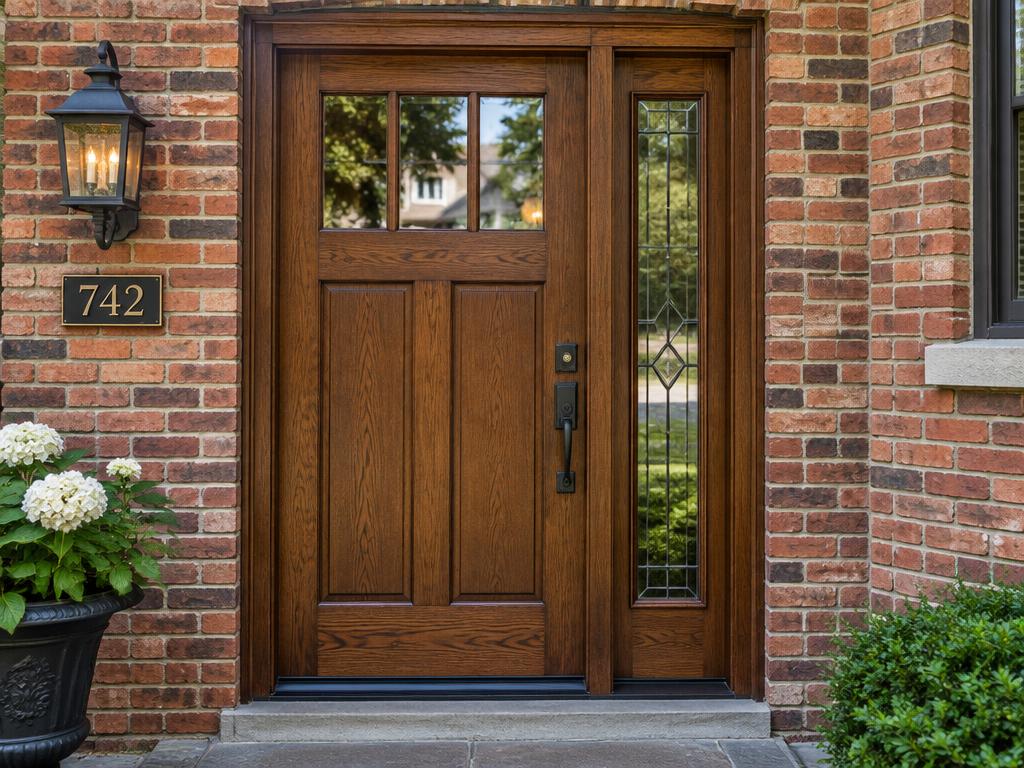
Wood door restoration is about bringing an existing wood door back to good working condition and appearance rather than replacing it outright. In Winnipeg, this often applies to solid wood entry doors on older character homes, panelled interior doors, and exterior wood doors that have taken a beating from years of prairie weather. Restoration can mean anything from refinishing a faded or peeling surface, to repairing split panels and loose joints, to addressing a door that has swollen, warped, or dropped on its hinges over time.
A wood door that has lost its finish often shows grey, weathered patches where sun and moisture have broken down the sealant, and restoration in that case focuses on sanding back to sound wood and refinishing. A door with structural issues, such as a sagging panel, a cracked rail, or a frame that has pulled apart at a joint, needs a different approach that stabilizes the wood itself before any finish work happens.
Because wood doors vary so much in age, species, and construction method, from older solid-core doors built decades ago to newer veneer or engineered wood doors, an assessment is the starting point for figuring out what a specific door actually needs.
- Solid wood entry doors on character and heritage-style homes
- Panelled interior wood doors
- Refinishing faded, peeling, or weathered surfaces
- Repairing split panels, cracked rails, and loose joints
- Addressing warping, swelling, and hinge sag
What are the signs a wood door needs restoration?
Several signs point toward a wood door needing attention. A visible loss of finish, where the surface looks dull, grey, or chalky rather than smooth and glossy, is one of the most common and usually the easiest to address. Cracking or splitting in a panel or rail, especially near the bottom where moisture tends to collect, suggests the wood itself has started to deteriorate and needs more than a surface fix.
A door that sticks in its frame during humid summer months but fits loosely again in dry winter air is a classic sign of wood movement, which is extremely common in Winnipeg because of how much humidity swings between seasons. Sagging, where the door has dropped slightly at the latch side and now rubs against the frame or floor, often points to worn hinges or a frame that has shifted rather than a problem with the door slab itself.
Rot, usually found at the bottom corners or anywhere water has been able to sit against the wood repeatedly, is a more serious sign and needs to be assessed carefully, since the extent of rot underneath the surface is not always obvious just by looking at it.
- Dull, grey, or peeling finish
- Cracked or split panels and rails
- Sticking in summer, gaps in winter
- Sagging or rubbing against the frame
- Soft or discoloured wood suggesting rot
How does Winnipeg's climate affect wood doors specifically?
Wood is more sensitive to Winnipeg's climate swings than most other door materials, which is part of why restoration is such a common need here. Humid summers cause wood fibres to absorb moisture and swell slightly, which is often when people notice a door sticking at the top corner or dragging along the threshold. When winter's dry, heated indoor air arrives, that same wood releases moisture and shrinks, sometimes leaving gaps around the frame that let in cold drafts.
Deep cold snaps near -30 °C can make finish coatings more brittle and prone to cracking, especially on south or west-facing exterior doors that also deal with intense summer sun exposure. The freeze-thaw cycle in spring and fall pushes moisture into any crack in the finish or any joint where sealant has worn thin, and that moisture expanding and contracting as it freezes and thaws gradually widens small cracks into bigger ones over a few seasons.
Frost heave can shift a door frame slightly out of square, which on a wood door often shows up as uneven rubbing along one edge rather than the whole door binding evenly. Road salt and winter grit tracked in near an entry can also wear down the finish at the bottom of an exterior wood door faster than other areas, which is why that section often needs refinishing before the rest of the door does.
What happens during a wood door restoration assessment?
An assessment typically starts with a close look at the door's overall condition: the finish, the joints between rails and panels, the hardware, and how the door fits and operates within its frame. A technician will check for soft spots that might indicate rot, examine cracks to see whether they are surface-level or run through the wood, and test how the door swings and latches.
If the finish has simply worn down, the plan usually involves sanding back the old coating, cleaning the surface, and applying new stain or paint and a protective sealant suited to exterior exposure if the door faces outside. If there is cracking or splitting, the repair approach depends on the size and location of the damage; smaller cracks can sometimes be filled and reinforced, while larger splits or a damaged panel may need that section rebuilt or replaced while keeping the rest of the original door intact.
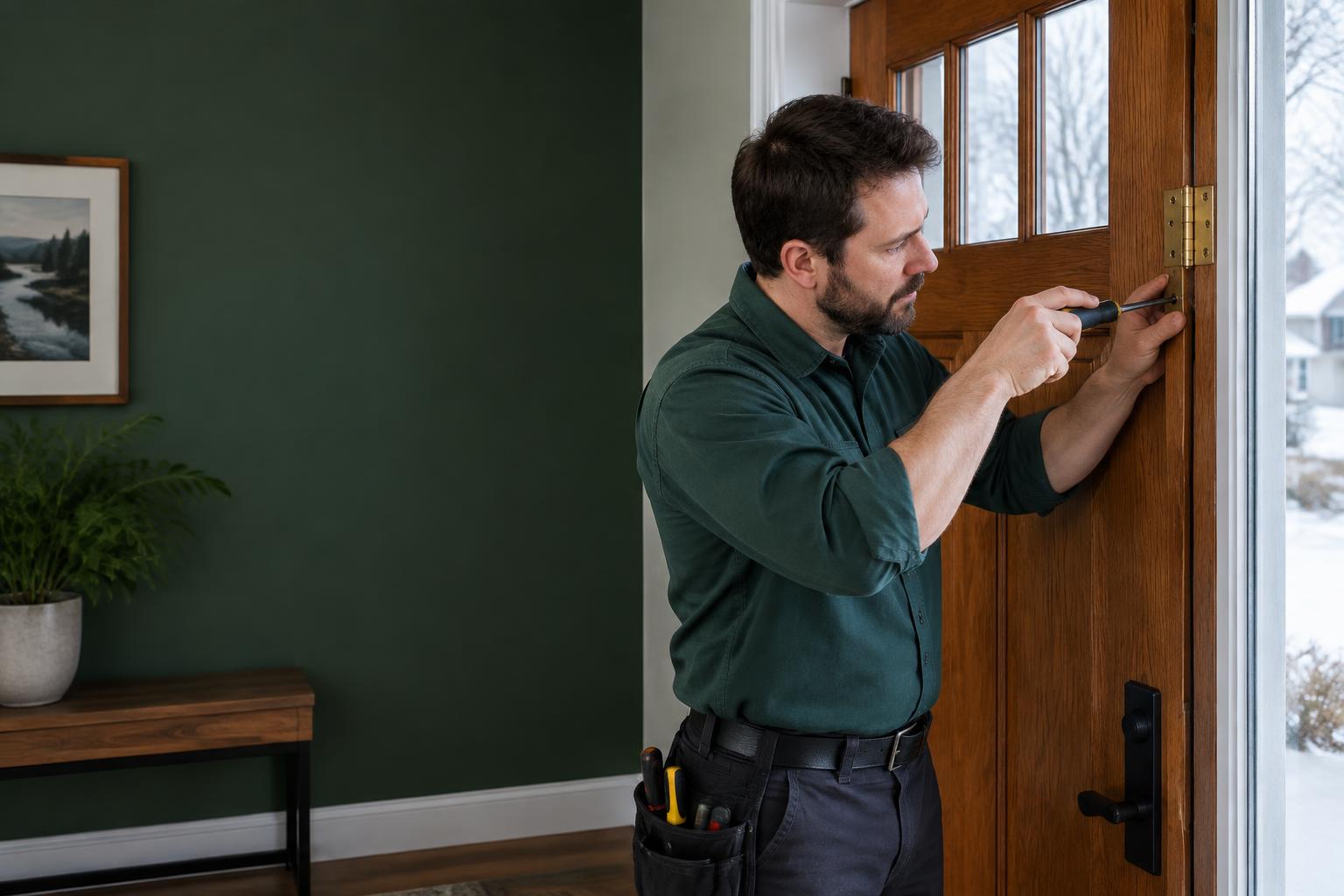
Where hinges have worn or the frame has shifted, re-hanging the door or adjusting the frame alignment is usually part of the work alongside any surface or structural repair, since fixing the finish on a door that still rubs or sags does not solve the underlying problem.
Rot requires particular care, since a technician needs to determine how far it has spread before deciding whether the affected area can be cut out and patched with new wood or whether the extent of the damage points toward replacement instead.
- Inspection of finish, joints, hardware, and fit
- Checking for soft spots and rot
- Sanding and refinishing worn surfaces
- Repairing or rebuilding cracked panels and rails
- Re-hanging and adjusting hinge and frame alignment
Restore or replace a warped or damaged wood door?
This is one of the most common questions Winnipeg homeowners ask about older wood doors, especially ones with character or historical value that they would prefer to keep rather than swap out. A door with surface wear, minor cracking, or seasonal swelling is usually a strong candidate for restoration, since the core structure is sound and the issues are things a careful repair and refinish can address.
A door with extensive rot, especially rot that has spread through a significant portion of a rail or stile, a severe warp that pulls the door noticeably out of plane, or damage from a long-term water leak that has compromised the wood's structural integrity is a harder case, and replacement sometimes becomes the more practical option. Even in those situations, some owners choose to restore a door for its appearance or heritage value even when a newer door might be more practical, and that is a reasonable choice as long as the extent of the work is understood upfront.
An assessment is the only way to know for certain which category a given door falls into, since wood doors that look similarly worn on the surface can have very different conditions underneath, particularly around rot that is not visible without closer inspection.
What affects the cost of wood door restoration?
Several factors shape the cost of restoring a wood door, and DoorMend does not provide prices without understanding the specific door and the work involved. The extent of the damage is the largest factor: refinishing a door with a worn but intact surface is a much smaller job than repairing split panels, rebuilding a damaged section, or addressing rot.
The size and style of the door matters as well, since a large solid wood entry door with raised panels and detailed millwork takes more time to sand, repair, and refinish than a simpler flat interior door. The type of wood and the complexity of the original finish also play a role, since matching stain colour and sheen on an older door can require more careful work than a straightforward paint job.
Whether hardware needs adjustment or replacement alongside the woodwork, and whether the frame itself needs attention in addition to the door slab, both add to the scope. Access and location matter too, particularly for exterior doors that need weather-appropriate products and timing that accounts for Winnipeg's seasonal temperature and humidity conditions during the work itself.
- Extent of cracking, warping, or rot
- Size and detailing of the door, such as raised panels
- Wood species and complexity of matching the existing finish
- Hardware and frame work alongside the door slab
- Exterior exposure and timing around seasonal conditions
What can I check myself before requesting wood door restoration?
There are some useful, safe observations a homeowner can make before reaching out. Looking closely at the finish to see whether it is simply dull and faded versus actively peeling or flaking can help describe the problem accurately. Pressing gently on areas near the bottom corners or anywhere water tends to collect, to feel for softness that might indicate rot, is something most people can do carefully by hand without needing tools.
Noting when the door sticks, whether it is worse in summer or winter, and where exactly it rubs against the frame, gives useful detail for an assessment. Checking whether hinge screws look loose or stripped, without attempting to remove or replace hinges, is also a reasonable thing to observe.
Where a homeowner should stop and call a professional is anything involving removing the door from its hinges, cutting into the wood to assess the depth of rot, or any repair to an exterior door's weatherproofing that affects how well the home is sealed against Winnipeg's weather. Wood repair that looks simple on the surface, like a small split, can sometimes extend further into the door's structure than expected, and a professional assessment helps avoid turning a small repair into a bigger problem.
- Safe: observe whether the finish is dull or actively peeling
- Safe: gently check for soft spots near the bottom corners
- Safe: note when and where the door sticks or rubs
- Safe: look at hinge screws without removing hardware
- Call a professional: removing the door from its hinges
- Call a professional: assessing the depth of suspected rot
- Call a professional: repairs affecting exterior weatherproofing
How do I maintain a wood door after restoration?
Keeping a restored wood door in good shape through Winnipeg's seasons comes down to a few consistent habits. Checking the finish each spring and fall for early signs of cracking or wear, especially on exterior doors exposed to direct sun or winter road grit, helps catch small issues before they need a full refinish again. Reapplying a protective sealant or topcoat on an exterior door on a reasonable schedule, rather than waiting until the old finish has fully broken down, extends the life of the restoration significantly.
Wiping down and drying any wood door that gets wet, whether from rain blowing in at an entry or condensation near a humid interior space, helps prevent moisture from soaking into the grain and causing swelling or rot over time. Keeping hinges lubricated and checking that screws remain snug helps prevent sagging from developing again.
During winter, it helps to keep an eye on how the door fits in its frame as indoor humidity drops, and during summer to watch for sticking as humidity rises, since catching these seasonal shifts early means smaller adjustments rather than a return to a more involved repair.
- Inspect the finish each spring and fall
- Reapply sealant or topcoat on a reasonable schedule
- Dry off wood doors exposed to moisture promptly
- Keep hinges lubricated and screws snug
- Watch for seasonal fit changes as humidity shifts
Do heritage homes and businesses need different wood door restoration approaches?
Many of Winnipeg's older neighbourhoods have homes with original wood doors that owners want to preserve for their character rather than replace, and restoration for these doors often involves more careful attention to matching original stain colours, panel profiles, and hardware styles. These doors may also have had multiple layers of paint or finish applied over the years, which affects how much sanding and preparation is needed before a fresh finish can be applied evenly.
In commercial settings, wood doors see more frequent use and sometimes more demanding traffic, such as a office or small retail entry, which can accelerate wear on hinges and finish compared to a typical home. Businesses may also need to coordinate restoration timing around operating hours, which is worth mentioning when describing the project.
In both cases, the underlying assessment process is the same: understanding the door's construction, its current condition, and what level of restoration will give a realistic, lasting result for that specific setting.
Common questions about wood door restoration in Winnipeg
Can a warped wood door be straightened? Minor warping can sometimes be corrected by adjusting hinges, planing high spots, or addressing moisture imbalance, but a severely warped door may need a more extensive rebuild or replacement; an assessment can clarify which applies.
How long does a wood door finish typically last in Winnipeg's climate? It varies a lot depending on sun exposure, door orientation, and the quality of the original finish, which is why exterior doors facing south or west often need attention sooner than sheltered or interior doors.
Is it possible to match an old wood door's stain colour exactly? Matching is often achievable but depends on the wood species, age-related colour changes, and the original finish product, so results can vary and are discussed as part of the assessment.
What if rot is found only after work has started? If rot extends further than initially visible, the scope of repair may need to be revisited, which is one reason a thorough initial assessment, including careful inspection of vulnerable areas, matters before work begins.
Does DoorMend replace wood door glass panels? Specialist glass work depends on confirmed specialist capacity, so availability for glass panel replacement within a wood door is assessed on a case-by-case basis.
How to request a wood door restoration quote from DoorMend
Getting a quote started is straightforward: describe the door, including its approximate age if known, whether it is an exterior or interior door, and the specific issues noticed, such as peeling finish, cracking, sticking, sagging, or suspected rot. Sending clear photos, including close-ups of any damaged areas, cracked panels, or worn finish, helps a technician understand the scope before an in-person assessment.
From there, an assessment determines what restoration options are realistic for that particular door, whether that means a refinish, structural repair, partial rebuild, or a conversation about replacement if the damage is extensive. Submitting an enquiry starts that conversation; it is not the same as booking a service, and scheduling is arranged separately once the door's condition and the scope of work are better understood.
Whether it is a heritage entry door that has lost its finish after years of prairie sun, an interior panelled door with a cracked rail, or an exterior door showing early signs of rot near the bottom corner, describing the specific signs and sending photos gives DoorMend a clear starting point for assessing what the door actually needs.