What does sliding door lock repair in Winnipeg actually cover?
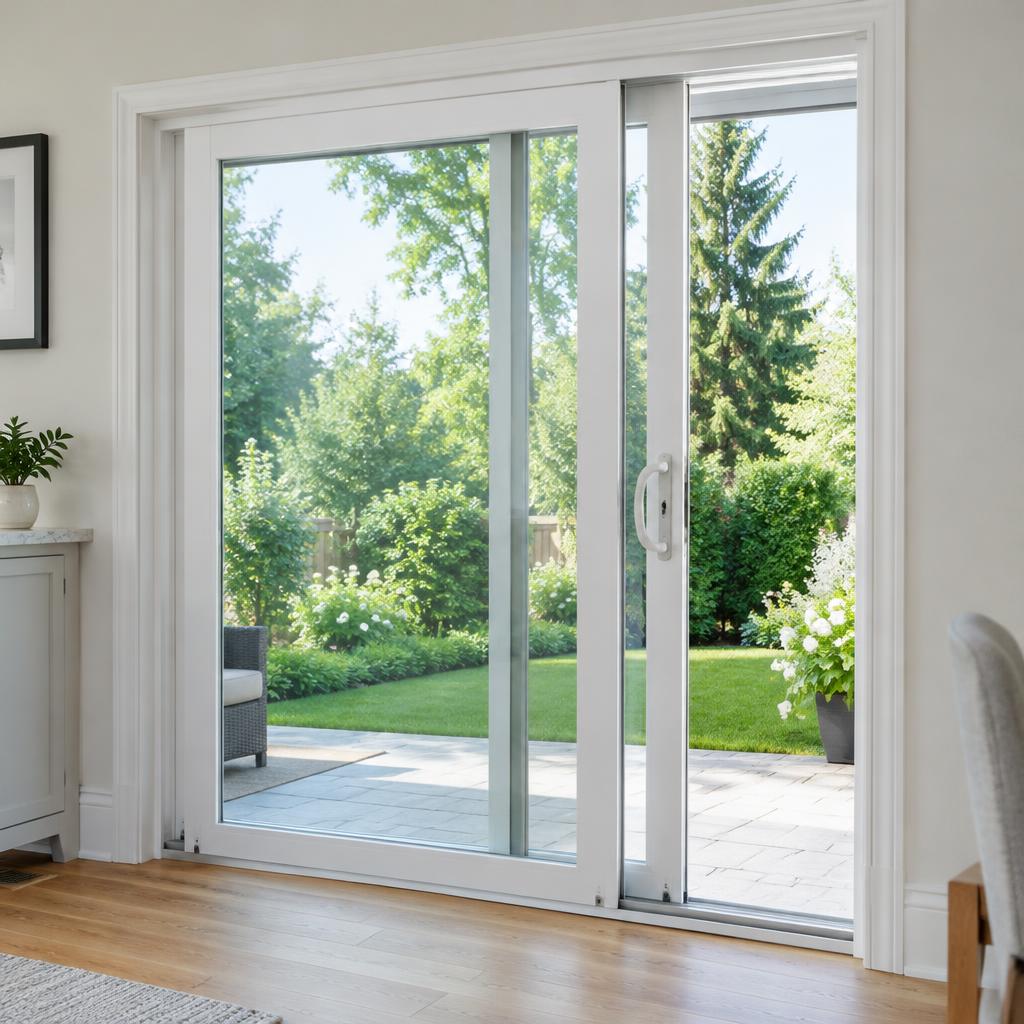
A sliding patio door lock is a small assembly with an outsized job. It has to hold a heavy glass panel flush against the frame, resist being jimmied, and keep draughts out through a Winnipeg winter, all while using a latch mechanism that is only a few centimetres wide. When that mechanism wears, bends, or freezes, the whole door can feel unsafe even if the glass and rollers are fine. Sliding door lock repair covers diagnosing and fixing the hook latch, foot lock, mortise lock, or multi-point lock built into the moving panel, plus the strike plate and keeper mounted on the fixed panel or frame.
In many Winnipeg homes the lock is original to the door, which may be ten, twenty, or even thirty years old, so a straightforward lock repair sometimes uncovers a second problem: the track has settled, the panel has dropped slightly, or the frame has shifted with the house. A proper assessment looks at the lock in context, not in isolation, because a lock that will not catch is frequently a symptom of panel alignment rather than a broken lock on its own.
This service is distinct from full sliding door replacement. Where the glass, frame, and rollers are sound, repairing or replacing just the lock hardware is usually the more sensible starting point, and it is also the area where a Winnipeg homeowner can get a clear, specific answer about what is wrong before committing to anything bigger.
Why won't my sliding patio door lock in winter?
This is one of the most common calls DoorMend fields between November and March. A sliding door that locked perfectly in September can suddenly refuse to latch, or can lock but rattle loosely, once overnight temperatures drop well below freezing. There are a few reasons this happens so predictably in Winnipeg.
Aluminum and vinyl door frames contract in extreme cold more than the glass and the house framing around them, which very slightly changes the gap the latch has to bridge. A latch that was adjusted for a warm-weather gap can end up a millimetre or two short of its strike plate once the frame tightens up in a deep freeze. Combine that with frost or ice that forms in the track or around the threshold, and a latch that used to click shut now stops just short.
Humidity swings play a role too. Winnipeg homes run very dry air indoors in winter, which can shrink wood components and composite door skins slightly, while any moisture that gets into the track from melting snow on boots can refreeze overnight and jam the hook latch solid. Owners sometimes describe this as the lock "freezing shut" or "freezing open", and either way it is usually ice or cold-shrunk alignment rather than a broken part.
A technician diagnosing a winter lock problem will typically check whether the issue is temperature-dependent by testing the action, inspecting the strike plate position, and looking for ice or debris in the track before concluding that the lock hardware itself needs adjustment or replacement.
Common signs your sliding door lock needs attention
Most sliding door lock problems give some warning before they fail completely. Recognizing the pattern early can mean a smaller repair instead of being locked out, or worse, unable to lock the door at all.
- The latch requires lifting, slamming, or jiggling the handle before it catches
- The lock turns but the door can still be pushed open from outside
- The foot-operated auxiliary lock will not drop into place or will not release
- Visible gap between the latch hook and the strike plate when the door is closed
- The handle feels loose, wobbly, or spins without engaging the mechanism
- Scraping or grinding sounds when sliding the door near the lock side
- The key cylinder (on keyed sliding locks) turns hard or sticks
- Condensation or ice visibly building up inside the track near the lock
How Winnipeg's climate affects sliding door hardware over time
Winnipeg's freeze-thaw cycle is hard on every exterior door, but sliding doors are particularly exposed because of their horizontal track and the sheer surface area of glass and frame moving against weatherstripping. Repeated cycles of freezing and thawing cause the house's foundation and framing to shift by fractions of a millimetre season after season, and a sliding door frame set into that opening shifts with it. Over several winters this can throw off the exact alignment a lock strike plate depends on.
Road salt and winter grit tracked in on footwear settle into the bottom track, and when they mix with melting snow they create a mildly corrosive slurry that can pit metal strike plates and latch hooks over time. Dry indoor winter air also affects wood-framed sliding doors, causing the wood to shrink slightly and sometimes loosen the screws that hold the strike plate in place.
Summer brings the opposite extreme: humidity and heat can cause frames to swell, which is why some sliding doors lock easily in winter but feel tight or hard to latch in July. A lock repair that only accounts for the day's conditions can leave an owner with a door that works for one season and fails in the next, so adjustments are usually made with both extremes in mind where possible.
What happens during a sliding door lock assessment and repair?
An assessment starts with understanding the complaint in the owner's own words: does the door fail to latch, fail to lock securely, feel loose, or simply refuse to move at all. From there a technician inspects the panel for level and plumb in the frame, checks roller wear, and tests the lock mechanism through its full range of motion.
If the lock itself is worn, bent, or corroded, the repair typically involves removing the mortise lock or hook-latch assembly from the edge of the sliding panel and replacing it with a compatible unit matched to the door's thickness and the existing handle set. If the problem is alignment rather than the lock part, the fix may be as simple as adjusting the rollers at the bottom of the panel to raise or lower it slightly, or repositioning the strike plate on the fixed frame.
Where the latch and strike line up correctly but ice or debris is the real cause, the technician will clean out the track, check weatherstripping for gaps that let in moisture, and advise on what the owner can do seasonally to prevent a repeat. Every sliding door is a little different depending on its manufacturer and age, so the assessment is what determines which of these paths applies before any parts are ordered or work is scheduled.
Repair or replace: when a worn sliding lock needs a new unit
Not every faulty sliding door lock can simply be tightened or adjusted. If the latch housing is cracked, the hook is bent beyond straightening, or the lock body has corroded internally, replacement of the lock hardware itself is usually the more reliable option, even though the surrounding door stays exactly as it was.
Replacing a sliding door lock is still very different from replacing the whole door. It keeps the existing glass, frame, and track in place and focuses only on the hardware responsible for keeping the door closed and secure. This is typically appropriate when the door otherwise slides smoothly, the frame is square, and the glass shows no fogging or seal failure.
On the other hand, if a technician finds that the track is bent, the frame has twisted, or the rollers are failing at the same time as the lock, that combination of issues can point toward a larger sliding door repair or eventual replacement being the more practical long-term answer, since a new lock on a failing frame will not solve the underlying movement problem.
What affects the cost of sliding door lock repair?
Every sliding door lock job is priced based on what is actually found during the assessment, but a few factors consistently influence the scope of work.
Because lock hardware varies so widely between manufacturers, matching a replacement unit to an existing handle set, keyway, or multi-point mechanism can add time compared with a generic universal part. The assessment is where these specifics get confirmed before any price is discussed.
- Whether the lock itself needs replacing or simply adjusting
- Age and manufacturer of the sliding door, since some lock sets are harder to source than others
- Condition of the strike plate, track, and frame surrounding the lock
- Whether rollers or panel alignment also need correcting at the same time
- Access and location of the door, including second-storey or awkward balcony installations
- Whether the handle set is being kept, matched, or upgraded along with the lock
What can a homeowner check before calling a technician?
Some simple checks are safe for an owner to do before booking a repair, and they can help a technician diagnose the problem faster when they do arrive.
It is best to stop short of forcing the lock, removing the handle, or taking apart the mechanism, since sliding door locks often have spring-loaded components that can be awkward to reassemble, and forcing a jammed latch can bend parts that were otherwise repairable.
- Check for visible ice, frost, or debris in the bottom track and clean it out gently if present
- Look for an obvious gap between the latch and the strike plate when the door is fully closed
- Note whether the problem only happens in cold weather, hot weather, or all year
- Check whether the door is sliding smoothly or dragging, which points to rollers rather than the lock
- Avoid spraying household oils into the lock, since some attract dust and grit that make the problem worse
- Take a few photos of the lock, handle, and strike plate for reference when requesting a quote
Maintenance tips to keep a sliding door lock working through Winnipeg winters
A little seasonal attention goes a long way toward preventing sliding door lock problems from coming back. Before the first hard freeze each year, clearing the track of summer dust, sand, and pet hair reduces the chance of debris freezing solid against the latch mechanism.
A light application of a dry, graphite-based or silicone lubricant made for door hardware, rather than a household oil, helps the latch and strike plate move smoothly without attracting grit. Checking that strike plate screws are snug each fall, before the wood or frame contracts in the cold, can prevent the small shifts that lead to a latch missing its target in January.
Weatherstripping around the sliding panel also plays a quiet role in lock performance: if it has compressed or torn, moisture can get into the track more easily and refreeze overnight, which is one of the more frequent causes of a lock that works fine in the afternoon and jams solid by morning.
Homes, condos, and commercial sliding doors: does it matter?
Sliding doors show up in single-family homes as patio doors, but they are just as common in condominium balconies and in some commercial settings such as sunrooms or retail entries. The underlying lock mechanisms are often similar, but condo and commercial doors can involve shared-building considerations, such as needing to coordinate access with a building manager or confirming whether the door frame is part of a unit's own responsibility or a common element.
Commercial sliding doors that see heavier daily traffic, such as at a small business entrance, tend to wear out latch mechanisms faster simply due to frequency of use, and may benefit from more frequent lubrication and inspection than a residential patio door that opens a few times a day.
Common questions about sliding door lock repair in Winnipeg
Will a new lock work with my existing door handle? In many cases a replacement lock mechanism can be matched to the existing handle set, but this depends on the specific manufacturer and model, which is confirmed during the assessment rather than guessed over the phone.
Can the lock be repaired without removing the whole sliding panel? Often yes, since the lock mechanism is usually accessible from the edge of the panel without needing to lift it out of the track, though a panel removal may be required in some cases depending on design.
Is it normal for a sliding door lock to feel different between summer and winter? Yes, seasonal expansion and contraction of the frame is common in Winnipeg, and this is part of why an assessment considers the time of year a problem is occurring.
What if the problem is actually the track, not the lock? If an assessment finds the real issue is a bent track or worn rollers rather than the lock itself, that will be explained clearly so the right repair, rather than an unnecessary lock replacement, can be scoped.
Can DoorMend also handle the glass if it is fogged or cracked? Specialist glass work depends on confirmed specialist capacity, so this is discussed separately from the lock repair itself.
Is this the same as a lockout or rekeying service? No, lockouts, rekeying, and security or alarm systems are not part of this service and are handled by other specialists.
How to request a quote for sliding door lock repair
Getting an accurate idea of what a sliding door lock repair will involve starts with describing the problem as specifically as possible: when it started, whether it is worse in cold weather, and whether the door still slides smoothly even if it will not lock.
Sending a few clear photos of the lock, the handle, and the strike plate, along with a photo of the full door from a short distance, helps give a clearer picture of what might be involved before a technician ever visits in person. Close-up photos of any visible gaps, bent hardware, ice buildup, or corrosion are especially useful.
From there, an assessment is what determines the actual options and scope of work for that specific door. Submitting an enquiry through DoorMend is the way to start this conversation, but it is worth noting that an enquiry is not a booking; it simply opens the discussion so the right next step, whether that is a straightforward lock swap or a broader look at the door, can be figured out.