When is it time for a front door replacement in Winnipeg?
A front door takes more daily abuse than almost any other part of a home: it is opened and closed dozens of times a day, it absorbs direct sun in summer, it fights off driving snow and road salt spray in winter, and it is the single largest moving opening in most exterior walls. In Winnipeg, where temperatures swing from +30 °C in July to -30 °C or colder in January, that daily wear is magnified by extreme freeze-thaw cycling. Wood fibres expand and contract, steel skins can dent and then rust at the dent, and fibreglass composite doors can develop stress cracks around hardware cutouts after years of seasonal movement.
Front door replacement becomes the sensible option once a door has moved past the point where tightening hinges, planing an edge, or replacing weatherstripping will meaningfully fix the problem. Homeowners across Winnipeg, from older character homes near the Exchange District to newer builds in Bridgwater or Sage Creek, often start by asking whether a repair will hold or whether a full front door replacement is the better long-term investment. This page walks through the signs, the causes specific to our climate, what an assessment involves, and how to think about the repair-versus-replace decision before you request a quote.
Common signs you need a new front door
Most Winnipeg homeowners notice a front door problem gradually, through small annoyances that build up over a season or two rather than one sudden failure. Recognizing the pattern early can help you decide whether you are looking at a simple adjustment or a genuine front entry door replacement.
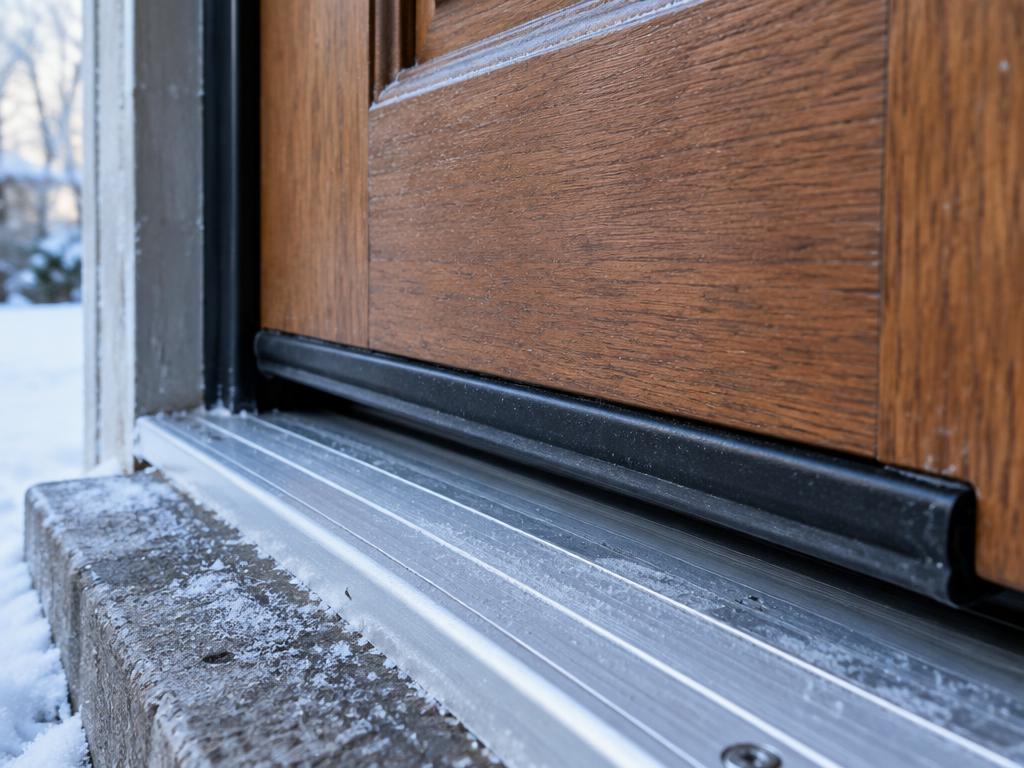
- Visible daylight or a cold draft around the edges of the closed door, especially noticeable on windy winter days
- The door sticks or drags against the frame in summer humidity but swings loose and rattles in dry winter air
- Warping, bowing, or a door that no longer sits flush against the weatherstripping along its full height
- Cracking, splitting, or delaguered finish on a wood door, or chalky, faded paint on a steel or fibreglass door
- Rust spots or bubbling paint near the bottom corners of a steel door, often where snow and salt collect
- A noticeably higher heating bill paired with a front entry that always feels cold to the touch
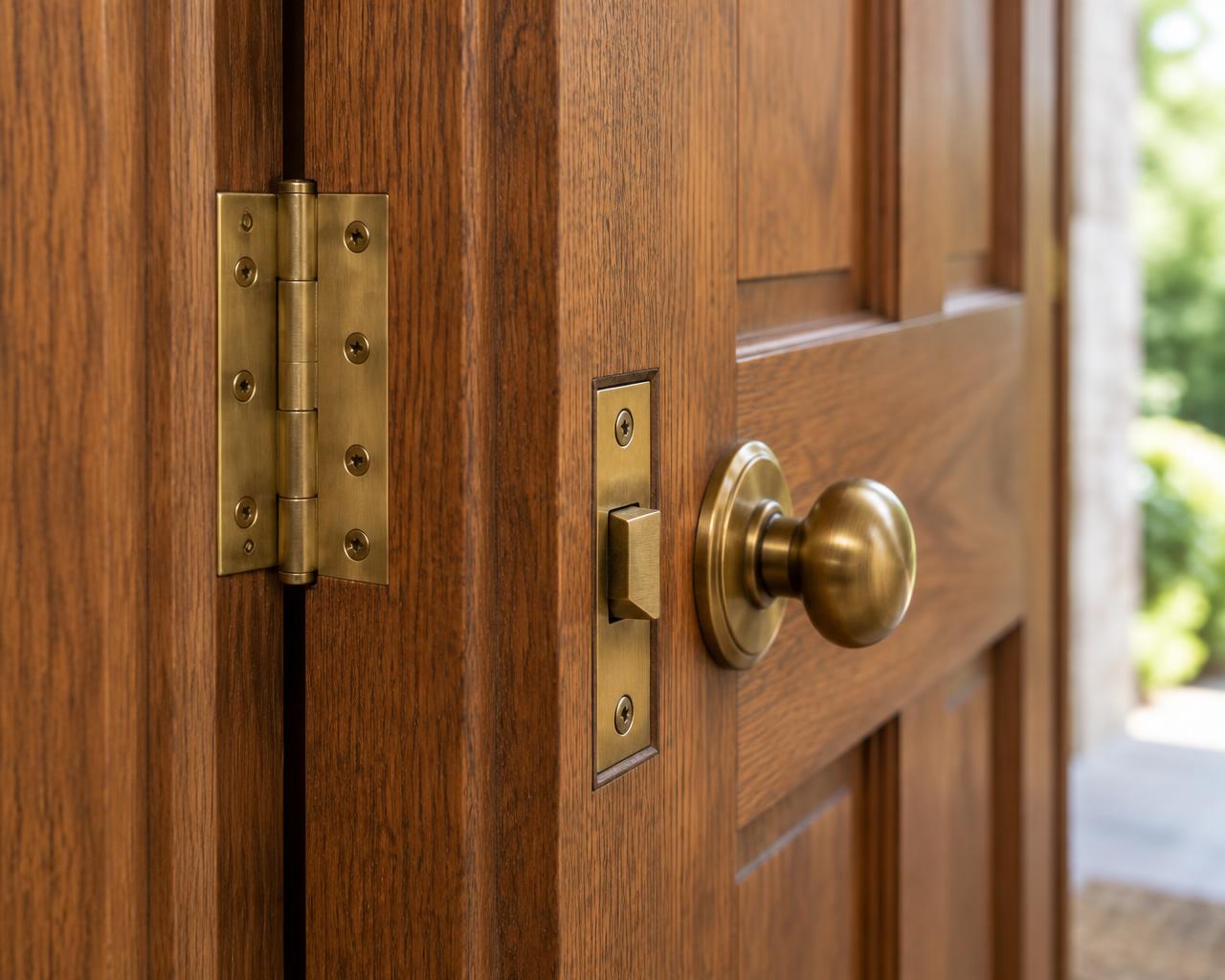
- Hardware that no longer aligns, deadbolts that need to be forced, or a door that has been forced open in the past
- Fogging or condensation between the glass panes of a sidelite or door-lite insert, which signals a failed seal
What causes front doors to fail in Winnipeg's climate?
Winnipeg's climate is genuinely hard on exterior doors, and understanding why helps explain both the signs above and why replacement timelines here can differ from milder cities. The core issue is repeated, extreme freeze-thaw cycling combined with very low humidity in winter and much higher humidity in summer.
Wood doors absorb and release moisture with the seasons, and in a climate that swings as widely as Winnipeg's, that movement is more pronounced and more frequent than in coastal or moderate climates. Over years, repeated swelling and shrinking can loosen joints, crack panels, and pull finishes away from the wood. Steel doors have a foam core sandwiched between thin steel skins; when outdoor temperatures drop toward -30 °C, the steel contracts, and any trapped moisture in a damaged core can freeze and expand, distorting the skin or encouraging rust from the inside out. Fibreglass composite doors generally resist moisture better than wood or steel, but the composite skin can still crack at stress points, such as around a mail slot or decorative glass insert, after many winters of contraction.
Frost heave is another Winnipeg-specific factor. As the ground freezes and thaws, especially where downspouts, grading, or lack of insulation allow more moisture into the soil near a foundation, the frame around a front door can shift slightly out of square over years. A door that once closed easily can start binding at the top corner or dragging along the threshold. Road salt tracked in on boots also accelerates corrosion on steel thresholds, kickplates, and the bottom edge of steel doors, which is why bottom-corner rust is such a common complaint in older Winnipeg homes.
What does a front door assessment and replacement involve?
A proper front door replacement is not just swapping one slab for another; it involves the door, the frame, the threshold, and the way the whole assembly meets the rough opening in the wall. A thorough assessment typically starts by examining the existing frame for square, checking the sill and threshold for rot or corrosion, and looking at how the current unit was flashed and insulated against the weather.
From there, a technician will look at whether the existing frame can be reused with a new slab and new weatherstripping, or whether the full unit, including jambs, brickmould, and threshold, needs to be replaced together. Reusing a sound frame can sometimes reduce cost and disruption, but if the frame itself is out of square, damaged, or poorly insulated, replacing the complete pre-hung unit usually gives a better long-term result.
Once the scope is confirmed, the general steps for a full unit replacement include removing the old door and frame, inspecting and repairing the rough opening framing if needed, setting the new pre-hung unit level, plumb, and square, shimming and fastening it securely, sealing and insulating the gap between the frame and the rough opening, and installing or transferring hardware. Exterior trim, interior casing, and a final adjustment of the door swing and latch alignment typically finish the job. Every home is a little different, and the exact sequence depends on the construction of your home and the condition found once the old door is removed.
Wood, steel, fibreglass, or aluminum: choosing a front door material
Front doors in Winnipeg are commonly built from solid or engineered wood, steel with a foam core, fibreglass composite, or occasionally aluminum-framed glass units for contemporary homes. Each material carries different trade-offs for our climate, and there is no single right answer; the best choice depends on your home's style, your exposure to sun and weather, and how much upkeep you want to take on.
Wood front doors offer a traditional look and can be refinished many times over their life, but they demand more regular maintenance in a climate with such wide humidity swings, including periodic refinishing and attention to any exposed end grain. Steel doors are generally more resistant to warping and can be a cost-effective option, but the steel skin can dent and, if the finish is compromised, is vulnerable to rust, particularly near the bottom edge where snow and salt collect. Fibreglass composite doors, often manufactured with a wood-grain texture, tend to handle Winnipeg's freeze-thaw cycling well because the composite resists moisture absorption, though the core and any glass inserts still need to be considered when assessing damage. Aluminum-framed glass front entries are less common on typical houses but do appear on some commercial storefronts and contemporary residential designs; these systems have their own sealing and thermal-break considerations.
If your front door includes sidelites or a transom with glass, keep in mind that the glass units themselves are a specialized component. DoorMend can assess how glass inserts fit into the overall door and frame replacement, but dedicated window repair and specialist glass replacement are treated separately, and availability for complex glass work depends on confirmed specialist capacity.
Repair or replace a front door: how to decide
Many Winnipeg homeowners first search for a front door repair before they consider a full replacement, and that instinct is often reasonable. Minor issues such as a single damaged weatherstrip, a loose hinge, a misaligned strike plate, or a worn threshold sweep can frequently be addressed without replacing the door itself. The repair-versus-replace decision generally comes down to how widespread the damage is and whether the frame, not just the door, has been compromised.
As a general guide, a repair is more likely to make sense when the issues are localized: a single crack, one area of draft, a sticking point along one edge, or hardware that has come loose. Replacement becomes the more sensible path when there is structural warping across the whole door, rot or rust that has spread through the core or frame, a frame that is out of square due to settling or frost heave, failed glass seals in multiple panes, or when the door has simply reached the end of its practical service life and repeated small repairs are starting to add up. An assessment is the only reliable way to know which category your door falls into, since damage that looks cosmetic on the surface can sometimes extend further into the frame or core than it appears.
What affects the cost of front door replacement in Winnipeg?
Every front door replacement is priced based on the specific scope of work, and DoorMend does not quote dollar figures without an assessment, since the right number depends heavily on the condition found on site. That said, homeowners researching front door replacement cost in Winnipeg generally find that the following factors are what drive price up or down from job to job.
The material and construction of the new door is a major factor, since solid wood, steel, fibreglass, and glass-insert units differ in material cost and in how much labour is needed to fit and finish them correctly. Whether the existing frame can be reused or needs full replacement changes both material and labour significantly. The condition of the rough opening matters too; if rot, rust, or frost heave has affected the framing behind the trim, that framing repair adds time before the new door can even be set. The complexity of the hardware, including multi-point locking systems, sidelites, transoms, or decorative glass, also affects cost, as does the amount of existing trim, casing, or brickmould that needs to be removed and replaced versus reused. Finally, access and the layout of your entry, such as a front door at the top of a steep step, in a condo corridor, or set within a storefront system, can influence labour time.
What can homeowners safely check before calling for front door service?
There are a few simple things a homeowner can look at themselves before deciding whether to book an assessment, and doing so can help you describe the problem more clearly when you reach out to DoorMend.
It is safe to visually inspect the weatherstripping around the door for visible gaps, cracking, or compression that no longer springs back. You can gently check whether the door swings freely through its full arc without dragging, and note where along the frame it catches. Looking at the bottom corners and threshold for rust, soft wood, or daylight showing through is also safe and useful information. You can check whether the deadbolt and handle latch line up cleanly with their strike plates without needing to lift or force the door closed.
What you should not attempt yourself is removing or re-hanging the door, cutting or shimming the frame, replacing a pre-hung unit, or working with any glass insert that may be cracked, since a cracked or compromised glass panel can be unstable to handle. If your front door has a sidelite or transom with any sign of glass damage, step back and leave that assessment and handling to a trained technician. Likewise, if the door is part of an automatic or powered entry system, access control, or panic hardware, those components require specialized handling and availability depends on confirmed specialist capacity.
Maintenance tips to extend the life of a Winnipeg front door
Whether you keep your current front door or install a brand new one, a bit of seasonal attention goes a long way in a climate as demanding as Winnipeg's. Simple habits can delay the next repair or replacement by years.
Inspect weatherstripping each fall before the cold sets in, and replace any sections that have gone flat or brittle. Clear snow and ice away from the threshold and bottom edge promptly rather than letting it sit and melt repeatedly against the door, since that cycle is exactly the kind of freeze-thaw exposure that accelerates wear. Wipe down and rinse off road salt residue from the bottom of steel or painted doors periodically through the winter, since salt left in place speeds up corrosion. Keep hinges lightly lubricated so they do not bind as temperatures change, and touch up any chipped paint or finish promptly, since exposed bare wood or steel is far more vulnerable to moisture damage than a fully sealed surface. For wood doors, plan on refinishing on a regular cycle rather than waiting until the finish has fully failed.
Front door replacement for condos, businesses, and multi-unit buildings
Front door considerations are not limited to single-family houses. Condo buildings, townhouse complexes, and small commercial storefronts throughout Winnipeg, including properties near downtown Winnipeg, face many of the same climate-driven wear patterns, often amplified by higher daily traffic. A condo building's main entry door, for example, may open and close hundreds of times a day, which accelerates wear on hinges, closers, and hardware well beyond what a typical house front door experiences.
Commercial storefront entries often use aluminum-framed glass systems rather than residential wood, steel, or fibreglass doors, and these systems can involve different hardware, including panic hardware or access control integration in some buildings. For any building with these specialized systems, availability of service depends on confirmed specialist capacity. Property managers and condo boards considering a front entry replacement should expect the assessment process to look closely at how heavily the door is used, since a replacement sized only for residential-level traffic may not hold up well in a high-traffic multi-unit entry.
Front door replacement: more questions answered
How long does a front door replacement take? The time required depends on whether the existing frame is reused, the condition of the rough opening once the old door is removed, and the complexity of the hardware and trim, so an accurate estimate comes from an on-site assessment rather than a general rule.
Can I replace just the door slab and keep my existing frame? Sometimes, if the frame is square, in good condition, and compatible with the new slab's dimensions and hardware. An assessment will confirm whether your frame is a good candidate or whether a full pre-hung replacement will serve you better long term.
Will a new front door actually reduce drafts and improve comfort? A properly fitted door with intact weatherstripping and a well-sealed frame is generally far more effective at blocking drafts than an older door with worn seals or a frame that has shifted out of square, which is one of the main reasons Winnipeg homeowners pursue replacement rather than repeated patching.
Do you replace doors with decorative glass or sidelites? Yes, standard decorative glass inserts and sidelites that are part of a typical residential front door assembly are within scope. More specialized or custom glass work is assessed case by case, and availability for complex specialist glass depends on confirmed capacity.
What if my front door was damaged by a break-in or forced entry? DoorMend can assess and repair or replace the door, frame, and hardware affected by forced entry. Rekeying locks and security or alarm system work are separate services and are not offered by DoorMend.
Does a new front door need to match my home's existing trim and colour? Matching existing trim, brickmould, and finish is something that can be discussed during your assessment, and the technician can advise on what is practical given your home's current construction.
How to request a front door replacement quote from DoorMend
If you think your front door needs attention, whether that turns out to be a repair or a full replacement, the best first step is to describe the problem as clearly as you can. Note when you first noticed the issue, whether it is affecting the whole door or just one area, and any changes you have seen with the seasons, such as the door swinging freely in winter but sticking in summer.
Sending a few clear photos of the door from outside and inside, along with close-up shots of any damaged corners, hardware, or weatherstripping, helps give a fuller picture before anyone visits your home. From there, an assessment is used to determine the actual options available for your specific door and frame, including whether a repair is viable or whether replacement is the more sensible path, and what materials would suit your home.
It is worth keeping in mind that submitting an enquiry or requesting a quote is not the same as booking a confirmed appointment; it starts the conversation so that your situation, timeline, and the scope of work can be properly understood before any work is scheduled.