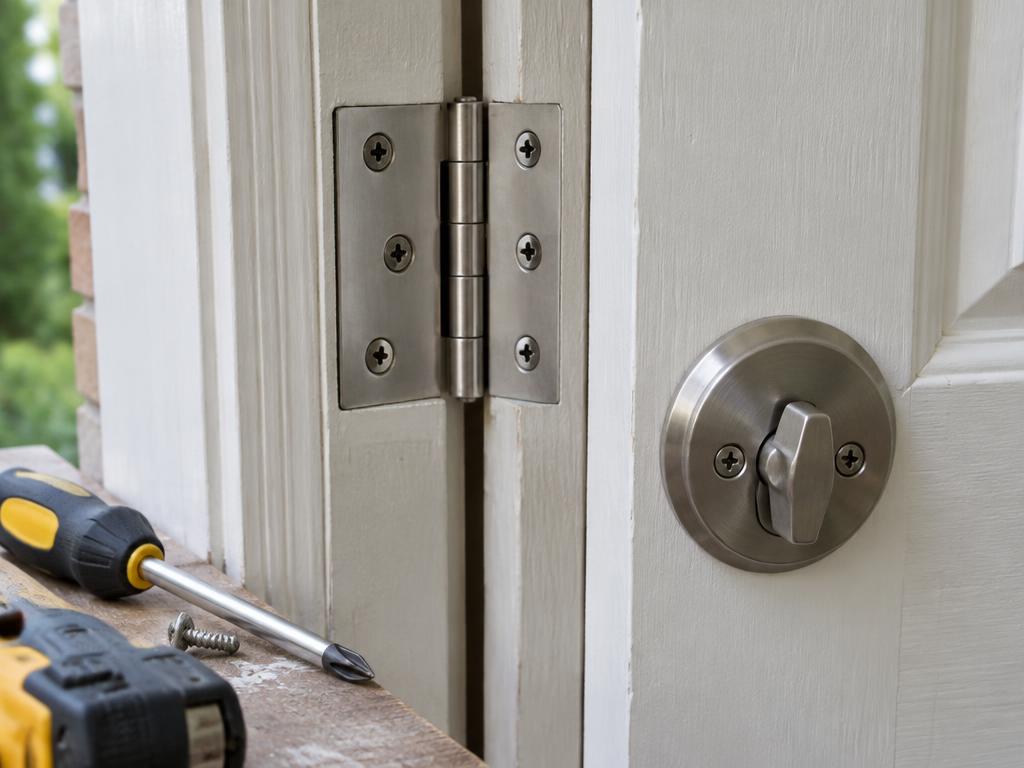
What is panic bar and exit hardware repair in Winnipeg?
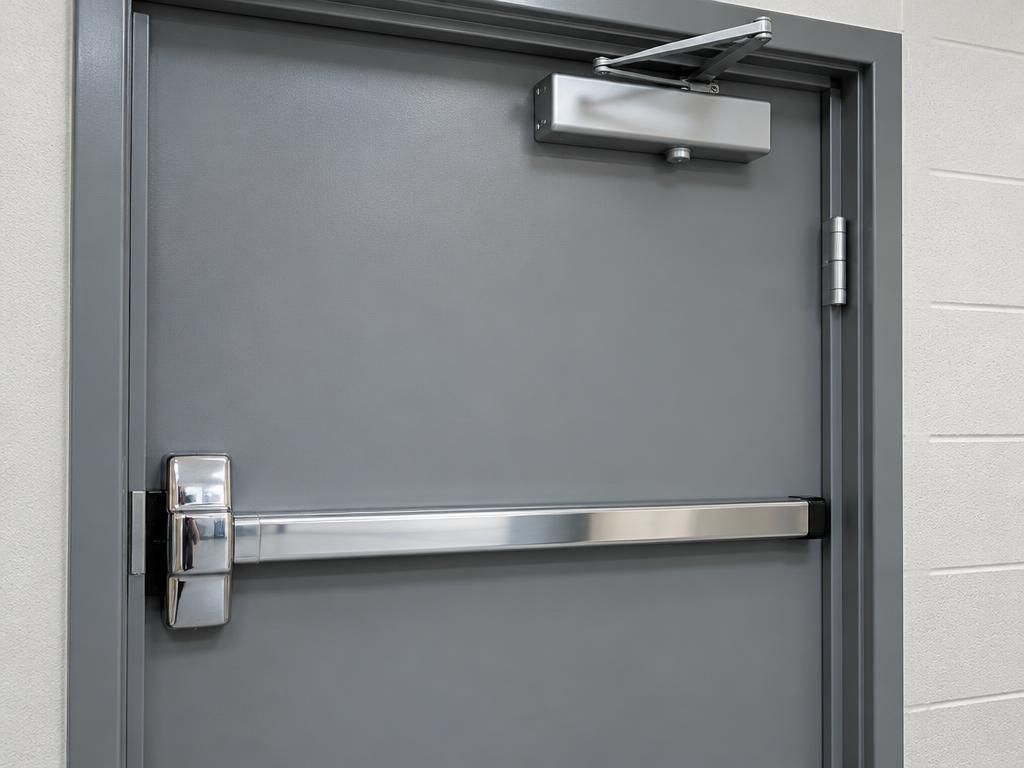
Panic bars, also called crash bars or push bars, are the horizontal exit hardware found on commercial doors across Winnipeg: office buildings, schools, churches, warehouses, and retail backrooms. They let someone exit quickly by pushing the bar rather than turning a handle, and they're typically paired with a specific exit door designed for high-use or life-safety egress. This service covers assessing and repairing the mechanical hardware itself: the bar mechanism, latch and strike components, the door closer it's often paired with, and the alignment of the door and frame that lets the hardware function correctly.
Because panic hardware is specialized and sometimes tied into a building's life-safety or access control systems, availability for this work depends on confirmed specialist capacity. If your building's exit hardware is integrated with an electronic access control system or alarm tie-in, that electronic side is separate from the mechanical door and hardware repair itself.
A business or property manager dealing with a sticking, loose, or non-latching panic bar usually wants two things: a door that still allows quick exit and a door that properly secures from the outside when it should. Repair work addresses both sides of that equation, since a panic bar that doesn't latch isn't just inconvenient, it can leave a commercial entrance unsecured.
Common signs your exit hardware needs repair
Exit hardware sees heavy daily use in many Winnipeg commercial buildings, and wear shows up in fairly recognizable ways. A bar that feels loose or wobbly when pushed, a door that doesn't latch after the bar is released, or a bar that sticks partway through its stroke are all common complaints. Sometimes the issue isn't the bar itself but the door and frame it's mounted to, which can shift enough that the latch no longer lines up with the strike.
- The push bar feels loose, wobbly, or doesn't spring back fully
- The door doesn't latch or lock after the bar is pushed and released
- Grinding, sticking, or uneven resistance when pushing the bar
- Visible gaps between the latch and strike plate
- A door closer paired with the hardware slamming, drifting, or not closing fully
- Rust or corrosion on exposed metal components
- The bar has been pushed or struck hard enough to bend visibly
How does Winnipeg's climate affect commercial exit doors?
Commercial exit doors often see more temperature swing than a typical residential door, especially doors on loading docks, warehouse exits, or back-of-house commercial entrances that open directly onto Winnipeg winters. In deep cold, metal components contract and lubricants inside the bar mechanism can stiffen, making the bar feel harder to push or slower to return. Door closers, which regulate how the door swings shut, are particularly sensitive to cold and can start closing too fast, too slow, or not fully through the latch in -30°C conditions.
Freeze-thaw cycling affects the door and frame around the hardware too. A steel exit door frame that shifts slightly as temperatures swing can throw off the alignment between the latch and strike, which is often the real cause when a panic bar suddenly stops latching reliably even though the bar mechanism itself is fine. Road salt tracked in on footwear and carried on wind near entrances can accelerate corrosion on exposed metal hardware over a Winnipeg winter, especially on doors near parking areas or loading zones.
Humid summer stretches bring their own wrinkle: swelling wood door cores or frame components can tighten clearances around the latch, making a bar that worked fine in winter suddenly feel stiffer in July and August. This seasonal back-and-forth is one reason exit hardware that seemed fine at installation can develop intermittent problems that are genuinely hardware-and-alignment issues rather than a sign of a defective bar.
What does an exit hardware assessment involve?
An assessment of panic bar or exit hardware issues starts by testing the full range of motion: pushing the bar, watching how the latch retracts and extends, and checking whether the door closes and latches reliably multiple times in a row. A technician checks whether the problem is in the bar mechanism itself, the latch or strike alignment, the door closer, or the door and frame's overall fit in the opening.
Because panic hardware often needs to meet specific functional expectations for an exit route, the assessment also considers whether the door and hardware are working together the way they're supposed to, rather than just whether the bar moves. A bar that pushes smoothly but doesn't fully retract the latch, for example, isn't functioning correctly even if it feels fine to operate.
If the hardware is tied into an access control or alarm system, the assessment will flag that as outside standard mechanical repair, since that side of the building's systems needs a different kind of specialist and availability for that integrated work depends on confirmed specialist capacity.
What does the repair process typically involve?
Once the cause is identified, repair work generally addresses whichever component is actually failing. A worn or damaged internal mechanism in the bar itself may need to be rebuilt or the unit replaced, particularly on older hardware where internal parts have worn unevenly from years of heavy push-and-release cycles. Latch and strike alignment issues are often resolved by adjusting the strike plate position, shimming the door, or in some cases re-hanging the door so it sits properly square in the frame again.
A malfunctioning door closer, if present, typically needs its closing speed, latch speed, and backcheck adjusted, or in some cases the closer itself replaced if it's worn out internally and can no longer hold adjustment. Corroded exposed hardware is cleaned, lubricated appropriately, and in cases of significant corrosion, replaced outright since rust can compromise how reliably a bar retracts and extends.
Throughout the repair, the door is tested repeatedly through full operating cycles, confirming the bar retracts the latch fully, the door swings and closes without binding, and the latch catches the strike reliably every time. For exit hardware, consistent, repeatable operation matters more than it does for a typical residential lockset, since the hardware needs to work the same way every single time someone needs to exit.
Repair or replace: when does panic hardware need full replacement?
Many panic bar issues are repairable: loose mounting, misaligned strikes, a closer needing adjustment, or light surface corrosion are usually addressed without replacing the whole unit. Replacement becomes the more sensible option when the internal mechanism is worn beyond adjustment, when corrosion has compromised structural components of the bar itself, or when the hardware is old enough that replacement parts are difficult to source.
The condition of the door and frame also factors into this decision. If the door itself is warped, racked, or has frame damage beyond the hardware, repairing or replacing just the panic bar won't resolve the underlying problem, and that door and frame work needs to be addressed alongside the hardware. In some cases a building ends up better served by upgrading to newer hardware entirely, especially if the existing unit has had repeated repairs and keeps developing new issues.
This decision is also where confirmed specialist capacity comes into play, since panic hardware work, particularly anything involving fire-rated doors or hardware tied into other building systems, depends on the availability of someone qualified for that specific scope of work.
What affects the cost of panic bar and exit hardware repair?
Cost varies with the scope of what's actually wrong rather than a flat number. A straightforward alignment adjustment or strike plate reposition costs far less than replacing an entire worn-out mechanism. The age and brand of the existing hardware matters too, since sourcing compatible replacement parts for an older or discontinued unit can take more time than a straightforward modern component swap.
Whether a door closer also needs attention adds to the scope, as does the condition of the door and frame themselves; a hardware repair paired with frame realignment or door rehanging takes more time than hardware work alone. The number of doors needing attention matters for a multi-door commercial building, since addressing several exits in one visit is typically more efficient than separate individual appointments.
Fire-rated doors and any hardware integrated with access control or alarm systems can add complexity and depend on confirmed specialist capacity, which can affect both cost and scheduling. Because of this range of variables, an assessment is the only reliable way to understand what a specific repair will involve for your building's exit hardware.
What can property managers check themselves before calling for repair?
Property managers and business owners can reasonably test whether the bar pushes smoothly, whether the door latches reliably after several test cycles, and whether there's visible looseness, rust, or damage to the bar or strike plate. Noting which specific door or doors are affected, and under what conditions the problem shows up, such as only in extreme cold or only after the door's been propped open for a while, gives useful information for an assessment.
Light surface dust or debris around the latch can sometimes be wiped away, but you should not attempt to disassemble the bar mechanism, adjust internal components, or work on hardware connected to a fire-rated door assembly or an access control and alarm system. These require trained technicians, and incorrect adjustment on life-safety exit hardware can create a real safety issue rather than just an inconvenience.
If a panic bar doesn't retract the latch at all, if the door won't open from the push side, or if there's any doubt about whether an exit route is functioning properly, that's a situation to stop and arrange a professional assessment rather than attempting any further testing or adjustment yourself.
Businesses, schools, and multi-tenant buildings: different considerations
A single-tenant commercial business typically has a handful of exit doors to track, and the main concern is usually keeping those exits reliably functional without disrupting daily operations during repair. Scheduling around business hours and minimizing how long a door is out of service are common priorities.
Schools, churches, and larger assembly buildings often have more exit doors across a bigger footprint, sometimes with hardware of varying ages installed over different renovation phases. This can mean a wider range of issues across the building, from older mechanical bars needing full rebuilds to newer hardware needing only minor adjustment, and an assessment covering multiple doors helps establish priorities across the building rather than addressing just the one door that's currently causing a problem.
Multi-tenant commercial buildings and landlords managing shared exits need to coordinate with whichever tenants or building management structure is responsible for that hardware, and some buildings have specific hardware standards they want maintained across all units for consistency. Where any of these buildings have hardware integrated with building-wide access control or alarm systems, that side of things depends on confirmed specialist capacity separate from the mechanical repair.
More questions about panic bar and exit hardware repair
Can a panic bar be repaired without replacing the whole unit? Often yes, particularly when the issue is alignment, a loose mount, or a door closer rather than the bar's internal mechanism itself. An assessment determines which parts are involved.
Why does my exit door only have trouble latching in winter? This is frequently a sign of frame movement from temperature swings rather than a problem with the bar itself, since even small shifts in the frame can throw off strike alignment.
Is panic hardware repair available for every type of commercial door? Availability depends on confirmed specialist capacity, particularly for fire-rated doors or hardware tied into other building systems, so it's worth describing your specific door and hardware type when requesting a quote.
Does a door closer need to be repaired separately from the panic bar? They're often assessed and worked on together since they affect the same door's closing and latching behaviour, but they are distinct components with different failure points.
What happens if exit hardware is left unrepaired for a while? A non-latching exit door can leave an entrance unsecured, and a sticking or hard-to-push bar can make it harder to exit quickly, so these issues are generally worth addressing rather than leaving ongoing.
Maintenance tips to keep exit hardware working reliably
Regularly testing panic bars, ideally as part of a routine building check, helps catch stiffness, looseness, or latching problems before they become a bigger issue. Keeping the latch and strike area free of dust, grit, and debris helps the mechanism retract and extend smoothly, and wiping down exposed metal components reduces the buildup of moisture and road salt residue that accelerates corrosion over a Winnipeg winter.
Watching for seasonal patterns is useful too: if a door only sticks in deep cold or only in humid summer stretches, that's worth noting and mentioning at your next assessment, since it points toward a specific underlying cause like frame movement or door swelling rather than a failing bar mechanism. Keeping door closers adjusted appropriately for the season, where that adjustment is accessible, helps the door close and latch consistently through temperature swings.
For buildings with several exit doors, keeping a simple record of which doors have had hardware issues and when helps spot patterns, like one particular exit that keeps needing adjustment more than the others, which might point toward a frame or installation issue worth addressing more thoroughly rather than repeatedly treating the symptom.
How to request a quote for panic bar and exit hardware repair
If your Winnipeg business, school, or commercial building has a panic bar or exit hardware issue, from a downtown office tower to a suburban warehouse or a neighbourhood church, start by describing what's happening with each affected door: whether it's not latching, feels loose, sticks when pushed, or has visible damage or corrosion. Mentioning how many doors are affected and whether the hardware is tied into any access control or alarm system helps set expectations for what's involved.
Photos are especially useful for exit hardware, since a clear shot of the bar, the latch and strike area, and the overall door helps a technician understand the situation before an in-person assessment. From there, an assessment determines the actual repair options for your specific hardware and building, including whether the work falls within standard mechanical repair or needs to be scheduled around confirmed specialist capacity for more specialized hardware.
Submitting an enquiry through DoorMend is the way to start this process, but it's worth being clear that an enquiry is not a booking. It's the first step toward getting your exit hardware properly assessed so your doors keep functioning the way a commercial exit route needs to.