What does door lock repair in Winnipeg cover?
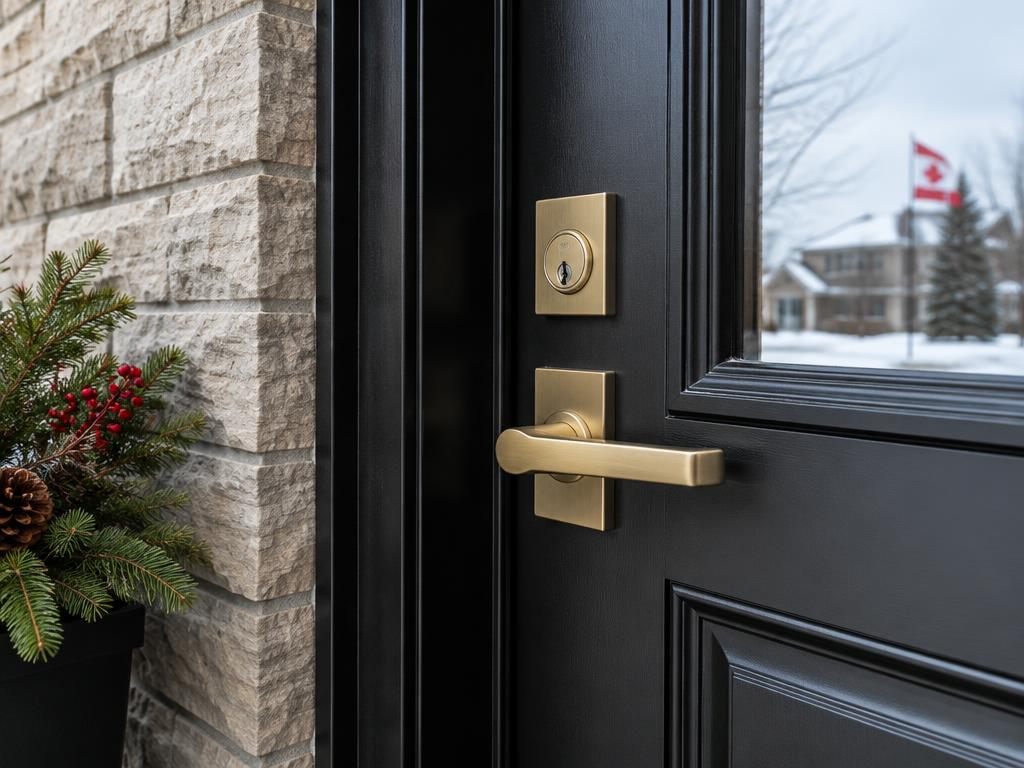
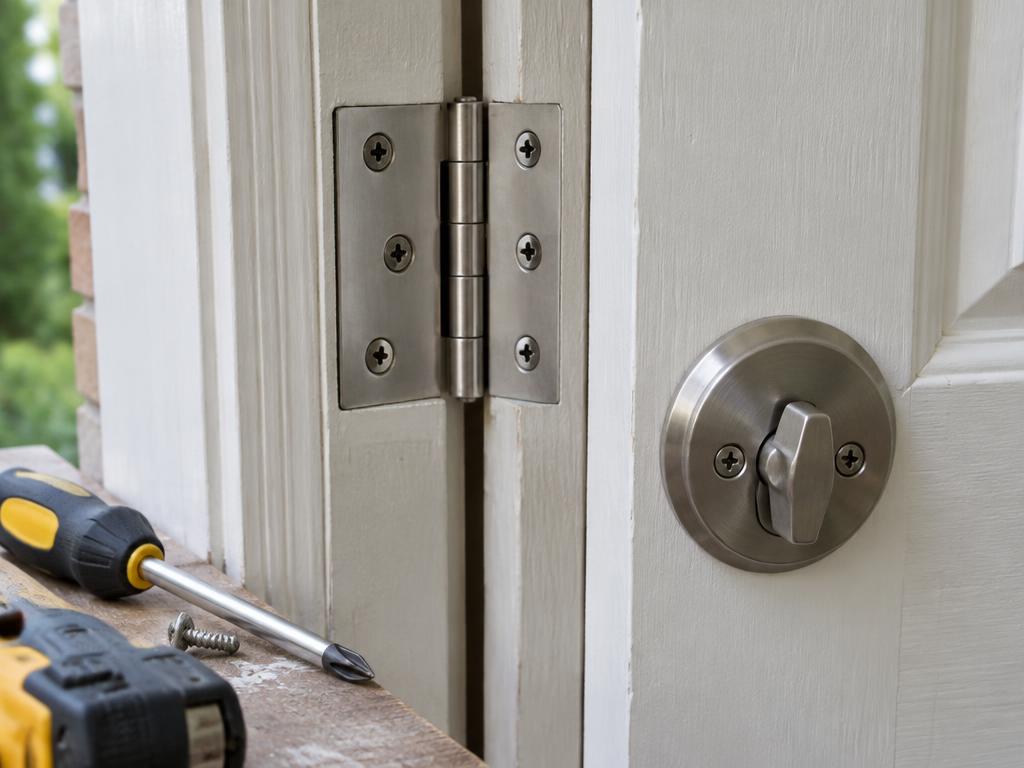
Door lock repair covers the mechanical components that let a door latch, lock, and unlock properly: deadbolts, lever and knob locksets, strike plates, latch mechanisms, and the alignment between a lock and its door frame. DoorMend's work in this area focuses on diagnosing why a lock is sticking, grinding, failing to latch, or has become loose, and then repairing or replacing the specific parts responsible rather than treating every lock issue the same way.
This service is distinct from rekeying and lockout response, which are separate services DoorMend does not provide. If you are locked out of your home or need keys changed without any mechanical problem with the lock itself, those are different kinds of requests. Door lock repair is specifically about a lock, deadbolt, or latch that is not functioning correctly because of wear, damage, misalignment, or a mechanical fault.
Common scenarios include a deadbolt that is hard to turn, a door that needs to be lifted or pulled to get the lock to engage, a lock that feels loose in the door, a latch that does not catch the strike plate properly, or hardware that has become damaged through wear, weather, or an attempted break-in. An assessment looks at the lock, the strike plate, and the door and frame together, since a lock problem often has more to do with the door's alignment than with the lock hardware itself.
- Deadbolts that stick, bind, or are hard to turn
- Lever and knob locksets with worn or damaged mechanisms
- Latches that fail to catch or align with the strike plate
- Loose lock hardware or damaged strike plates
- Lock and frame alignment issues affecting locking function
Common signs your door lock needs repair
A door lock that is starting to fail often gives warning signs well before it stops working entirely. You might notice the key is harder to turn than it used to be, that you need to lift or push the door in a certain way to get the deadbolt to throw, or that the lock sometimes catches only after you jiggle the handle. These small frustrations are worth paying attention to, since a lock mechanism under strain can wear out faster or fail at an inconvenient time.
Other signs point more toward the door and frame than the lock body itself. If the latch or bolt no longer lines up cleanly with the strike plate, you may hear a scraping sound as the door closes, or need extra force to fully latch the door. A door that has dropped slightly on its hinges, which is common with heavier doors over time, is a frequent reason a previously reliable lock suddenly seems to malfunction.
Visible damage is its own category of sign: a deadbolt that has been forced, a strike plate that is bent or pulled away from the frame, or a lockset that is loose and wobbles in the door. Any of these suggest the hardware itself needs attention rather than just an adjustment, and in cases of forced damage it is worth considering whether the lock's security has been compromised, not just its convenience.
- Key is hard to turn or requires extra force or wiggling
- Door needs to be lifted, pushed, or pulled to lock or unlock
- Latch or bolt does not align cleanly with the strike plate
- Grinding, scraping, or clicking sounds when locking or unlocking
- Visible damage, looseness, or wobble in the lock hardware
- Lock sometimes locks or unlocks but not reliably every time
What causes locks to stick, jam, or stop working properly?
Door locks fail for a combination of internal and external reasons. Internally, the pins, springs, and cylinder components inside a lock wear down through years of normal use, and dust or old, gummed-up lubricant can build up inside the mechanism and cause binding. Deadbolts in particular rely on precise alignment between the bolt and the strike plate, so even small amounts of internal wear can show up as a lock that is harder to turn than it should be.
Externally, door and frame alignment is one of the most common causes of lock trouble in Winnipeg homes. Hinges loosen over time, doors sag slightly under their own weight, and a frame that has shifted even a few millimetres can throw off the fit between a latch and its strike plate. In many cases, a lock that seems broken is actually functioning correctly but is being asked to operate in a door opening that is no longer perfectly square.
Weather and material factors also contribute. Moisture can cause a wood door to swell, tightening the fit around a lock and frame, while road salt and winter grit tracked indoors can find its way into exterior door hardware and accelerate wear on exposed mechanisms. Forced entry attempts, even unsuccessful ones, can bend a strike plate or damage a bolt in ways that are not always obvious from a quick glance.
Why do locks act up more in a Winnipeg winter?
Winnipeg's cold snaps are notorious for causing exterior door locks to seize or become stiff, and there is a real mechanical reason behind it. Lubricant inside older lock cylinders can thicken in extreme cold, slowing the movement of internal pins and making a key noticeably harder to turn at -30 °C than it was in summer. Moisture that gets into a lock cylinder can also freeze, which can jam the mechanism entirely until it warms up or is cleared.
Beyond the lock itself, the door and frame respond to winter conditions too. Dry indoor air during the heating season causes wood doors and frames to shrink slightly, which can change how a latch or deadbolt lines up with its strike plate compared to the humid summer months. This seasonal shift is a common reason a door locks easily in July but needs extra effort to latch by January, even though nothing about the lock hardware has changed.
Frost heave and freeze-thaw cycling affect the building itself over multiple seasons, gradually shifting door frames, especially on exterior doors exposed to temperature swings between a heated interior and the outside cold. Over several winters, this kind of movement can accumulate into a noticeable alignment problem that no amount of lubricating the lock alone will fully resolve, which is why persistent winter sticking is worth having assessed rather than just worked around.
What happens during a door lock assessment and repair?
An assessment typically begins with understanding exactly how the lock is misbehaving: is the key hard to turn, does the bolt not fully extend, does the door need to be manipulated to get it to lock, or is there visible damage? Sharing this detail, along with photos of the lock, strike plate, and door edge, helps the assessment anticipate what parts or adjustments might be needed.
On site, a technician typically checks the lock cylinder and mechanism, the condition and alignment of the strike plate, whether the door is sagging on its hinges, and whether the frame itself is square. This sequence matters because a lock replaced without correcting a misaligned strike plate or sagging hinge is likely to show the same symptoms again shortly after.
Depending on what is found, the repair may involve lubricating and adjusting the existing lock, replacing worn internal components, repositioning or replacing a strike plate, adjusting hinges to correct door sag, or replacing a lockset or deadbolt outright if it is damaged beyond repair. The technician will confirm with you which path makes sense once the cause is clear.
- Review of symptoms and photos ahead of the visit where possible
- Inspection of the lock cylinder, strike plate, hinges, and frame alignment
- Identification of whether the problem is the lock, the door, or both
- Repair, adjustment, or replacement of the affected components
- Confirmation that the lock engages smoothly and reliably before finishing
Repair or replace: when does a door lock need a full replacement?
Many lock problems are genuinely repairable without replacing the entire lockset. A sticking deadbolt caused by old or dried-out lubricant, a misaligned strike plate, or a loose mounting screw can often be addressed by servicing and adjusting the existing hardware, which tends to be the more economical option when the lock body itself is in otherwise sound condition.
Replacement becomes the more sensible route when a lock has been physically damaged, such as from a forced entry attempt, when internal components are worn beyond simple adjustment, or when a lock is old enough that compatible replacement parts are difficult to source. In these cases, continuing to repair an aging mechanism piece by piece can end up costing more over time than installing a new lockset.
There is also a judgment call when a door's alignment issues are the real root cause. If a door is sagging badly on its hinges or a frame has shifted significantly, replacing the lock alone will not solve the underlying problem, and the more effective fix addresses the door and frame first. An assessment will walk through these trade-offs with you rather than defaulting to the most expensive option.
- Dried lubricant, minor misalignment, loose screws: usually repairable
- Forced entry damage or badly worn internals: replacement often needed
- Hard-to-source parts on an old lock: replacement may be more practical
- Underlying door or frame sag: needs addressing alongside any lock work
What affects the cost of door lock repair in Winnipeg?
The cost of a door lock repair depends on what is actually wrong and how much work is involved in fixing it. A straightforward adjustment, such as repositioning a strike plate or lubricating a sticking mechanism, generally involves less time and fewer materials than replacing an entire lockset or deadbolt, and the overall scope is usually the single biggest factor in the final cost.
The type and grade of lock hardware also matters. A basic lever handle lock is typically more straightforward to source and install than a higher-security deadbolt or a multi-point locking system, and commercial-grade hardware on a business or condo common-area door can differ in cost and complexity from a residential exterior door lock.
Door and frame condition affects cost as well. If hinge adjustment or frame correction is needed alongside the lock work, that adds to the scope of the visit. Because every door and lock situation is different, DoorMend determines actual pricing through an assessment of your specific door rather than offering set rates in advance, so describing the problem and sending photos is the best way to get a sense of what is involved for your situation.
- Scope of work: adjustment versus full lockset or deadbolt replacement
- Type and grade of lock hardware involved
- Whether hinge or frame correction is also needed
- Residential versus commercial-grade hardware differences
- Accessibility of the door and condition of existing fasteners
What can I check myself before calling a professional?
There are a few safe checks a homeowner can do before requesting a repair. You can look at whether the strike plate on the frame lines up visibly with the latch or bolt when the door is closed, and you can check whether the screws holding the strike plate or lock faceplate are loose and gently tighten them if they are. A light, dry lock lubricant applied to a sticking key mechanism, used sparingly and following the product's instructions, can sometimes help a stiff lock without any other intervention.
You can also observe and note the specific behaviour: does the key turn but the bolt not move, does the door need to be lifted to lock, is the problem worse in cold weather? This kind of detail, especially paired with a few clear photos of the lock, strike plate, and door edge, gives a real head start to an assessment.
What is best left to a trained technician is disassembling a lock cylinder, attempting to force a jammed or frozen lock, or working on any lock where you suspect forced entry or security compromise. Security-related hardware, rekeying, and lockout situations are also outside the scope of a straightforward lock repair and are handled differently, so if you are locked out rather than dealing with a malfunctioning lock, that is a separate kind of problem to address.
- Safe: visually check strike plate and latch alignment
- Safe: gently tighten visibly loose strike plate or faceplate screws
- Safe: apply a small amount of appropriate dry lock lubricant
- Safe: note specific symptoms and photograph the lock and frame
- Not safe: disassembling a lock cylinder yourself
- Not safe: forcing a jammed or frozen lock
- Not safe: handling hardware you suspect was damaged in an attempted break-in without assessment
Maintenance tips to prevent recurring lock problems
Routine maintenance can meaningfully extend the life of door lock hardware and reduce how often problems come back. Using an appropriate dry lubricant in lock cylinders once or twice a year, particularly before winter sets in, helps keep internal pins moving freely through Winnipeg's coldest months. Avoiding graphite or oil-based lubricants not designed for locks is worth keeping in mind, since the wrong product can attract more dust and grime over time rather than less.
Periodically checking that strike plates and faceplates are firmly screwed in place, and that hinges are not loosening, helps catch the early stages of misalignment before they turn into a lock that will not latch at all. Wiping down exterior hardware during winter to remove road salt and grit that gets tracked or blown onto doors can also reduce long-term wear on exposed lock components.
For businesses and condo buildings, lock hardware on frequently used entry doors tends to wear faster simply due to volume of use, so it is worth keeping an informal eye on how doors are latching, especially on exterior and common-area doors, and addressing small issues before they affect building security or daily operations.
- Apply appropriate dry lock lubricant seasonally, especially before winter
- Avoid lubricants not intended for lock mechanisms
- Check that strike plates, faceplates, and hinges remain snug
- Wipe exterior hardware clear of road salt and winter grit
- Monitor high-traffic doors in businesses and condos for early wear
Frequently asked questions about door lock repair
Can a stiff deadbolt be fixed without replacing it? Often yes. Many stiff deadbolts respond well to cleaning, lubrication, and strike plate adjustment, and full replacement is usually reserved for locks with significant internal wear or damage.
Why does my front door lock fine in summer but stick every winter? This is commonly related to seasonal shrinkage of the door and frame in dry winter air, which changes how the latch or bolt lines up with the strike plate compared to more humid months.
Is a loose doorknob the same issue as a lock problem? Not always. A loose doorknob or lever can be a separate mounting issue from the internal lock mechanism, though the two are sometimes related and an assessment can clarify which is actually at fault.
Does DoorMend handle rekeying or lockouts? No, rekeying, lockout response, and security or alarm systems are separate from door lock repair and are not part of this service.
Can a lock be repaired if someone has tried to force the door open? Any lock or strike plate that shows signs of forced entry should be assessed by a trained technician before being relied upon again, since damage is not always obvious from the outside.
How do I know if my lock problem is really a door alignment problem? If the lock behaves differently depending on how hard the door is closed, or if you need to lift or push the door to get it to latch, alignment is a likely factor, and an assessment can confirm this alongside checking the lock itself.
How to request a door lock repair quote from DoorMend in Winnipeg
If a deadbolt, lever lock, or latch on your home or business in Winnipeg is sticking, misaligning, or showing signs of damage, the most useful starting point is describing exactly what is happening: whether the key is hard to turn, whether the door needs to be manipulated to lock, and whether the problem is constant or only happens in certain weather. These details help shape what an assessment will focus on.
Photos of the lock, the strike plate, and the edge of the door where it meets the frame add real value, since they can reveal alignment issues or hardware damage that are easier to see in a picture than to describe in words. If you suspect forced entry damage, photographing the area without attempting to operate the lock further is a reasonable approach before reaching out.
As with other DoorMend services, requesting a quote or submitting an enquiry is the first step, not a booking. An assessment, whether from your description and photos or an in-person visit, determines the actual repair options for your specific lock and door, and from there you can decide how you would like to proceed.