What does Hoppe door hardware repair in Winnipeg actually cover?
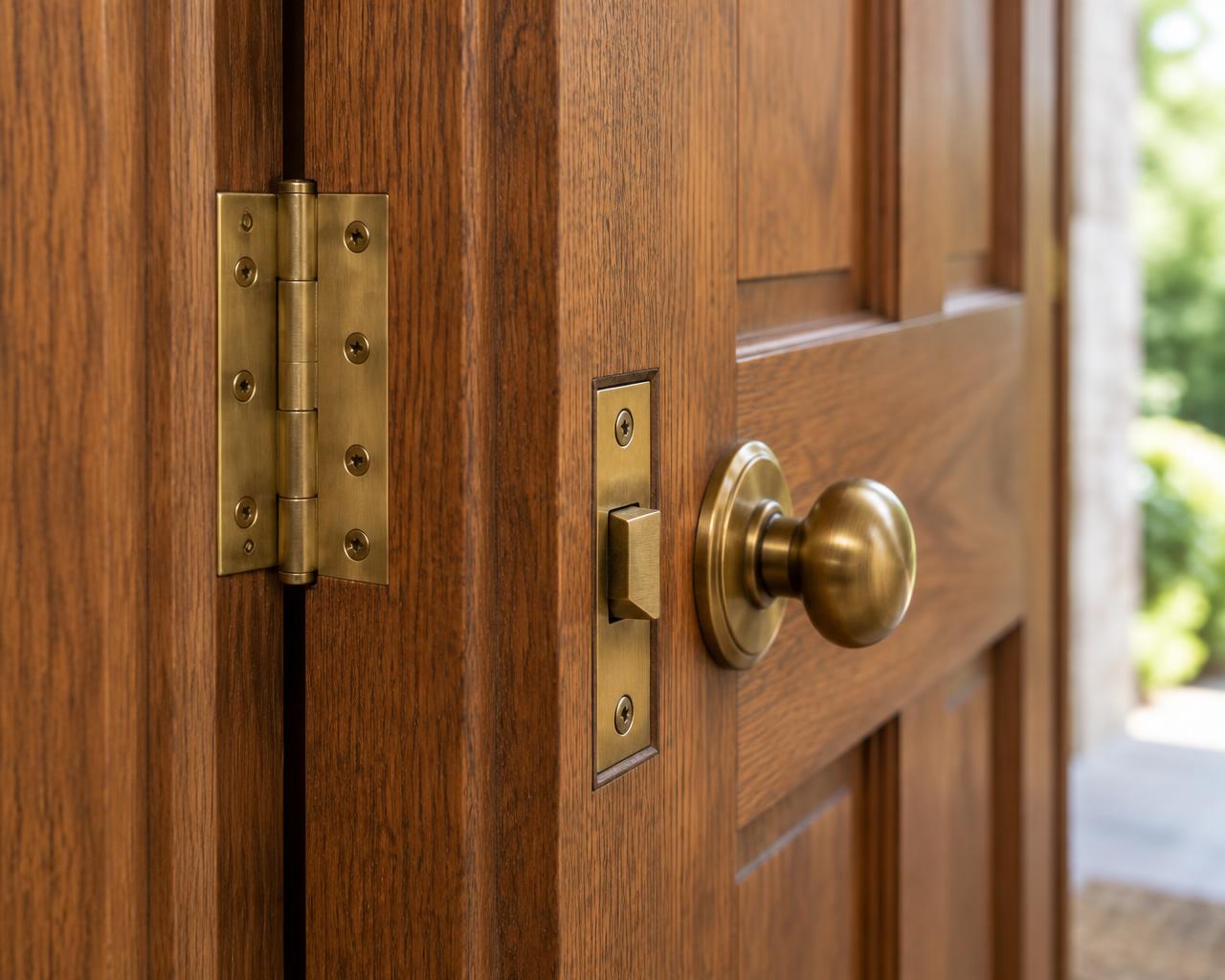
Hoppe is a well-known manufacturer of door handles, lever sets, multi-point locking mechanisms, and hardware trim used on many entry doors, patio doors, and interior doors across Winnipeg homes and some commercial suites. When people search for Hoppe door hardware repair, they are usually dealing with a handle that has gone loose, a latch that no longer catches, a lever that droops or spins freely, or a multi-point lock that will not engage all the lock points along the door edge. This service focuses specifically on diagnosing and repairing the mechanical hardware itself, rather than the door slab or the frame, although in practice the two are closely connected and a technician assessing hardware will also check the door and frame for related issues.
In a typical Winnipeg home, Hoppe-branded or Hoppe-style hardware shows up most often on uPVC and aluminum patio doors, as well as some fibreglass and steel entry doors that use European-style multi-point hardware. These systems differ from a basic single deadbolt setup because they use a gearbox mechanism inside the door edge that, when the handle is lifted or the key is turned, drives hooks, bolts, or rollers into corresponding strike plates in the frame at multiple points along the height of the door. When any part of that chain is worn, misaligned, or broken, the whole door can become hard to lock, hard to open, or in some cases impossible to secure properly.
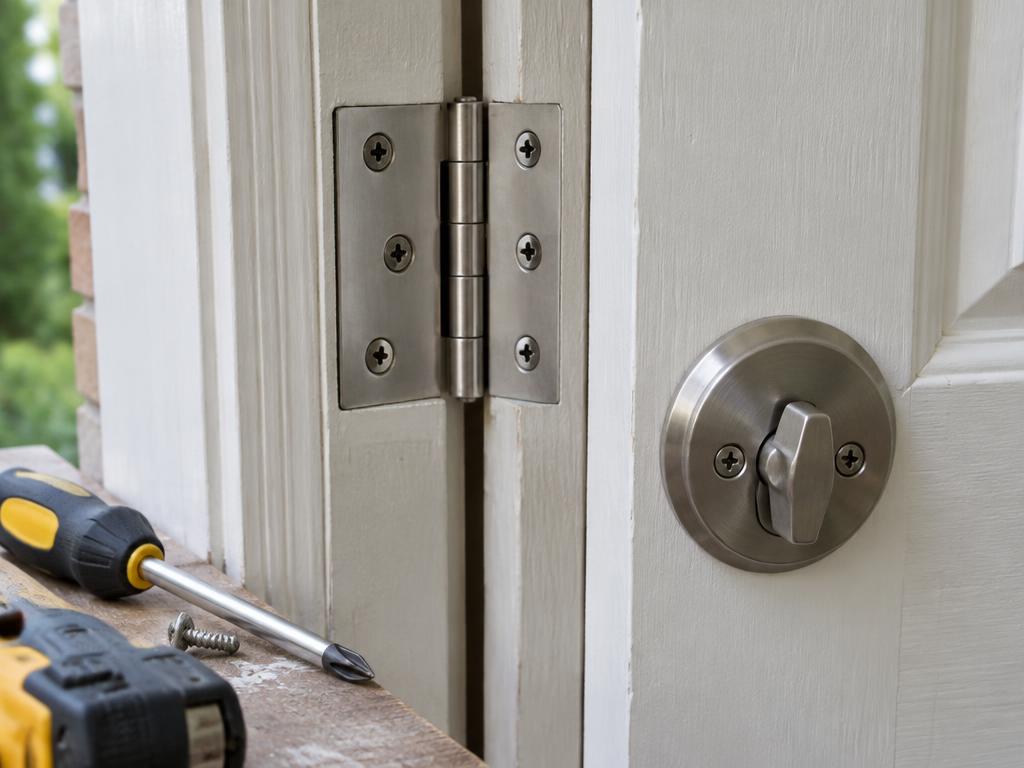
Repair work in this category can include replacing a worn handle set, repairing or replacing the internal gearbox, adjusting strike plates, lubricating and freeing up seized mechanisms, fixing a spindle that has sheared inside the handle, and correcting misalignment between the door and frame that is preventing the multi-point lock from fully engaging. Every case starts with an assessment, since hardware problems that look similar on the surface often have very different root causes.
Why is my door handle loose, stiff, or not latching properly?
A loose handle is one of the most common complaints homeowners bring up, and it usually comes down to one of a few things: the fixing screws behind the handle plate have backed out over time from repeated use, the spindle connecting the two handle halves has worn down or sheared, or the internal gearbox that the handle drives has started to fail. A handle that spins without doing anything is a strong sign that the spindle has either snapped or slipped out of engagement with the gearbox, while a handle that feels gritty, stiff, or requires extra force to lift usually points to a mechanism that needs lubrication or is beginning to wear internally.
Latching problems are slightly different from handle problems, even though they often get reported the same way. If the door will close but the latch does not catch, or the door has to be lifted or slammed to lock, the issue is frequently misalignment between the latch or hook bolts and the strike plates in the frame, rather than the handle hardware itself. This is very common on exterior doors that see seasonal movement, and it is one of the main reasons an in-person assessment matters: fixing the handle will not solve a problem that is actually coming from the frame.
Multi-point locks add another layer of complexity because they rely on several lock points working together. If even one hook or bolt is catching on a misaligned strike, lifting the handle can feel very stiff or simply refuse to go all the way up, which people sometimes mistake for a broken handle when the real problem is a single misaligned strike plate further down the door.
- Handle spins freely without moving the latch
- Handle feels loose or wobbly at the base
- Lifting the handle to lock is unusually stiff or will not go all the way
- Door needs to be lifted, pulled, or slammed to latch
- Key turns but the bolt does not fully extend
How does Winnipeg's climate affect Hoppe hardware and multi-point locks?
Winnipeg's seasonal swings are hard on door hardware, and multi-point systems in particular are sensitive to them because they depend on precise alignment between moving parts and fixed strike plates. During deep winter cold snaps, metal components contract slightly, door frames can shift as the building settles on frozen ground, and any gap that was marginal in the fall can become a real problem by January. Residents frequently notice that a patio door which locked smoothly in September suddenly needs extra effort to lock once temperatures drop well below freezing.
Freeze-thaw cycling is just as significant as the cold itself. As temperatures bounce above and below zero through the shoulder seasons, moisture gets into gaps around the frame, freezes, expands, and then thaws again, gradually working screws loose and shifting frame alignment millimetre by millimetre. Over a few winters this creep can be enough to throw a multi-point lock's hooks out of register with their strikes, even though nothing has dramatically broken.
Dry winter indoor air, caused by forced-air heating running for months at a time, can shrink wood door components and trim, while hot, humid Winnipeg summers can cause the opposite effect, slightly swelling wood and sometimes fibreglass skins. Both directions of movement place stress on the hardware that has to keep working through all of it. Road salt and winter grit tracked in on boots can also find its way into gearboxes and strike plates near entry doors, contributing to grit buildup and accelerated wear inside the mechanism over time. Frost heave affecting a home's foundation can shift an entire frame slightly out of square, which shows up first as hardware that suddenly feels harder to operate even though the hardware itself has not changed.
What happens during a Hoppe hardware assessment and repair?
An assessment for Hoppe or Hoppe-style hardware typically starts with a visual and functional check of the handle, cylinder, and visible strike points, followed by operating the door through a full locking and unlocking cycle to see exactly where the resistance or failure occurs. A technician will usually remove the handle set to inspect the spindle and gearbox connection, check whether the gearbox itself moves freely when operated directly, and examine the strike plates and keeps in the frame for wear, misalignment, or damage.
If the door and frame are square and the issue is isolated to the hardware, repair can often involve replacing just the failed component, such as a handle set, a spindle, or a specific gearbox, rather than the whole assembly. If misalignment is contributing to the problem, the technician will also look at hinge adjustment, strike plate position, and whether the frame itself has shifted, since correcting that movement is often what actually restores smooth multi-point operation.
Because Hoppe hardware spans many generations of handle styles, backset measurements, and gearbox case sizes, matching the correct replacement part is part of the diagnostic work. An assessment helps confirm what is actually needed before any parts are ordered or installed, which avoids guesswork and reduces the chance of installing a component that does not fit the existing door preparation.
Which doors and materials use this type of hardware?
Multi-point hardware systems like those from Hoppe are most commonly found on uPVC patio and entry doors, aluminum-framed patio doors, and increasingly on steel and fibreglass entry door slabs that are manufactured with European-style hardware preparation. Fibreglass doors, which are a composite material designed to resist the warping that can affect solid wood, still rely on correctly fitted multi-point hardware to perform as intended, since even a dimensionally stable door slab can underperform if the hardware is worn or misaligned.
Wood doors can also be fitted with multi-point or heavy-duty handle hardware, though wood's natural tendency to expand and contract with humidity means hardware on wood doors may need more frequent alignment checks. Vinyl-clad and aluminum sliding or hinged patio doors typically rely on track-mounted hardware and separate locking hardware, which behaves somewhat differently from a hinged multi-point door but can share similar handle and gearbox components depending on the manufacturer and age of the unit.
Glass is occasionally part of the picture too, particularly in patio door units with large glazed panels, but any specialist glass replacement or repair sits outside hardware work and is treated separately, with availability depending on confirmed specialist capacity.
Repair or replace: when does it make sense to replace the whole handle set or lock?
In many cases, a worn Hoppe handle set, a failed gearbox, or a damaged strike plate can be replaced individually without touching the rest of the door, which tends to be the simpler and more cost-contained path. This is especially true when the door slab and frame are otherwise in good condition and square, and the hardware failure is a discrete, identifiable component issue like a sheared spindle or a seized gearbox.
Replacement of the full hardware set becomes more worth considering when the existing hardware is an older or discontinued style that is difficult to source matching parts for, when multiple components have failed around the same time suggesting broader wear, or when the homeowner wants to change the handle style or finish anyway. It can also make sense when corrosion from years of winter salt exposure has affected the finish or internal moving parts beyond what cleaning and lubrication can resolve.
If the underlying problem is actually the door or frame rather than the hardware, such as a door that has warped, a frame that has shifted due to settling, or weatherstripping that has compressed and changed how the door sits when closed, then hardware replacement alone will not fully solve the issue. An assessment is the best way to separate a straightforward hardware repair from a situation where the door or frame needs attention first.
What factors affect the cost of Hoppe hardware repair in Winnipeg?
The cost of repairing or replacing Hoppe or similar multi-point door hardware depends on several variables rather than a single flat rate. The nature of the failure matters a great deal: a simple lubrication and realignment job is a very different scope of work from sourcing and fitting a replacement gearbox or an entire handle set. Part availability also plays a role, since some Hoppe components are common stock items while others, particularly older or less common backset and case sizes, may need to be specially sourced.
Access and door type influence cost too. Hardware on a straightforward swing door is generally more straightforward to work on than a sliding patio door system with track-mounted components, and doors on upper floors, in condos with building access requirements, or in locations with limited clearance for tools can add time to the job. Whether the frame is square or needs adjustment alongside the hardware also affects scope, since correcting frame alignment is additional work beyond the hardware itself.
The condition and age of the surrounding door and frame matter as well. A newer door with a single failed part is usually a narrower job than an older unit where corrosion, wear, or previous rough handling has affected multiple components. Because of all these variables, an accurate cost figure really only comes from an assessment of the specific door and hardware in question rather than a general estimate.
What can I safely check myself before calling a professional?
There are a few simple checks a homeowner can do safely before requesting service. Visually inspecting the strike plates in the frame for obvious misalignment, checking whether screws around the handle plate have backed out and simply need re-tightening, and testing whether the door latches properly when lifted slightly while closing can all help describe the problem more precisely. Wiping down visible hardware and applying a small amount of appropriate dry lubricant to a sticking latch or keyway, if the hardware manufacturer's guidance allows it, is generally a low-risk maintenance step.
On the other hand, homeowners should stop and leave the work to a trained technician once a repair involves opening up the gearbox itself, removing hardware embedded deep in the door edge, or any situation where force is being used to try to make a lock engage. Forcing a multi-point mechanism that is resisting can damage hooks, strikes, or the gearbox further, turning a moderate repair into a more involved one. Hardware problems on any door that also controls access to the home, such as a front or back entry door, deserve particular caution, since a poorly executed DIY fix can leave a home less secure rather than more secure.
It is also worth noting that rekeying, lock cylinder changes tied to security concerns, and lockout situations are handled separately from hardware mechanical repair and are not part of this service, so if that is the underlying concern it is worth mentioning clearly when describing the problem.
- Safe to check: visible screws, obvious strike plate misalignment, general cleanliness of the hardware
- Safe to try: light lifting of the door while closing to test latch engagement
- Stop and call a professional: internal gearbox issues, forced or jammed multi-point mechanisms, any damage to the door edge around the hardware
How can I prevent Hoppe hardware problems from coming back?
Regular light maintenance goes a long way toward keeping multi-point hardware working smoothly through Winnipeg's seasonal changes. Periodically checking that handle screws are snug, keeping the keyway and visible latch components clean of grit and road salt residue, and applying appropriate lubricant a couple of times a year, particularly heading into winter, can reduce the chances of a mechanism seizing up or wearing prematurely.
It also helps to pay attention to how a door feels to operate through the seasons. If a multi-point lock starts to feel stiffer than usual, or if the handle starts to feel slightly looser, addressing it early tends to be simpler than waiting until a component fails outright. Because frame movement from frost heave and freeze-thaw cycling is a normal part of owning a home in Winnipeg, periodic alignment checks, especially after a particularly cold winter or a wet spring, can catch small shifts before they turn into hardware damage.
Keeping weatherstripping in good condition also indirectly protects the hardware, since worn weatherstripping can change how a door sits in its frame when closed, putting uneven pressure on the lock points. Addressing drafts or compression issues around the door perimeter is a reasonable complement to hardware maintenance rather than a separate unrelated task.
Do homes, condos, and small businesses need different approaches to hardware repair?
Single-family homes in Winnipeg most often deal with Hoppe-style hardware on patio doors and sometimes front entry doors, where the main considerations are seasonal movement, weather exposure, and general wear from daily use. Repairs in this setting are usually straightforward to schedule and access, since the homeowner controls the property directly.
Condominiums and multi-unit buildings can add a layer of coordination, since exterior door hardware may be considered part of shared building elements depending on the condo corporation's bylaws, and interior unit doors are typically the owner's responsibility. It is worth checking with a condo board or property manager about responsibility and any access requirements, such as building sign-in procedures or scheduling windows, before requesting an assessment.
Small businesses and commercial suites that use Hoppe-style hardware on entry or interior doors often see heavier daily use than a typical home, which can accelerate wear on handles, spindles, and gearboxes. Businesses may also need to consider working around operating hours when scheduling an assessment and repair, since an entry door that is difficult to lock or unlock affects daily operations more directly than it might in a residential setting.
Common questions about Hoppe door hardware repair in Winnipeg
Can a broken handle be fixed without replacing the whole lock mechanism? Often yes, since many handle sets are designed to be removed and replaced independently of the gearbox underneath, though this depends on confirming the gearbox itself is undamaged during assessment.
Is it normal for a patio door to lock differently in summer versus winter? Some seasonal variation in how much effort it takes to lock a door is common because of minor expansion, contraction, and frame movement, but a door that goes from working fine to barely locking at all is worth having assessed rather than assumed to be normal.
Will DoorMend know what Hoppe part I need just from a description? A written description helps, but because hardware styles and backset sizes vary, photos and an in-person or photo-based assessment are generally needed to confirm the exact replacement part required.
Can I replace a Hoppe handle myself with a generic replacement? Compatibility between hardware brands and backset sizes varies, and installing a mismatched part can create new problems, so it is worth having this confirmed before purchasing a replacement.
What if the door is still under a builder's or renovation warranty? Warranty coverage is between the homeowner and the original installer or builder, and reviewing that separately before requesting independent repair work is a reasonable step.
Does this service include rekeying or changing who can access the door? No, rekeying and access-related security changes are handled separately and are not part of mechanical hardware repair.
How do I request a Hoppe hardware repair quote from DoorMend?
Requesting an assessment starts with describing the problem as specifically as possible: which door is affected, what the hardware is doing or not doing, whether the issue is new or has been getting worse over time, and whether it affects locking, latching, opening, or all three. Mentioning the approximate age of the door and hardware, and whether any previous repairs have been attempted, also helps frame the assessment.
Sending clear photos of the handle, the visible strike plates in the frame, and the overall door makes a significant difference in how accurately the hardware can be identified before anyone visits in person. Close-up photos of any visible manufacturer markings on the handle plate or edge of the door can also help confirm whether the hardware is genuinely Hoppe-branded or a similar compatible system.
From there, an assessment determines what repair options are realistic for that specific door and hardware, along with the factors that will affect cost and timing. It is worth keeping in mind that submitting an enquiry describing the problem is a request for an assessment, not a confirmed booking, and that firm next steps follow once the hardware and door have actually been looked at.