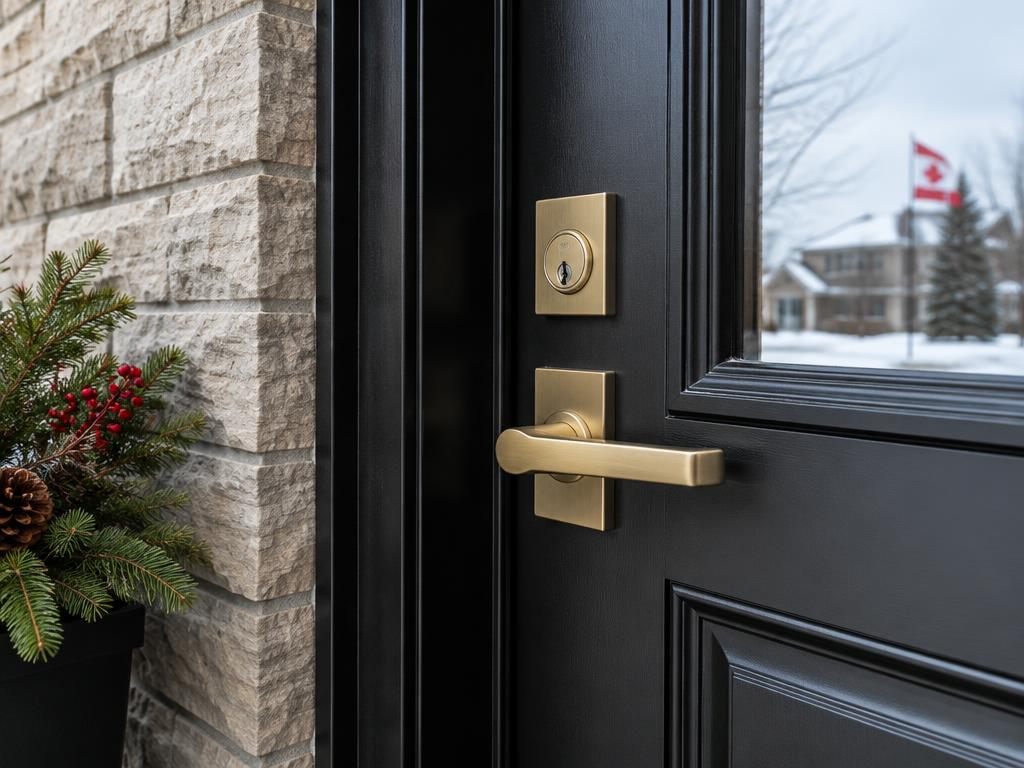
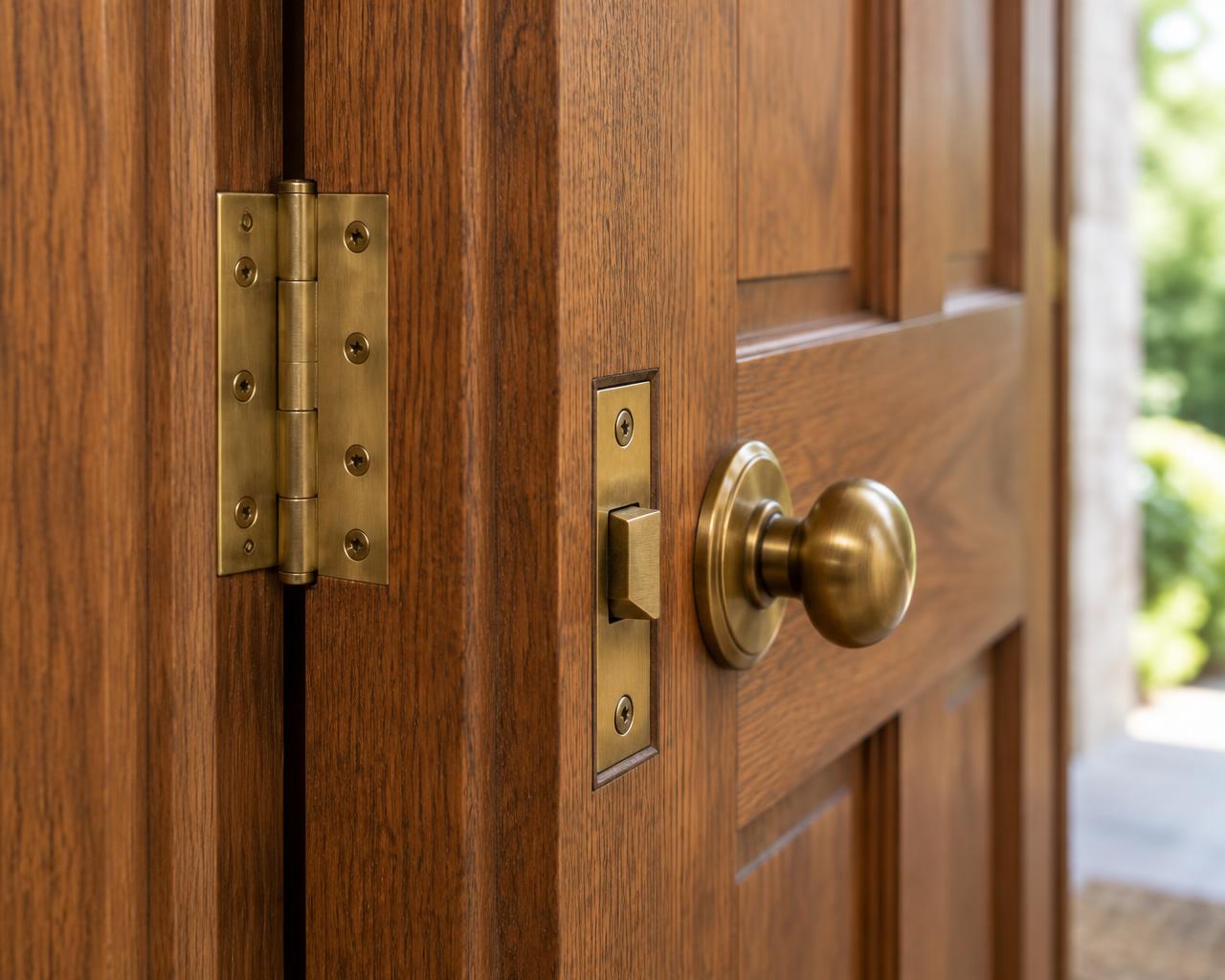
What does door installation and replacement in Winnipeg cover?
Door installation and replacement covers removing an existing door and frame, or installing a new opening, and fitting a new door unit that is properly sized, levelled, insulated, and sealed for Winnipeg's climate. This applies to exterior entry doors, patio doors, interior doors, and commercial entrances, across wood, steel, fibreglass, vinyl, and aluminum materials.
A proper replacement is more involved than swapping a slab: it includes checking the rough opening, confirming the new frame sits plumb and square, fitting insulation around the frame to prevent drafts, and finishing the exterior to shed water. DoorMend assesses the existing opening and the homeowner's or business's goals before recommending a specific door, frame, and installation approach.
- Full door and frame replacement for worn-out or damaged openings
- New door installation into an existing or modified rough opening
- Exterior entry, patio, interior, and commercial door replacement
- Fitting, levelling, insulating, and sealing the new unit
Signs it's time to replace a door rather than repair it
A door is usually a replacement candidate rather than a repair candidate when the damage is widespread or structural rather than isolated. Noticeable drafts around the entire perimeter even with good weatherstripping, visible warping across the door's face, and a frame with rot in multiple spots are common signs the unit has reached the end of its useful life.
Other signs include a door that has been repaired more than once for the same recurring issue, glass units in a door that have fogged between the panes (indicating a failed seal), and doors that no longer match current energy expectations, letting noticeably more cold air through during Winnipeg winters than comparable newer units.
- Persistent drafts despite good weatherstripping
- Visible warping, delamination, or cracking across the door face
- Rot or damage in multiple areas of the frame
- Fogged or failed glass units within the door
- Repeated repairs for the same recurring problem
How does Winnipeg's climate affect door installation choices?
Winnipeg's swings from around -30 °C winters to humid summers put real demands on a door installation. Materials expand and contract with temperature, so a new door needs enough clearance and the right weatherstripping to perform through both extremes without binding in summer or letting drafts through in winter.
Frost heave from Winnipeg's clay soils can affect how a frame settles over the years, which is part of why proper levelling and anchoring at installation time matters: a frame installed slightly out of plumb has less room to tolerate ground movement later. Dry winter indoor air can shrink wood components slightly, so installations that rely on wood shims and jambs account for some seasonal movement rather than fitting everything perfectly tight.
Road salt and winter moisture at entryways also affect material choice and finish; thresholds and sills facing direct weather need materials and seals that hold up to repeated freeze-thaw cycles and salt exposure over many winters.
What happens during a door replacement assessment?
An assessment begins with measuring the existing rough opening and checking it for square, plumb, and level, since an opening that has shifted over the years may need adjustment before a new door can be properly fitted. The surrounding wall framing, sill, and subfloor are checked for rot or moisture damage that could affect the new installation.
The technician also discusses what the homeowner or business wants from the new door: material preference, insulation performance, glass inclusion, security hardware compatibility, and appearance. For exterior doors, the condition of the existing threshold and any water drainage issues at the base of the opening are reviewed, since a poorly draining sill can undermine even a well-installed new door over time.
Based on this, the assessment outlines whether the existing frame can be reused with a new door slab, whether a full frame replacement is needed, or whether the rough opening itself needs modification.
- Measuring and checking the rough opening for square and plumb
- Inspecting surrounding framing, sill, and subfloor for damage
- Reviewing material, insulation, glass, and hardware preferences
- Checking drainage and threshold condition at exterior openings
What does the installation process typically involve?
Installation begins with removing the old door and, if needed, the old frame, taking care not to damage the surrounding wall or trim. The rough opening is then checked again and adjusted if it's out of square, since the new frame depends on an accurate opening to sit correctly.
The new frame is set into the opening, levelled, plumbed, and shimmed at multiple points before being permanently fastened. Insulation is placed in the gap between the frame and the rough opening to reduce drafts and prevent condensation inside the wall cavity, a step that matters a great deal in Winnipeg's cold winters.
The door slab is hung on the hinges, and hardware such as locks, handles, and closers is fitted and tested. Exterior installations include sealing the perimeter with appropriate caulking and flashing to direct water away from the opening, and interior or exterior trim is reinstalled or replaced to finish the job. The door is tested through its full range of motion to confirm it closes, latches, and seals properly before the job is considered complete.
Choosing between wood, steel, fibreglass, vinyl, and aluminum doors
Wood doors offer a traditional appearance and can be refinished over time, but they require more maintenance against Winnipeg's humidity swings and are more prone to warping if not properly sealed and maintained. Steel doors are strong and commonly used for exterior entries and commercial applications, resisting warping well, though dents and scratches can expose the core if the finish is damaged.
Fibreglass doors, a composite material rather than glass, are popular for Winnipeg exteriors because they resist warping and rot while offering a wood-grain appearance with lower long-term maintenance. Vinyl is most common for patio door frames and some window-adjacent assemblies, standing up well to moisture without rotting, though it can become more brittle in extreme cold.
Aluminum is often used in commercial storefront and entrance systems for its durability and slim sightlines, though it conducts cold more readily than other materials unless designed with a thermal break. Choosing between these materials comes down to the opening's exposure, maintenance preferences, and whether it's a residential or commercial setting, which an assessment can help clarify.
What affects the cost of door installation or replacement?
Cost depends on several factors that vary from one project to the next rather than a single fixed rate. The type and material of the door is a major factor, since solid wood, insulated steel, and fibreglass units differ in price and installation complexity. Whether the existing frame can be reused or needs full replacement also affects the scope of work significantly.
Additional factors include whether the rough opening needs structural adjustment, the complexity of trim and finishing work required to match existing interior or exterior finishes, the hardware selected, and whether the opening includes sidelights, transoms, or glass inserts. Access to the opening and the condition of the surrounding wall can also influence the time required. DoorMend provides cost information after reviewing the specific opening and the homeowner's or business's goals, rather than quoting a price without an assessment.
- Door material and construction type
- Whether the existing frame is reused or replaced
- Condition of the rough opening and surrounding wall
- Trim, hardware, and finishing requirements
- Presence of sidelights, transoms, or glass inserts
What can I check myself, and when should I call a professional?
You can reasonably assess visible wear on your own: looking for drafts around the door's edges, checking whether the door still closes and latches smoothly, and noting any visible warping, rot, or damage to the frame. Taking note of how old the door is and whether it has been repaired before is also useful information to have ready.
Measuring the rough opening, removing an existing exterior door, or evaluating whether surrounding framing is structurally sound are tasks better left to a professional, since mistakes here can affect how well a new door performs for years afterward. Installations involving structural changes to the opening, exterior waterproofing and flashing work, or commercial storefront systems should always be handled by a trained technician rather than attempted as a do-it-yourself project.
- Safe to check: visible drafts, warping, rot, or damage; how the door currently closes and latches
- Safe to note: the door's approximate age and repair history
- Stop and call a professional: measuring and modifying rough openings
- Stop and call a professional: removing exterior doors or structural framing changes
- Stop and call a professional: exterior waterproofing, flashing, and commercial systems
Maintenance tips after a new door is installed
A newly installed door still benefits from seasonal attention to keep performing well through Winnipeg's climate. Checking weatherstripping each fall before cold weather sets in, and confirming hinges and hardware stay properly adjusted, helps a new installation keep sealing and operating as intended.
Keeping the exterior caulking and flashing around the frame in good condition prevents water from working behind the frame over successive freeze-thaw cycles, and clearing snow and ice buildup from thresholds reduces strain on the door and hardware during winter months. For doors with glass inserts, periodically checking that the seal between panes hasn't failed helps catch condensation issues early.
- Check weatherstripping each fall before winter
- Keep hinges and hardware adjusted and lubricated as needed
- Maintain exterior caulking and flashing around the frame
- Clear snow and ice from thresholds regularly
- Watch for condensation between glass panes as an early sign of seal failure
Homes, condos, and businesses: how does door replacement differ?
Residential door replacement usually focuses on a single entry, patio, or interior door, with choices driven by appearance, insulation performance, and budget. Condo and apartment buildings often need to coordinate exterior door replacements with building management, since common-area entrances and unit doors may need to match building standards or fire-rating requirements for the building.
Commercial and business installations frequently involve higher door traffic, accessibility considerations, and sometimes specialized hardware such as panic bars or access control systems. Automatic or powered commercial doors, and specialist glass installations, depend on confirmed specialist capacity, so availability for these specific scopes is discussed as part of the assessment rather than guaranteed upfront.
Frequently asked questions about door installation and replacement
How long does a typical door replacement take? Timing depends on the scope of work, including whether the frame is being reused and whether trim or structural adjustments are needed; an assessment gives a clearer sense of the expected timeline for a specific opening.
Can I replace just the door slab and keep the existing frame? Sometimes, if the frame is still square, plumb, and in good condition. An assessment determines whether the existing frame is suitable or whether a full frame replacement is a better long-term choice.
Does a new door need a building permit in Winnipeg? Permit requirements can depend on the scope of the work and whether structural changes are involved; this is worth confirming with the relevant municipal authority as part of your planning.
Will a new door really make a difference to drafts and heating costs? A properly installed, well-sealed door can reduce drafts noticeably compared to an older, worn unit, though actual performance depends on the specific door, installation quality, and the condition of the surrounding wall.
Can DoorMend install automatic or powered doors? Availability for automatic, powered, or specialist glass installations depends on confirmed specialist capacity, which is addressed during the assessment process.
What if my door opening is an unusual size? Non-standard openings can often be accommodated with a custom or adjusted unit, but this adds to the assessment and selection process, since standard stock doors may not fit without modification.
How to request a door installation or replacement quote from DoorMend
If you're considering replacing a door in your Winnipeg home or business, the first step is describing the current door and what's prompting the change, whether that's drafts, visible damage, appearance, or wanting a different material or style. Mentioning the door's approximate age and location (exterior entry, patio, interior, or commercial entrance) helps build a clearer picture.
Sending photos of the existing door, frame, and surrounding area allows for a more informed initial look at the opening, including its current condition and any visible issues with the frame or trim.
From there, an assessment reviews the rough opening, discusses material and feature options, and determines what the installation will actually involve, whether that's a straightforward door swap or a more involved frame and opening update. Submitting an enquiry is not the same as booking a service appointment; it's the starting point for figuring out the right door and installation approach for your specific opening in Winnipeg, Manitoba.